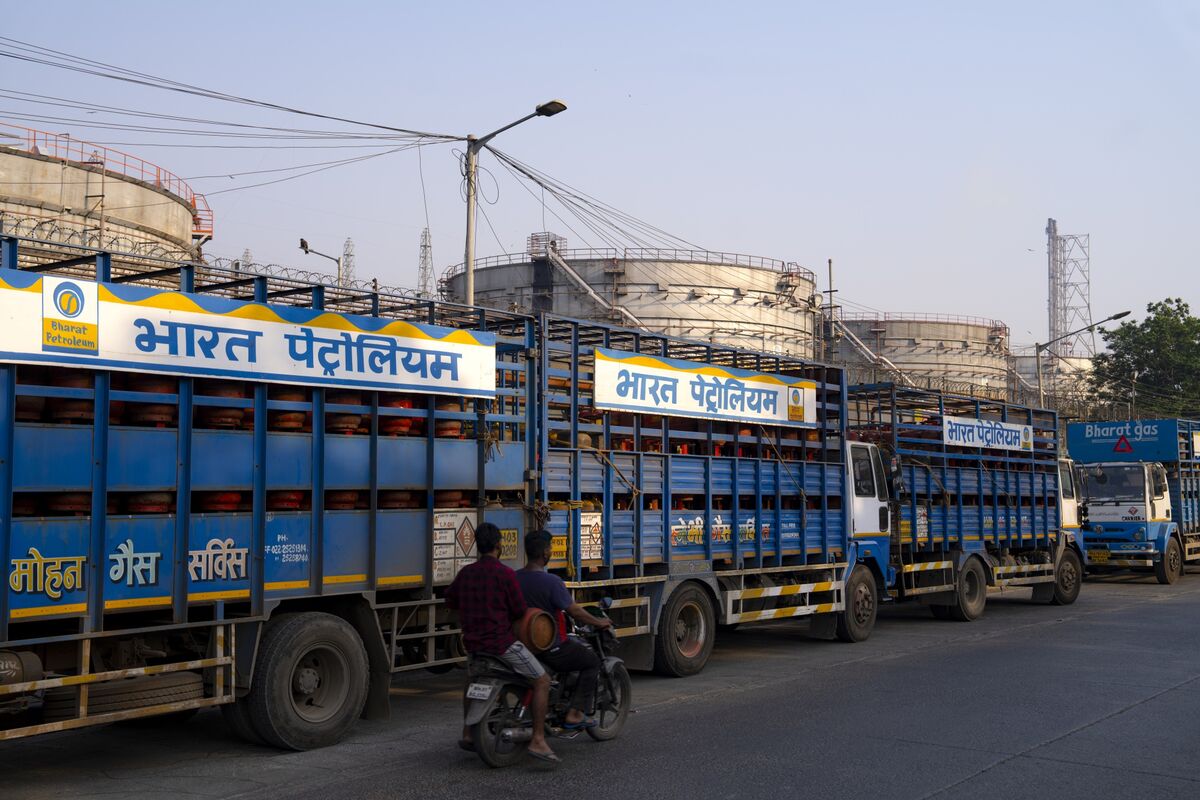
More than 250 government policy responses have been tracked since the Iran war began on Feb. 28, as traffic through the Strait of Hormuz remains largely choked off. The disruption is described as the largest supply shock in the history of the global oil market, with economic infrastructure damage expected to take years to recover. The fallout is broad-based and likely to keep pressure on energy, shipping, and trade flows.
The first-order read is obvious: higher energy and transport friction. The second-order trade is that policy responses are now compounding the shock rather than cushioning it — subsidies, export controls, and rationing behaviors tend to lock in regional price dispersion, which widens spreads in freight, refined products, and industrial inputs even if headline crude eventually stabilizes. That favors assets with contractual pricing power and domestic logistics optionality, while punishing firms dependent on just-in-time imported feedstock or cross-border routing through chokepoints.
A less obvious winner set is upstream and midstream infrastructure outside the most exposed corridor: North American producers, storage, pipeline, and marine transport names can benefit from both volume rerouting and inventory hoarding. The losers are not just airlines and shippers; it is also chemical, fertilizer, and metal processors that face a double hit from higher energy and intermittent import controls, which can compress margins for multiple quarters even if end-demand stays intact. Expect supply-chain bullwhip effects to show up first in spot freight, then in working capital stress for smaller distributors.
The market may be underpricing duration. A six-week disruption with visible infrastructure damage implies this is no longer a mean-reversion event but a multi-quarter reconfiguration of trade flows, which usually keeps volatility elevated and caps valuation multiples for cyclical importers. The main reversal catalyst is not a military ceasefire alone but a verified reopening of maritime lanes plus a rollback of emergency trade measures; absent that, pricing pressure can persist even if the front-end news flow improves.
Contrarian risk: if energy equities have already re-rated on the headline shock, the better asymmetry may be in relative shorts rather than outright commodity longs. The most crowded move is long oil; the less crowded move is short consumer/discretionary and transport baskets versus long energy/logistics, because margin compression and inventory losses can show up faster than the next leg in crude. The other contrarian angle is that extreme policy fragmentation can create winners in domestic substitution and nearshoring enablers sooner than consensus expects.
AI-powered research, real-time alerts, and portfolio analytics for institutional investors.
Request DemoOverall Sentiment
strongly negative
Sentiment Score
-0.65
