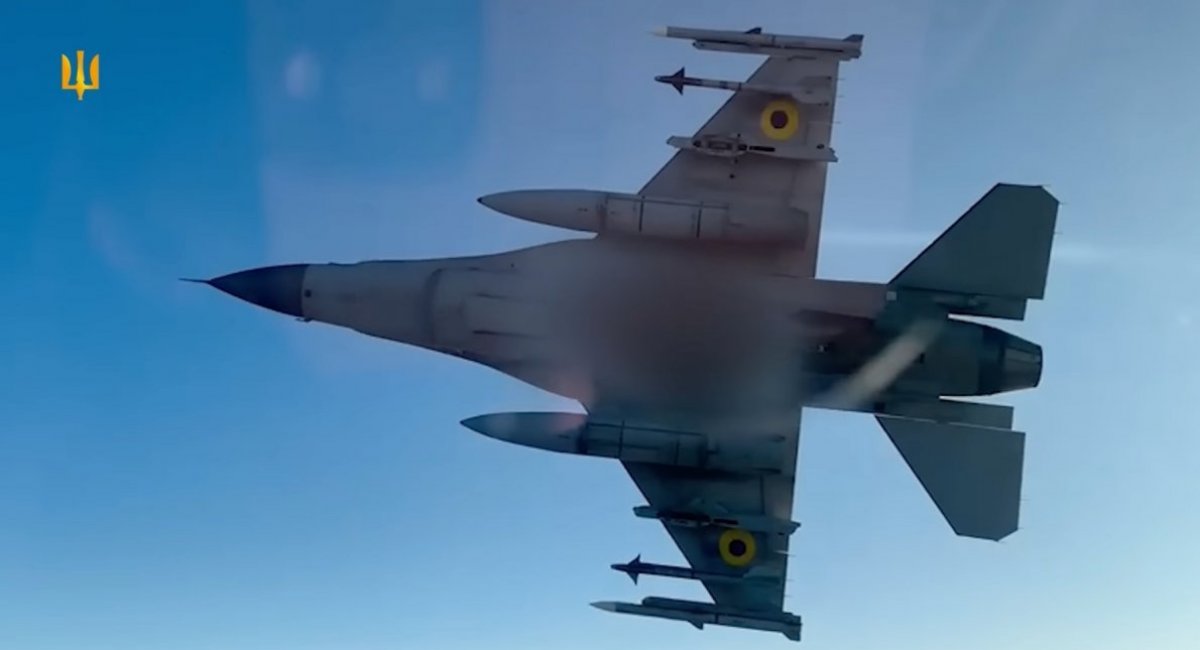
Ukraine is deepening cooperation with Germany's Diehl Defence to expand IRIS-T missile supplies, integrate air-defense solutions for future F-16s, and develop radar and counter-ballistic capabilities. The initiative aims to strengthen interception of cruise and ballistic missiles amid ongoing Russian strikes. While strategically important for defense contractors and the broader European security backdrop, the article contains no direct financial figures or immediate market-moving event.
The market implication is less about a one-off procurement story and more about a multi-quarter re-rating of the European air-defense supply chain. The bottleneck is now clearly munitions throughput, not platform demand, which favors firms with missile inventories, seeker components, radars, and test/qualification capacity over legacy prime contractors that rely on long qualification cycles. That shifts economic value toward the “picks and shovels” layer of defense: sensors, electronic warfare, datalinks, and propulsion suppliers that can scale faster than airframe programs.
Second-order, this strengthens the case for integrated air-defense architectures across NATO, because every demonstrated interception raises the political willingness to fund layered defenses rather than single-point systems. The beneficiary set expands to European electronics and missile-industrial capacity, while the losers are any air-defense vendors with long lead times, low domestic production flexibility, or weak replenishment visibility. A meaningful byproduct is inventory scarcity: if missile consumption remains elevated through the next 2-3 quarters, suppliers with existing European backlogs can gain pricing power and backlog duration, while customers face increasing urgency to prepay or multi-source.
The contrarian angle is that the positive read may be overdone if investors assume an immediate volume step-up. Combat demand can be lumpy, but production ramp is constrained by testing, explosives, and propulsion bottlenecks, so revenue recognition likely lags headlines by 2-4 quarters. The bigger catalyst is not a single contract announcement but a sequence of replenishment orders, export approvals, and follow-on radar/networking awards; failure to see those within one quarter would likely unwind enthusiasm quickly.
Tail risk is political: a pause in Western funding or a shift toward ceasefire diplomacy would compress the urgency premium in the defense supply chain. Conversely, any evidence that ballistic-defense systems are being fielded successfully would expand the addressable market materially, because it legitimizes higher-budget procurement across Europe and accelerates layered-defense spending for years, not months.
AI-powered research, real-time alerts, and portfolio analytics for institutional investors.
Request TrialOverall Sentiment
mildly positive
Sentiment Score
0.25
