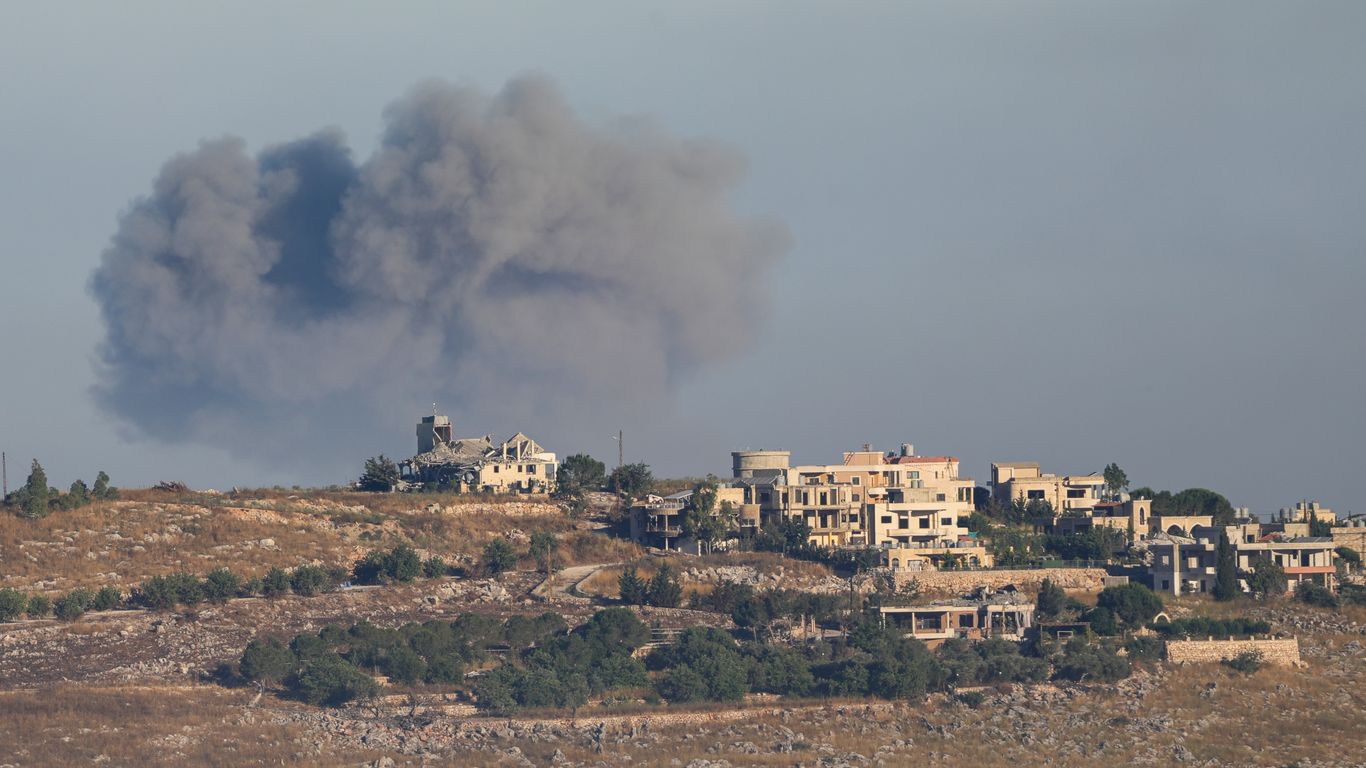
Iran announced it would close the Strait of Hormuz, a critical chokepoint through which 55 merchant ships and more than 17 million barrels of oil transited on Saturday, though U.S. officials said no physical closure was yet visible. The threat raises immediate geopolitical risk for global energy supplies and shipping flows as U.S.-Iran nuclear talks are set to begin in Switzerland. If enforced, the move could disrupt a major share of seaborne oil trade and trigger a sharp risk-off response across markets.
The market should treat this as a volatility event first and an oil-supply event second. Even without an actual physical chokepoint closure, the premium for insurance, rerouting, and military escort can reprice quickly because the marginal buyer of prompt cargoes becomes much more sensitive to delivery risk than to headline supply. That means the first-order move is usually in front-month energy and freight derivatives, while the second-order winners are refiners, gas-heavy utilities, and any business with inventory optionality versus just-in-time exposure.
The key dynamic is asymmetry: Iran does not need to fully shut the lane to raise the cost of clearing it. A few days of credible disruption can trigger precautionary stockpiling by Asian importers, bid up VLCC and LNG freight, and temporarily tighten refined product balances even if physical barrels still flow. That creates a short window where downstream margin compression can lag the crude spike by one to three weeks, which is often where the best relative-value trades live.
The biggest risk to chasing the move is diplomatic reversal. Because negotiations are already in motion, the market may quickly reprice the event as a bargaining tactic rather than a durable supply shock if there is no actual interdiction. In that case, implied volatility in energy and defense names should decay faster than spot prices, making options structures preferable to outright directional equity exposure.
Contrarian view: the consensus will likely overestimate the probability of a sustained closure and underestimate the probability of a fast de-escalation once the parties extract concessions. The more durable trade is not ‘higher oil forever’ but ‘higher near-term transport and insurance costs with limited long-run supply damage.’ If the announcement is a bluff, energy beta may give back most of the gap, but shipping, insurance, and defense order books can still benefit from a persistent geopolitical risk premium.
AI-powered research, real-time alerts, and portfolio analytics for institutional investors.
Request DemoOverall Sentiment
strongly negative
Sentiment Score
-0.70
