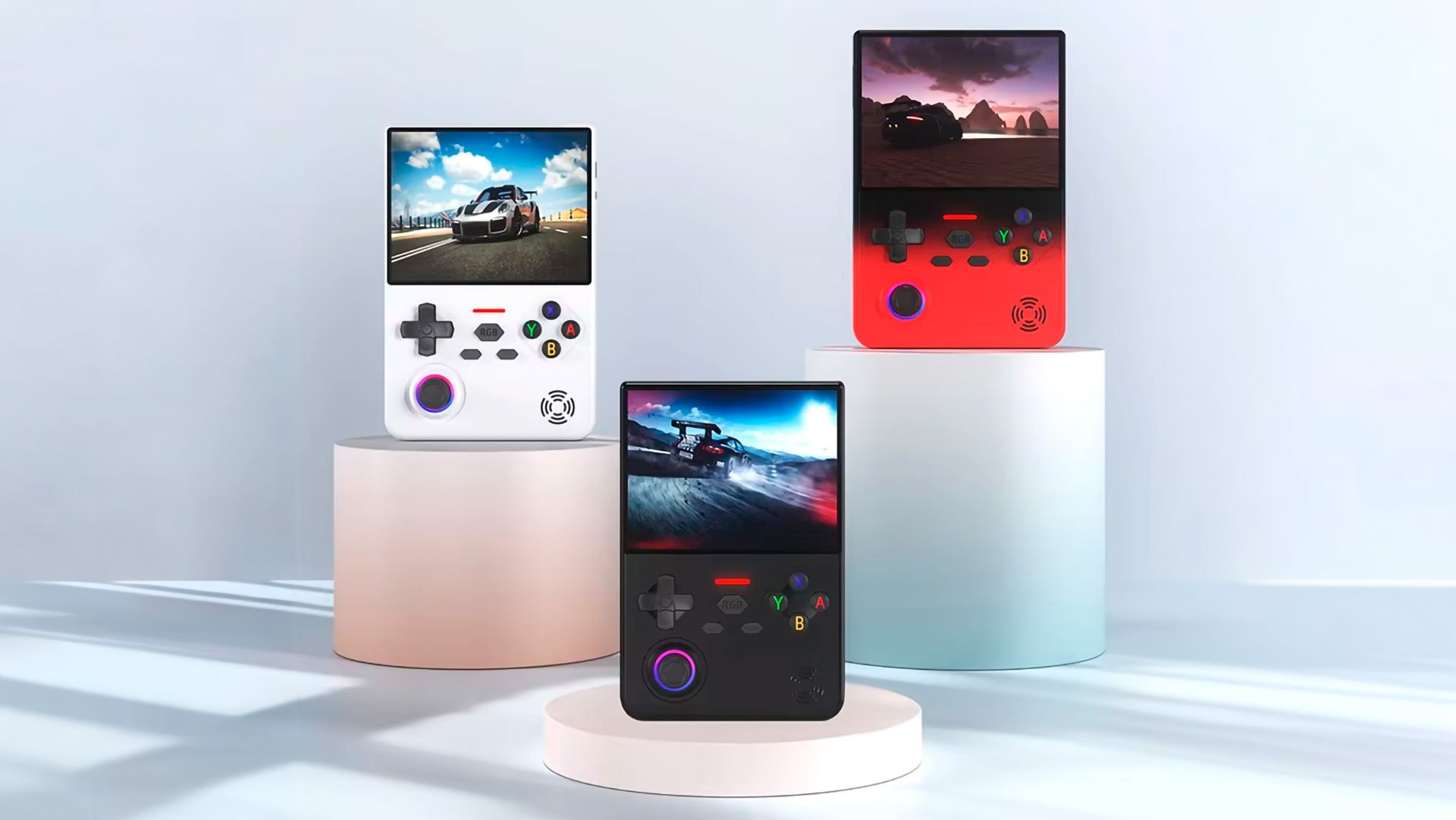
Lenovo’s China-only G02 retro handheld reportedly ships with thousands of copyrighted games, including Nintendo ROMs, creating potential IP and legal exposure for the company. Lenovo says the device is a regional white-labeled product outside its global portfolio, but the unlicensed-content issue could prompt damage control or import restrictions. The story is likely a reputational and legal concern rather than a major market-moving event.
The marketable risk here is not the existence of a low-end retro device; it is brand contamination from a licensing chain that appears weakly controlled. If Lenovo’s mark is on a product associated with clear IP leakage, the economic damage is less about direct legal liability in China and more about export-channel reputational spillover: retail partners, app ecosystems, and enterprise buyers tend to penalize brands that look sloppy with governance. That kind of trust discount usually shows up first in consumer hardware multiples, not immediately in revenue.
Second-order, this is a supply-chain quality-control story disguised as a piracy story. The most probable failure mode is not a formal Lenovo decision but a contract manufacturer optimizing for sell-through by adding content that increases perceived value; that implies Lenovo may be paying for weak audit rights, which matters across its broader outsourced hardware portfolio. If true, the same governance gap can surface in driver support, localization, warranty handling, and channel conflict—issues that compress margins over the next 2-4 quarters more reliably than a one-off headline.
For Nintendo, the economic impact is likely limited, but the enforcement signal matters. The company rarely needs to win on damages; it wins by making counterparties fear import disruption, delisting, or payment friction, which can deter smaller OEMs more than a household-name brand. The broader loser set is the gray-market handheld ecosystem: any credible enforcement action could raise the cost of ROM-stuffed devices, forcing a shift toward cleaner software bundles and reducing the “free content” subsidy that underpins a lot of demand.
Contrarian view: this may be over-read as a Lenovo-specific governance failure when it is really an endemic China-market white-label issue. If the incident stays confined to an obscure domestic SKU, the equity impact should fade within days, and the trade becomes one of attention decay rather than fundamental damage. The real catalyst is whether Lenovo publicly distances itself or quietly recalls units; absence of action in the next 1-2 weeks would argue the market should fade the headline risk.
AI-powered research, real-time alerts, and portfolio analytics for institutional investors.
Request DemoOverall Sentiment
moderately negative
Sentiment Score
-0.35
