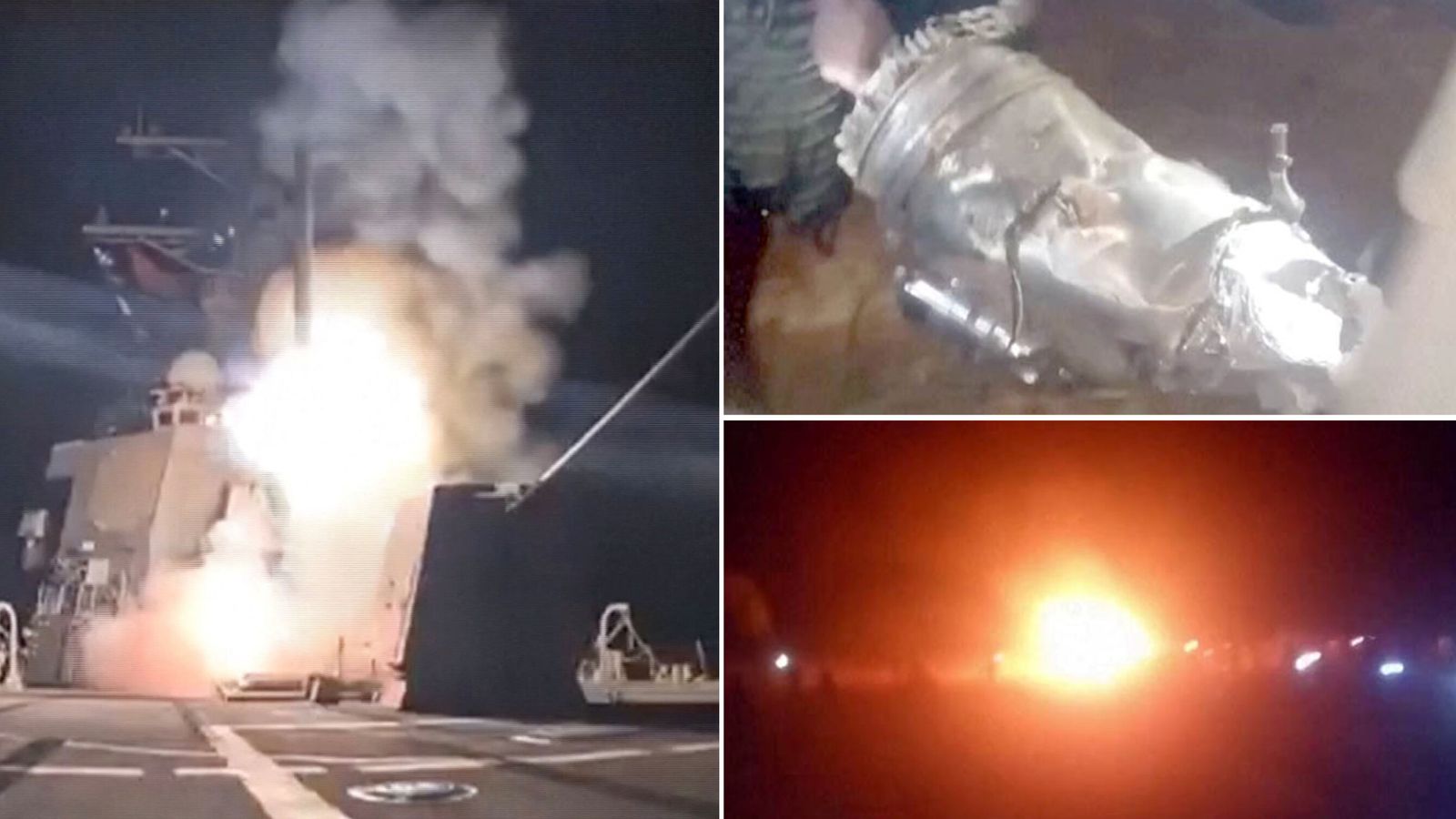
The US conducted airstrikes in Sokoto state in northwestern Nigeria targeting militants the US says are affiliated with Islamic State (likely the Lakurawa group), with Abuja's cooperation. Senior US figures and President Trump framed the operation as a response to attacks on Christians, while analysts note Nigeria's security crisis affects both Christian and Muslim communities; the strikes increase geopolitical and security risk in the region. For investors, the event raises localized sovereign and operational risk for Nigerian and West African assets and could trigger short-term risk-off sentiment, though immediate broad market effects are likely limited.
Market structure: Short, localized US strikes increase near-term demand signals for ISR, munitions and contractor services while raising risk premia on Nigeria and frontier EM assets. Direct beneficiaries: large defense primes (LMT, NOC, RTX) and listed ISR/drones suppliers; losers: Nigerian sovereign bonds, NGN FX and frontier EM ETFs (EEM/VWO/EMB) which should reprice risk by +30–150bps in CDS terms if strikes continue.
Risk assessment: Tail risks include wider regional escalation (Sahel spillover, attacks on maritime routes) that could remove 0.2–0.5mbpd of Nigerian oil or push Nigeria 5y CDS >500bps within 3–6 months. Immediate (days) volatility will hit NGN and EMB, short-term (weeks–months) EM equity/debt underperformance by 3–8%, and long-term (12–24 months) potential reorientation of Nigeria’s defense partnerships that could mute Western contractor upside.
Trade implications: Implement defined-risk exposure to defense names and defined-protection of EM exposures: prefer 3-month call spreads on LMT/NOC sized 1–3% portfolio vs buying puts on EMB or buying Nigeria-CDS equivalent to cover 0.5–1% EM weight. Expect cross-asset flows into USD/Treasuries and intermittent Brent upside (1–4%) if maritime risk rises.
Contrarian angles: Consensus may overreact to a single raid (overpricing frontier risk) while underpricing persistent ISR demand that supports multi-quarter defense revenue upgrades (+1–3% top-line annually). Historical parallels (US strikes vs ISIS 2014–16) show sharp initial market moves then mean reversion; size positions modestly and hedge for the low-probability regional escalation.
AI-powered research, real-time alerts, and portfolio analytics for institutional investors.
Request DemoOverall Sentiment
moderately negative
Sentiment Score
-0.35
