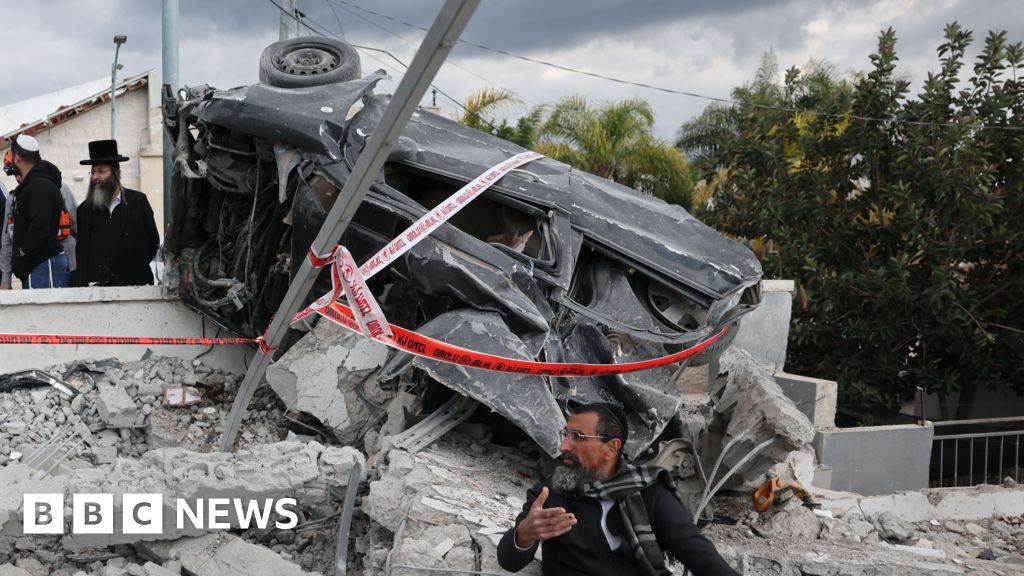
Iran launched large-scale missile and drone strikes across the Gulf after the killing of its supreme leader, with Qatar reporting 65 missiles and 12 drones launched; the Israel Defense Forces say direct fire toward Beit Shemesh killed at least nine people and injured 27, and strikes or falling debris have caused casualties in Abu Dhabi and Kuwait. The assault has damaged major infrastructure — Dubai and Abu Dhabi airports, Bahrain airport, Jebel Ali port, a Fairmont hotel and reportedly the U.S. Fifth Fleet area in Manama — and grounded thousands of flights, creating immediate travel disruption and heightened regional risk with likely near-term impacts on logistics, insurance costs, and risk-off flows into safe-haven assets.
Market structure: Immediate winners are defense primes (LMT, NOC, RTX) and energy majors (XOM, CVX) via higher defense spend and oil risk premia; losers are travel & logistics (JETS ETF, AAL, UAL, DXB/AUH-linked airport services, UPS, FDX) from grounded flights and port damage. Expect freight reroutes to lift container rates 5–15% and short-term capacity dislocation in Gulf-linked lanes; equity volatility and risk premia will rise 20–60% in affected sectors.
Risk assessment: Tail risks include closure of the Strait of Hormuz or expanded US–Iran naval engagement (Brent >$120/bbl, global shipping insurance spikes 200%+), or wider regional insurgency affecting global financial plumbing. Time horizons: days = travel disruption and volatility spikes; weeks = supply-chain backlogs and rerouting costs; months–years = heavier defense budgets and potential onshoring of critical supply chains. Hidden dependencies: war-risk insurance, EM FX/sovereign CDS, and Gulf hub airport revenues amplify second-order shocks.
Trade implications: Favor 2–3% tactical long in defense equities split LMT/NOC (target +15–25% over 6–12 months, stop -10%), paired with 1–2% short in JETS ETF (target -15–25% in 1–3 months). Use options: buy 3–6 month call spreads on LMT/RTX (size 0.5–1% each) and buy 1–3 month puts on JETS/AAL for downside protection. Add 1–2% GLD as tail-hedge and size energy longs (XOM/CVX 2%) on Brent >$95/bbl trigger.
Contrarian angles: Consensus may over-rotate into pure defense longs; rapid diplomatic de-escalation could erase 10–20% of gains — prefer spreads to outright longs. Airline dislocations can mean‑revert in 2–6 weeks once insurance/route fixes occur, so short-duration puts or outright shorts are higher risk. Historical parallels (Gulf flare-ups 2019–2020) show large intraday moves then partial reversion; treat positions as event-driven with strict time-based exits.
AI-powered research, real-time alerts, and portfolio analytics for institutional investors.
Request TrialOverall Sentiment
strongly negative
Sentiment Score
-0.75
