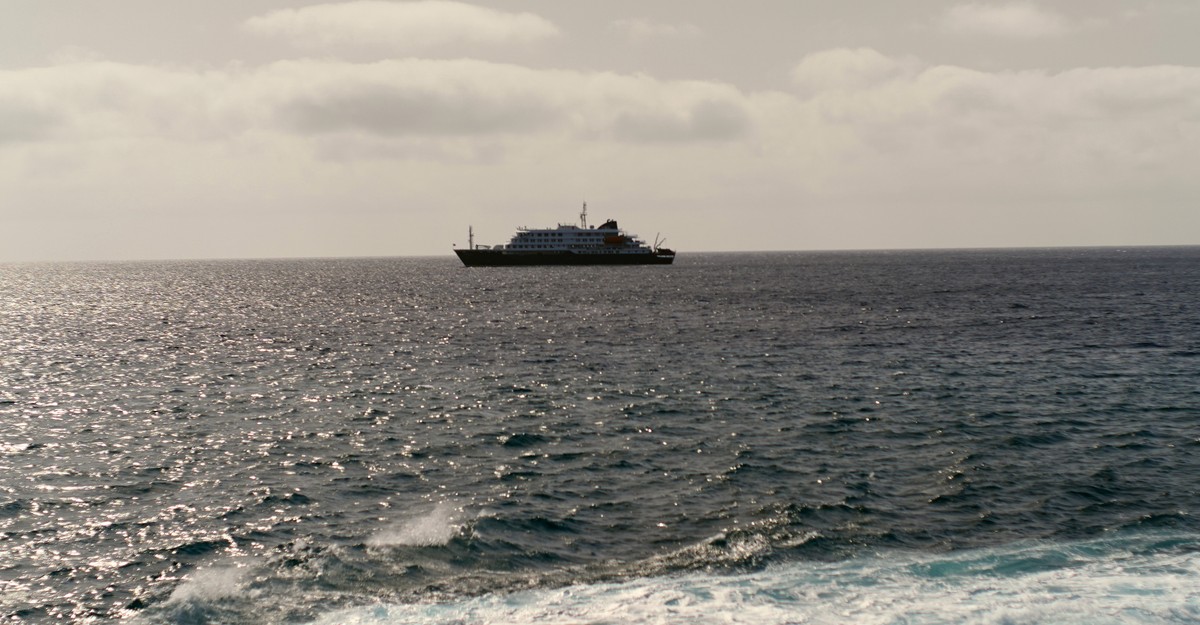
A suspected hantavirus outbreak aboard the MV Hondius has left 3 dead and 4 ill among roughly 150 passengers and crew, with 2 cases laboratory-confirmed and more evacuations planned. The ship is anchored off Cabo Verde while health officials assess whether spread is rodent-borne, human-to-human, or both; Spain has agreed to receive the vessel in the Canary Islands. The incident highlights heightened infectious-disease risk for cruise operators and travel/leisure names, though the broader market impact is likely sector-specific rather than systemic.
This is a low-probability, high-salience shock for travel, but the market impact should be asymmetric: cruise operators face the most immediate headline risk, while broader leisure travel is likely to absorb only a modest, transient demand hit unless there is confirmed onboard human-to-human transmission. The key second-order issue is not one ship, but whether this becomes a template for “biosecurity premium” pricing across the sector—higher operating costs, longer turnaround times, and stricter pre-boarding screening will pressure margins even if booking volumes recover quickly.
The real catalyst is confirmation quality. If sequencing supports a rodent-only exposure, the event fades into a one-off operational incident within days; if the case cluster implies person-to-person spread, the reaction window expands into weeks and could trigger elevated cancellation rates for long-duration itineraries, particularly in South Atlantic and repositioning voyages. That scenario would also hit port services, shore excursion vendors, and insurers before it materially affects airlines, because cruise customers are unusually sensitive to confinement risk rather than destination demand.
Healthcare is a more nuanced beneficiary than the headline suggests. There is likely minimal direct read-through to large-cap pharma, but diagnostics, hospital isolation protocols, telemedicine triage, and infectious-disease tooling all get a small sentiment tailwind as operators and governments prepare for containment. The contrarian view is that the market may over-discount cruise names on vivid headlines: unless multiple ships or ports are implicated, the earnings damage should be limited to a few weeks of booking noise and some incremental compliance expense rather than a durable demand destruction cycle.
AI-powered research, real-time alerts, and portfolio analytics for institutional investors.
Request DemoOverall Sentiment
strongly negative
Sentiment Score
-0.70
