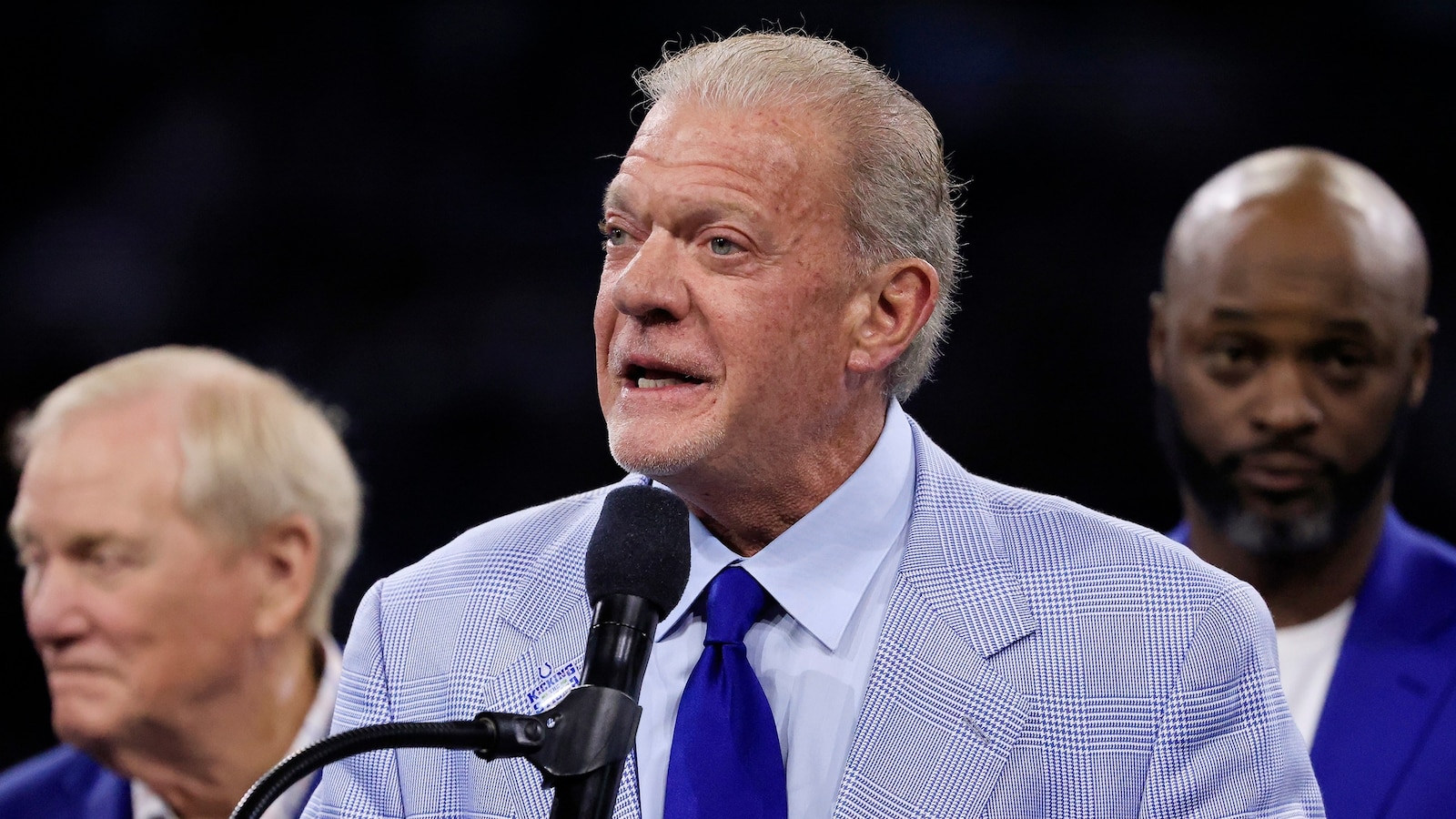
Federal authorities (FBI and DEA) are investigating the May death of Indianapolis Colts owner Jim Irsay at the Beverly Hills Hotel and the California addiction specialist who treated him, after a death certificate signed by Dr. Harry Haroutunian listed cardiac arrest due to pneumonia and noted no autopsy. Irsay, a billionaire who publicly battled addiction, was treated with opioids and ketamine — a treatment modality recently tied to federal prosecutions in the Matthew Perry case — and the probe is in early stages with the Colts stating they have not been contacted or served with subpoenas. The development introduces potential legal and governance risk for the franchise and could prompt further scrutiny of prescribing practitioners, though immediate market impact appears limited.
Market structure: The immediate winners are large, regulated behavioral-health and hospital operators (e.g., ACHC, UHS) and incumbent pharma with approved NMDA agents (JNJ) that can benefit if regulators push patients toward licensed providers; small ketamine clinics and early-stage psychedelic biotechs (MNMD, CMPS, ATAI) are direct losers as perceived regulatory risk could re-rate them by 10–30% over 1–6 months. Competitive dynamics shift toward consolidated, compliance-heavy players — pricing power for licensed providers could improve if informal clinics are shuttered while reimbursement and credentialing barriers rise.
Risk assessment: Tail risks include criminal indictments of treating physicians or mass civil suits that create liability pools for insurers and force rapid clinic closures; probability low (<10%) but impact high (multi-quarter revenue hit to small providers). Immediate (days) volatility will be news-driven; short-term (1–3 months) regulatory inquiries and state medical-board actions are the primary catalysts; long-term (6–24 months) is potential FDA/DEA guidance that would structurally favor large operators.
Trade implications: Favor relative-value trades: short small-cap psychedelic/ketamine names and hedge with options to cap downside, and go long regulated behavioral-health/hospital operators. Expect a 3–6 month window for the highest information flow (press releases, subpoenas, state actions); widen positions if formal DOJ/DEA notices appear. Cross-asset: negligible FX/commodity impact; modest pickup in selected insurers’ implied volatility if litigation escalates.
Contrarian angles: The market may over-penalize therapeutics broadly; if regulators tighten but standardize care, incumbents and big pharma (JNJ) could see share gains — a missed call is treating all psychedelic/ketamine exposure the same. Historical precedent (Matthew Perry fallout) showed targeted enforcement that punished a few players but ultimately professionalized care; if no substantive regulatory action in 90 days, many short candidates could mean-revert.
AI-powered research, real-time alerts, and portfolio analytics for institutional investors.
Request DemoOverall Sentiment
mildly negative
Sentiment Score
-0.30
