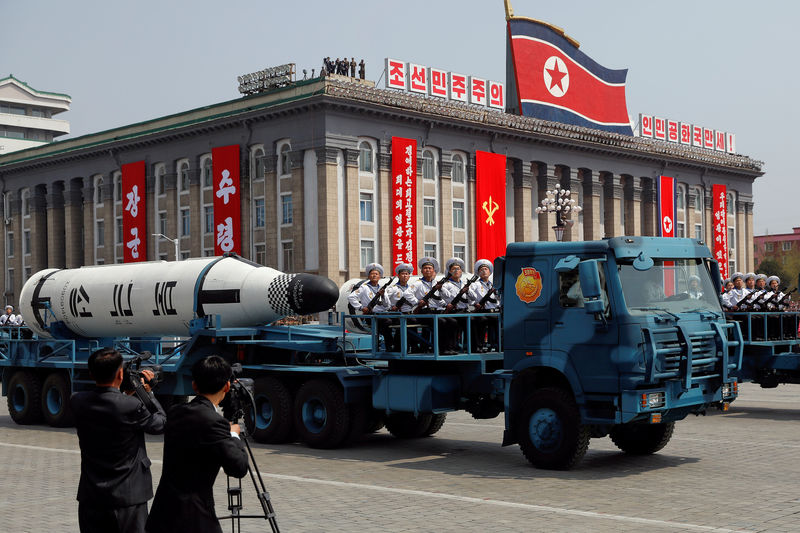
North Korea carried out weapons tests on the newly built 5,000-ton destroyer Kang Kon under Kim Jong Un, including assessments of anti-ship, anti-submarine and air-defense systems, ahead of instructions to complete remaining trials and commission the vessel into active service within two months. The article also flags Korea’s KOSPI P/E falling to the lowest level since the global financial crisis, reinforcing a risk-off backdrop for equities amid heightened regional security concerns.
Korea is already trading like a chronic geopolitical discount market, so this kind of headline is less a new shock than a confirmation of why foreigners keep demanding a higher equity risk premium. At GFC-like multiples, the first-order damage is limited unless the situation escalates; the bigger effect is that every fresh reminder of regional tension suppresses re-rating, discourages new listings, and keeps domestic cyclicals pinned to low terminal multiples.
The more interesting spillover is relative allocation. Korea’s discount becomes a standing argument for global allocators to favor Japan, India, or Taiwan when they want Asia beta without the same headline overhang. Within Korea, regulated yield names like KEP are not clean havens because KRW weakness and imported fuel costs can erode the defensive narrative, while large exporters with global pricing power can absorb local risk better than banks, retailers, and domestic demand proxies.
Over the next few days, the key variables are FX, foreign flow data, and whether military signaling turns into sanctions or posture changes; over 1-3 months, the catalyst is still earnings and guidance, not the headline itself. Contrarian take: the market may already be pricing a semi-permanent geopolitical tax, so chasing new shorts here has poor asymmetry unless the situation broadens beyond routine provocation. The thesis is falsified if foreign buying turns persistently positive, KRW stabilizes, and KOSPI starts reclaiming its pre-discount valuation band.
AI-powered research, real-time alerts, and portfolio analytics for institutional investors.
Request DemoOverall Sentiment
mildly negative
Sentiment Score
-0.35
Ticker Sentiment
