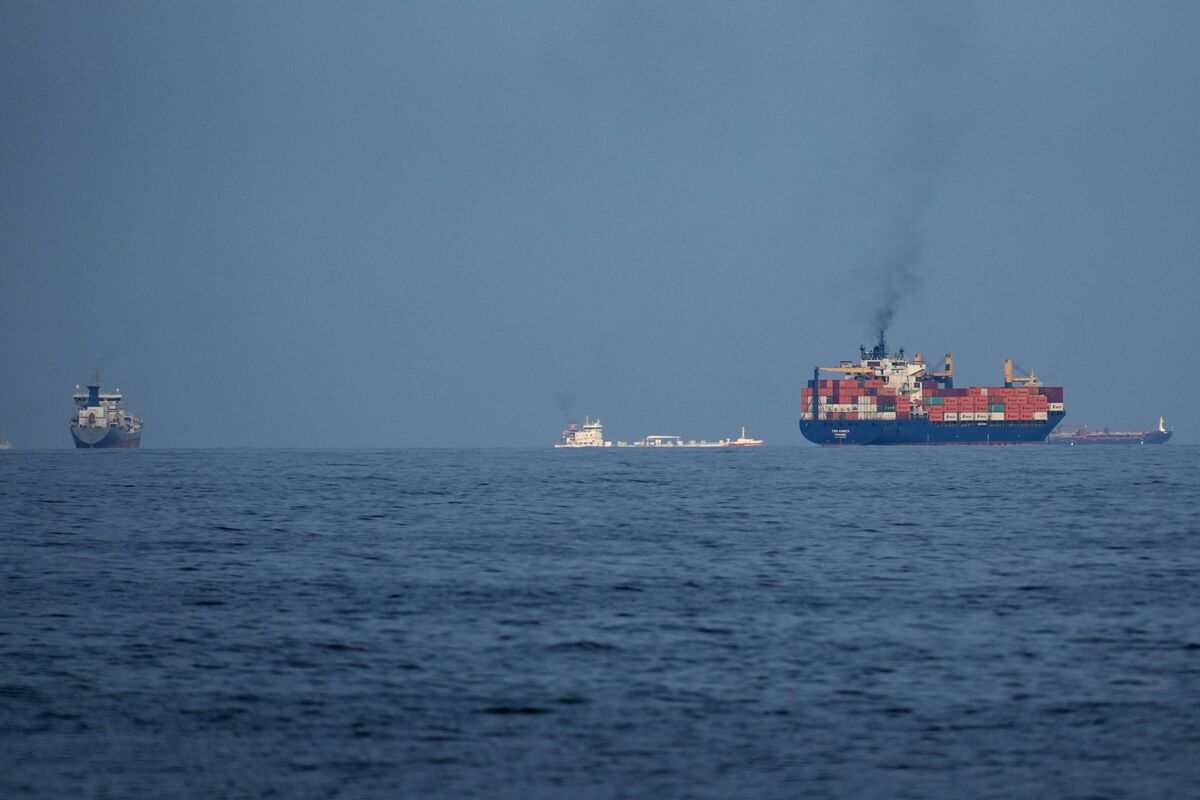
Iran is considering a short-term pause in shipments through the Strait of Hormuz to avoid escalating tensions and jeopardizing renewed US-Iran peace talks. Any disruption to the strait would be highly sensitive for global oil and shipping flows, given the route’s strategic importance. The report points to elevated geopolitical risk and potential near-term volatility in energy and freight markets.
A short pause in Hormuz activity is less about barrels lost and more about optionality: Tehran is signaling it can raise shipping risk without immediately forcing the market into a full blockade regime. That matters because the first derivative is freight and insurance, but the second derivative is inventory behavior — refiners, traders, and end-users tend to over-order once even a temporary bottleneck looks plausible, pulling demand forward and tightening prompt crude differentials before any physical outage is visible.
The near-term winners are not just upstream energy names, but also non-Middle East supply chains with flexible logistics: US Gulf exporters, West African producers, and LNG sellers that can redirect cargoes into any perceived gap in Asian energy security. Losers are tanker owners and marine insurers in the short run if coverage costs jump, but that can reverse quickly if volumes re-route rather than stop; the more durable loser is regional import-dependent industrials in Asia, where a 1-2 week shipping disruption can translate into a 1-2 month working-capital squeeze through higher inventory and freight costs.
The key risk is that the market may dismiss the headline as tactical diplomacy and underprice the tail. In the next few days, the catalyst is not a permanent closure but a miscalculation: a detention, drone strike, or US interdiction would force risk premia sharply higher, likely in crude, freight, and defense names. Over months, the more important reversal is successful talks, which would deflate the geopolitical premium quickly because the physical market can absorb a pause, but not an extended expectation of recurring pauses.
Contrarian view: the consensus may be overestimating the direct oil-price impact and underestimating the cross-asset impact of uncertainty. If the pause is credible, the first trade is not outright long crude but long volatility and relative-value dislocations across transport, insurance, and energy equities; the market usually prices supply loss faster than it prices margin compression for shipping-dependent industries.
AI-powered research, real-time alerts, and portfolio analytics for institutional investors.
Request TrialOverall Sentiment
mildly negative
Sentiment Score
-0.25
