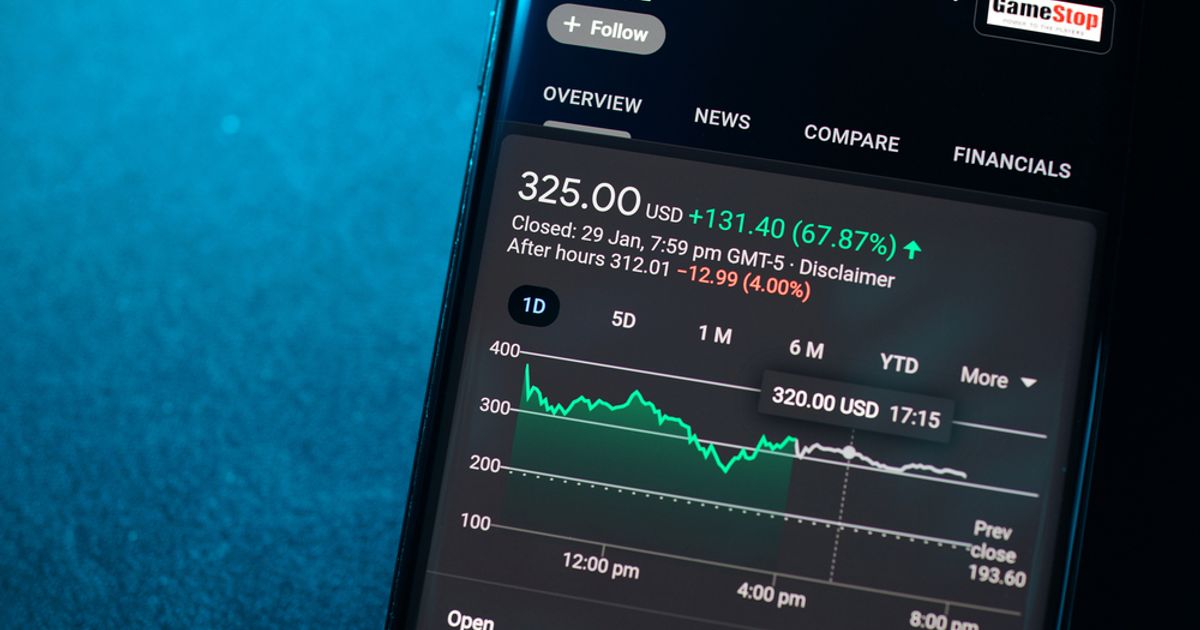
GameStop unveiled a $35 billion, shareholder-approved CEO compensation package for Ryan Cohen that grants options on 171.5 million shares at $20.66 each, contingent on growing market capitalization from about $9.26 billion to $100 billion and delivering $10 billion in cumulative performance EBITDA. The plan—requiring a special meeting in March or April and offering Cohen no guaranteed salary or cash bonuses—mirrors Musk-style milestone pay and prompted an almost 6% stock rise, underscoring both the high-risk, high-reward nature of the proposed turnaround and the potential for significant equity revaluation if targets are met.
Market structure: Cohen’s $35B, 171.5m-share option package redistributes potential upside to a single executive and materially increases fully diluted share count if exercised — on the order of ~50–100% of today’s outstanding shares — which benefits long-term concentrated holders aligned with hyper-growth outcomes and hurts short sellers and passive holders if dilution is heavy. Competitive dynamics shift incentives from steady retail cash flow to aggressive digital/MMM growth and M&A; incumbents in digital distribution face intensified competition only if Cohen executes meaningful tech/market expansions. Cross-asset: expect immediate spikes in GME equity and options volatility, modest credit spread tightening only if bond issuance is contemplated, negligible FX or commodity impact, and elevated equity derivatives volumes through the March–April shareholder vote window.
Risk assessment: Tail risks include shareholder rejection of the plan, SEC/NYSE scrutiny of related-party terms, or failure to hit Musk-like milestones — any of which could trigger >30–50% downside within weeks. Time horizons: days–weeks dominated by vote messaging and VOL; months by strategy announcements and Q1 results; years by execution toward $100B cap and $10B cumulative EBITDA. Hidden dependencies: plan assumes capital access, potential large dilution, and sustained retail/corporate investor appetite; execution requires hires/capex and possible M&A. Key catalysts: special meeting (Mar–Apr 2026), ISS/Glass Lewis recommendations (within 30–60 days), and any strategic M&A or e-commerce metrics within next 2–6 quarters.
Trade implications: Favor asymmetric, limited-loss long exposure to GME ahead of the vote and conditional hedges against rejection. Direct plays: small long-dated call spreads to capture approval upside; contingent protective puts or short positions if vote fails or ISS recommends against. Sector rotation: trim generic arcade/physical-retail exposure in favor of e-commerce and digital-distribution names if Cohen pivots capital to tech. Entry/exit: tranche into positions now (10–30% initial) ahead of vote, add on favorable governance signals, cut to predefined stops (e.g., 30% loss or upon formal vote rejection).
Contrarian angles: Consensus focuses on headline upside; it underestimates execution difficulty — turning $9.26B to $100B requires sustained 3–5x revenue expansion and margin transformation, not just sentiment. Reaction is likely overdone in near term: approval alone won’t create EBITDA; failure risks are asymmetric and underpriced by retail enthusiasm. Historical parallels to Tesla’s plan show that incentive structures can unlock value but only after multi-year operational outperformance; absent clear quarterly improvements, dilution and governance disputes could create protracted volatility.
AI-powered research, real-time alerts, and portfolio analytics for institutional investors.
Request DemoOverall Sentiment
mildly positive
Sentiment Score
0.30
Ticker Sentiment
