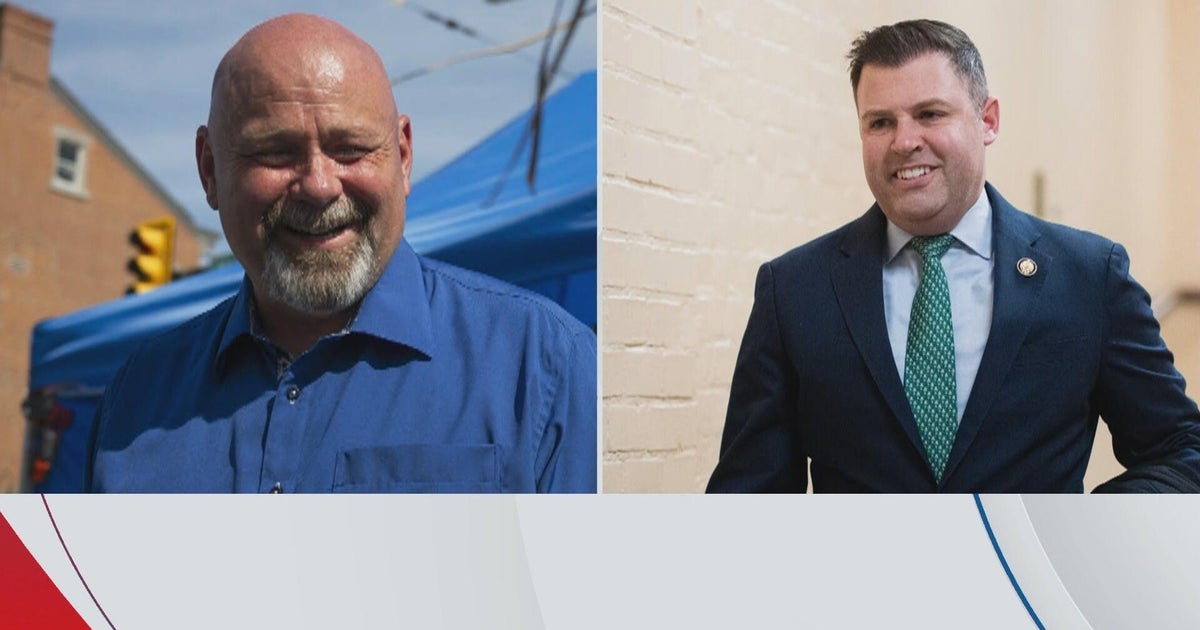
Texas Democratic House candidate Maureen Galindo is facing widespread backlash after posting antisemitic comments, including a pledge to turn an ICE detention center into a "prison for American Zionists." Party leaders including Hakeem Jeffries, Suzan DelBene, and Alexandria Ocasio-Cortez condemned the remarks, while allegations also surfaced that a GOP-linked super PAC may be backing her campaign. The story is politically significant but is unlikely to have direct market impact beyond the election cycle.
The immediate market impact is not on the candidate herself but on the broader Democratic brand in a red-tilting seat. If this runoff becomes a referendum on antisemitic rhetoric rather than local bread-and-butter issues, the GOP gets a cleaner path to nationalize the district and widen margins, which matters because Texas redistricting has already converted several seats into low-margin defensive contests. The second-order effect is that national Democrats will be forced to spend more time and money on internal reputational control, not persuasion, which raises the opportunity cost across the Texas map.
The sharper near-term read is that the controversy increases the odds of asymmetric turnout: motivated Republican cross-over attention rises, while soft Democratic turnout in a low-salience runoff can fade. That dynamic is usually more important than persuasion in special or runoff environments, and it can create a self-reinforcing cycle where each new condemnation keeps the race in the news and reinforces the fringe-candidate frame. Over days to weeks, this is a headline-risk event; over months, it can influence donor allocation and candidate recruitment in adjacent districts if national committees conclude their screening is weak.
The contrarian angle is that the market may be overestimating the broader electoral damage to Democrats if the party moves quickly and decisively to isolate the candidate. Strong public repudiation from high-profile Democrats is actually evidence of a firewall working, not failing, and the incident could even support a fundraising narrative for the mainstream lane. The bigger risk is operational: if outside spending with unclear origins continues, it creates a persistent due-diligence problem for both parties and may invite more aggressive FEC scrutiny and opposition research across primary races.
AI-powered research, real-time alerts, and portfolio analytics for institutional investors.
Request DemoOverall Sentiment
strongly negative
Sentiment Score
-0.70
Ticker Sentiment
