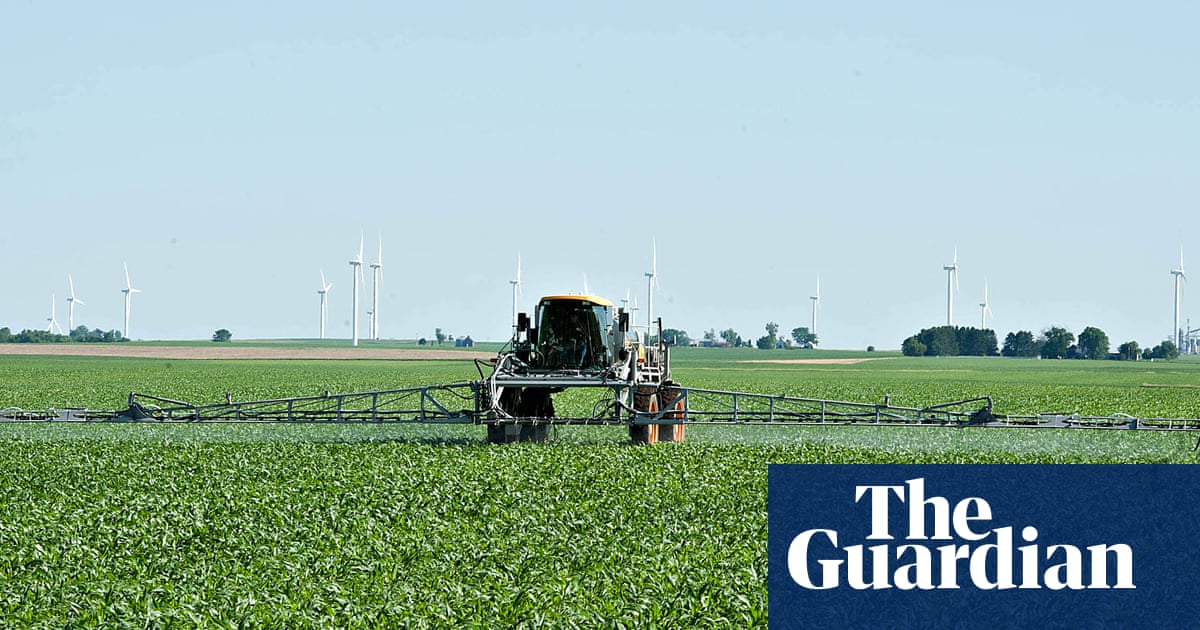
Nitrogen fertilizer prices rose from $350/short ton in late December to about $600/short ton by March 10 (~+70%) after the Strait of Hormuz closure amid the US‑Israel–Iran conflict disrupted key fertilizer trade (the Middle East handles ~35% of global urea trade and the US imports ~25% of its fertilizer). The surge compounds multi‑year elevated input costs that have left many US growers unprofitable, is likely to push ~4 million acres from corn to soybeans (lower fertilizer intensity), and could tighten rural credit and lift consumer grocery prices. Key near‑term catalysts: USDA planting survey due Mar 31, freight/shipments reportedly stuck in the Red Sea, and any policy or subsidy response that would affect farmer liquidity and commodity‑futures volatility.
Concentrated fertilizer suppliers and vertically integrated merchants are the obvious near-term beneficiaries because pricing power + tight shipping can convert into outsized free cash flow for multiple quarters; however, that cash-flow bonanza is lumpy and contingent on sustained physical liftings, so buy signals should be tied to observable shipment flows rather than spot quotes alone. Family farms and regional credit providers are the weakest links — rapid margin compression among small operators will accelerate distress sales and land consolidation, creating a multi-quarter boost to large grain-handlers and fund buyers of agricultural real estate.
Key catalysts operate on distinct horizons: days-to-weeks for shipping corridors and stuck tonnage to clear; weeks-to-months for planting decisions and inventory draws that show up in futures curves; and quarters-to-years for acreage reallocation, yield degradation from under-application, and potential policy responses (subsidies, export controls, or antitrust enforcement). Reversals can be abrupt — diplomatic/military de-escalation or a rapid ramp in non-exposed production (or an inexpensive feedstock shock) would unwind price premia quickly and pressure highly leveraged producers.
Second-order effects create asymmetric opportunities: an acreage shift toward lower-input crops reduces mid-cycle fertilizer demand and can flip fertilizer equities from winners to underperformers 6–12 months out; simultaneously, grain processors and merchandisers can benefit from elevated crop prices but suffer on volumes if planting is curtailed. Monitor forward curves, outstanding vessel tonnage, and regional bank loan-loss provisioning — these three metrics will give lead indication of whether the shock is a transient price spike or the onset of structural demand destruction.
AI-powered research, real-time alerts, and portfolio analytics for institutional investors.
Request DemoOverall Sentiment
strongly negative
Sentiment Score
-0.60
