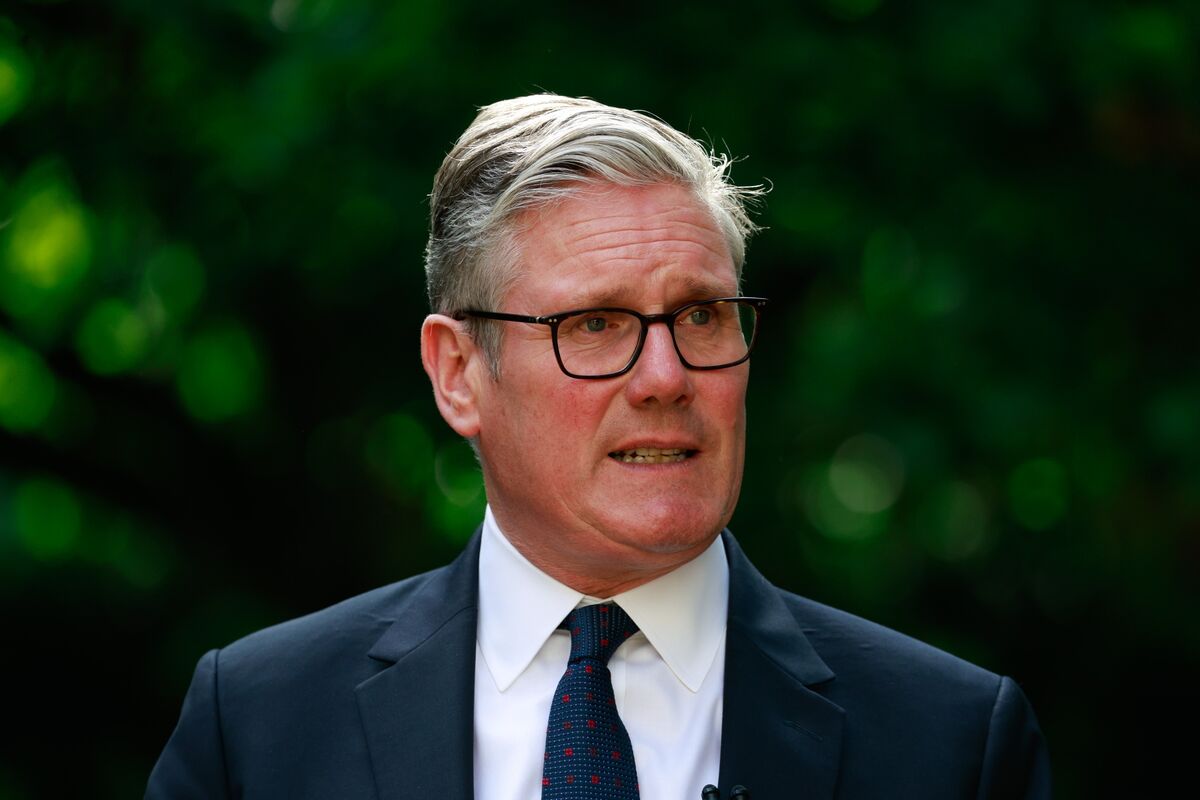
UK Prime Minister Keir Starmer faces a critical parliamentary vote on welfare reform, marking a significant test for his government amidst potential Labour rebellion. Concurrently, the EU is reportedly prepared to accept a proposed 10% universal tariff from the US, while actively seeking specific sector exemptions for drugs, alcohol, chips, and planes, and pushing for reduced rates or quotas on existing 25% automotive and 50% steel/aluminum tariffs. Separately, the EU also finalized a new trade agreement with Ukraine.
The current landscape is defined by significant political and trade policy uncertainty in key Western economies. In the UK, Prime Minister Keir Starmer's government faces a critical test of its authority with a parliamentary vote on a major welfare overhaul, a situation exacerbated by a rebellion from within his own Labour party. This internal dissent, even after concessions were made, signals potential legislative instability which could impact UK market sentiment. Concurrently, transatlantic trade relations are fraught with preemptive maneuvering. The EU is reportedly preparing for a potential 10% universal tariff from the US by signaling a willingness to accept it, but only with strategic exemptions for crucial sectors like pharmaceuticals, alcohol, semiconductors, and aircraft. Furthermore, the bloc is actively seeking to mitigate existing 25% tariffs on automobiles and 50% on steel and aluminum, highlighting ongoing friction that poses a risk to these specific industries. While the EU has secured a new trade deal with Ukraine, this development is overshadowed by the more immediate and impactful uncertainties in its relationships with the UK and the US.
AI-powered research, real-time alerts, and portfolio analytics for institutional investors.
Request DemoOverall Sentiment
mixed
Sentiment Score
-0.10
