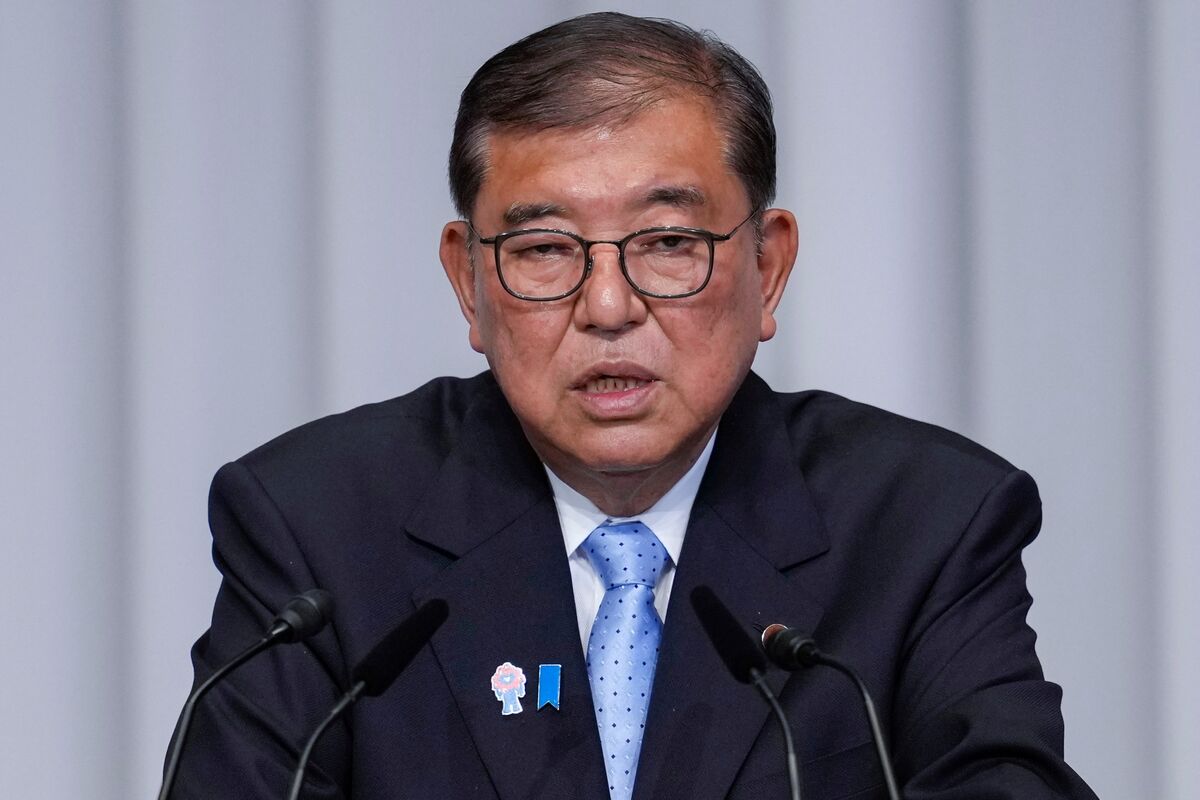
Japanese Prime Minister Shigeru Ishiba has signaled his intent to remain in office despite growing calls for his resignation within the ruling party following a recent election setback. Ishiba emphasized his commitment to the nation and his responsibility for implementing the newly announced US-Japan trade deal, indicating a resolve to maintain leadership and ensure continuity in critical economic policy amidst political challenges.
Japanese Prime Minister Shigeru Ishiba is signaling his intent to remain in office, creating a climate of political uncertainty following a recent election setback. His refusal to step down despite calls from within the ruling party introduces a key risk factor for policy continuity. Ishiba has explicitly linked his tenure to the successful implementation of the new US-Japan trade deal, framing his leadership as essential for its execution. This situation presents a dichotomy for markets: the potential for domestic political instability versus the Prime Minister's stated commitment to a critical economic policy. The mixed sentiment and a moderate market impact score of 0.4 suggest that while the situation is not yet a crisis, investors are watching closely to see if the internal party friction will impede governance and the progress of the trade agreement.
AI-powered research, real-time alerts, and portfolio analytics for institutional investors.
Request DemoOverall Sentiment
mixed
Sentiment Score
0.00
