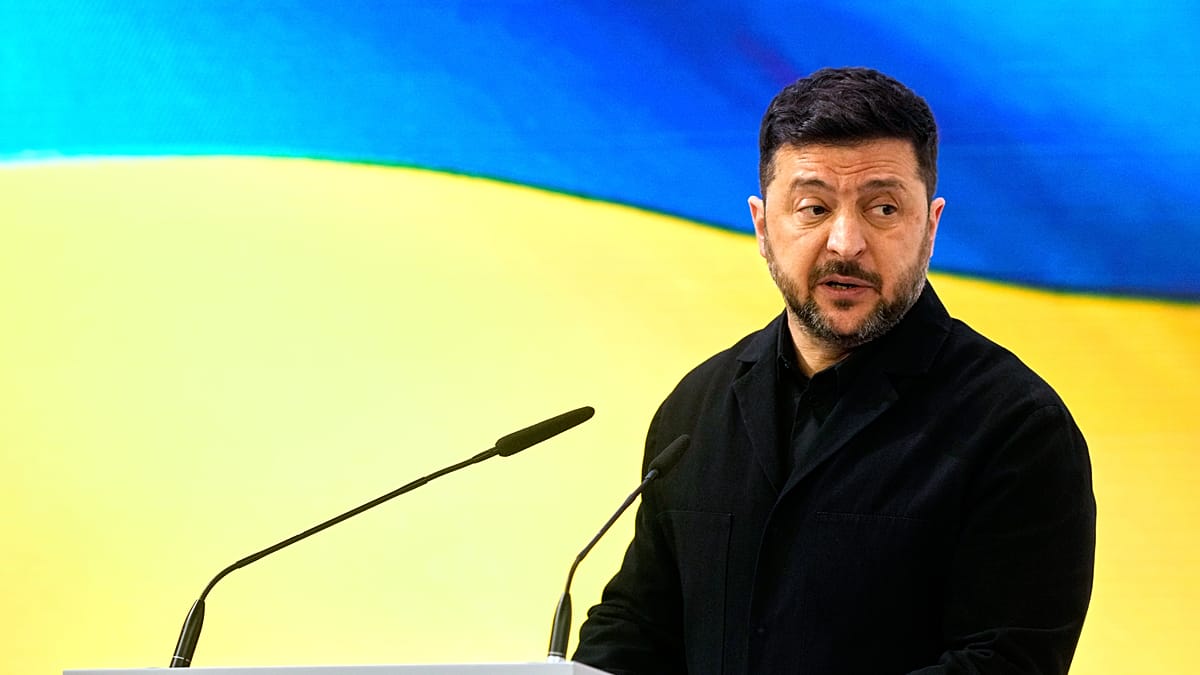
Ukraine says it could repair the Druzhba (Friendship) oil pipeline within a month to six weeks but President Zelenskyy, backed by European leaders, refuses to do so while Russia wages war; the pipeline has been out of service since a Russian strike on Jan. 27, halting Russian oil shipments to Hungary and Slovakia. Hungary’s Viktor Orbán has threatened to block a €90bn EU aid/reparations tranche and EU sanctions on Russia until flows resume and has mobilized security around energy infrastructure amid an escalating diplomatic row ahead of April elections, creating regional energy supply risk and political leverage that could influence EU policymaking and energy markets.
Market structure: Short-term winners are owners of seaborne crude logistics, storage and large integrated oil majors (e.g., SHEL.L, BP.L) that can reallocate supply; losers are Hungarian/Slovak refiners and domestic credit (expect HUF pressure). A 30–45 day repair window but political refusal implies a supply shock of order 0.1–0.4 mbpd to the region, lifting Brent by an incremental $3–12/bbl if sustained beyond two weeks and raising regional refining margins.
Risk assessment: Tail risks include kinetic incidents, Hungary forced intervention, or EU political paralysis that triggers a larger split in EU aid—each could widen Hungary 10y spreads by +30–150bp and send HUF down 3–8% in 7–30 days. Immediate (days) volatility is FX and front-month Brent; short-term (weeks) re-routing/shipping costs and refinery run cuts; long-term (quarters) acceleration to seaborne imports and terminal capex.
Trade implications: Favor convex exposure to oil upside and FX/bond downside for Hungary while limiting duration of equity exposure to political news flow. Key catalysts to monitor (triggers to act/exit): Orbán’s election outcome (early April), EU vote on the €90bn tranche (next 2–6 weeks), and any pipeline repair announcement (within 14 days).
Contrarian angles: Consensus assumes protracted political blockade; market may be overpricing duration—if pipeline reopens within 10–14 days, crude and regional equities can snap back 8–20%. Conversely, underappreciated second-order: higher European shipping and insurance costs (+10–25% QoQ) which favor tanker owners and storage holders.
AI-powered research, real-time alerts, and portfolio analytics for institutional investors.
Request TrialOverall Sentiment
moderately negative
Sentiment Score
-0.50
