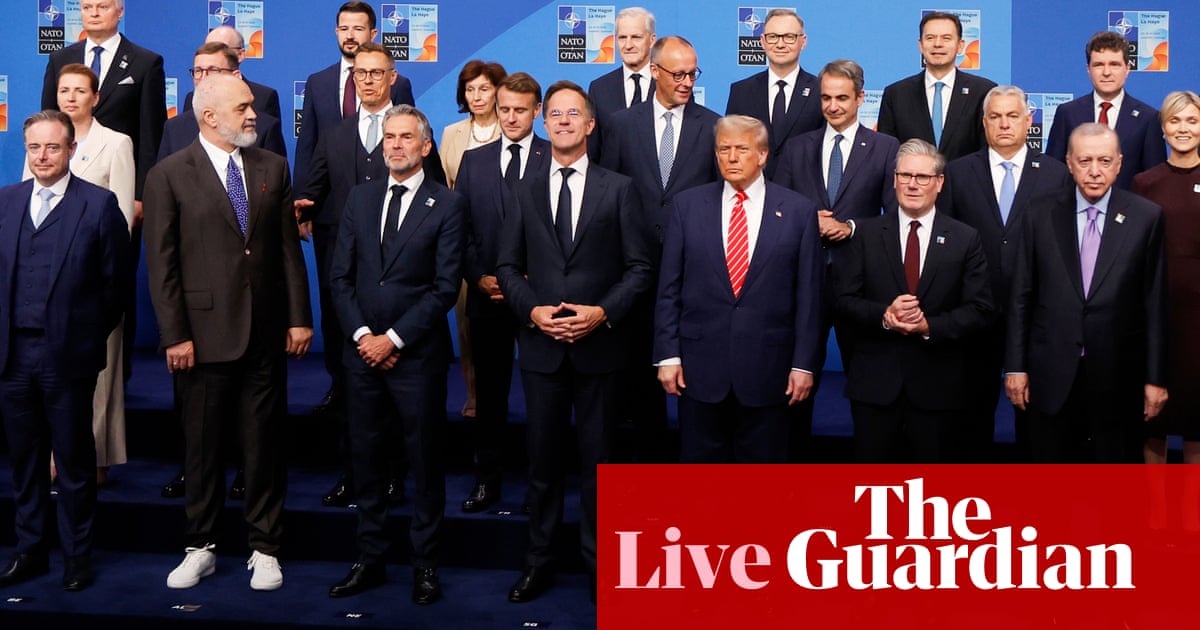
NATO leaders, influenced by President Trump's push for greater burden-sharing and the geopolitical landscape, have committed to an unprecedented increase in collective defense spending, targeting 5% of GDP and a significant expansion of the defense industrial base. This strategic shift, driven by the ongoing conflict in Ukraine, signals substantial long-term investment opportunities within the defense sector. While Trump reaffirmed his commitment to NATO’s Article 5, he also highlighted ongoing geopolitical tensions by referencing past US strikes on Iran and suggesting potential for future military action.
A significant strategic and fiscal shift is underway within NATO, driven by geopolitical pressures and direct influence from the U.S. administration. The commitment by member nations to a new 5% of GDP defense spending target represents an unprecedented increase in collective defense investment, building upon the $1 trillion in extra spending already generated since 2016 and promising 'trillions more' in the future. This policy is a direct response to the conflict in Ukraine, which has shattered prior assumptions about European security. The core implication for markets is a stated plan for a 'huge expansion of our defence industrial base on both sides of the Atlantic,' signaling a long-term, secular growth catalyst for the sector. While President Trump’s reaffirmation of the U.S. commitment to Article 5 provides a degree of stability to the alliance, his concurrent remarks regarding potential military action against Iran underscore the high-stakes geopolitical environment that underpins this spending surge.
AI-powered research, real-time alerts, and portfolio analytics for institutional investors.
Overall Sentiment
strongly positive
Sentiment Score
0.75
