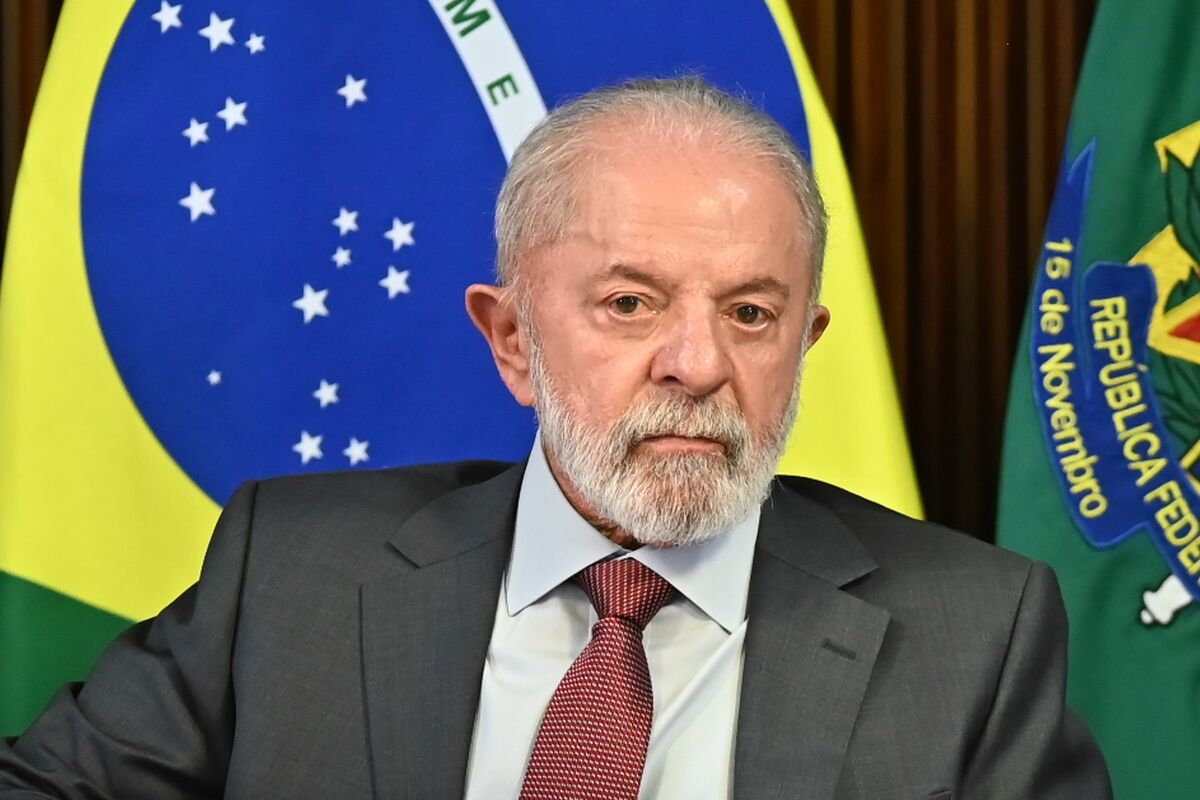
Brazilian President Luiz Inacio Lula da Silva's approval rating declined in August, falling two points to 48% while disapproval rose to 51%, according to a LatAm Pulse survey for Bloomberg News. This decrease suggests that the political momentum previously gained from the trade dispute with Donald Trump has proven short-lived, potentially impacting his administration's ability to advance its agenda.
Brazilian President Luiz Inacio Lula da Silva's public support is showing signs of weakening, with his approval rating declining by two percentage points to 48% in August, while his disapproval rating surpassed the majority threshold to reach 51%, according to a LatAm Pulse survey. This shift indicates that the political capital gained from a previous trade dispute with Donald Trump was temporary and is now dissipating. A majority disapproval rating presents a significant political headwind, potentially complicating the administration's ability to implement its economic and social agenda. The data suggests that domestic concerns are re-emerging as the dominant factor in public sentiment, a critical development for investors to monitor as it directly impacts policy stability and execution risk in Brazil.
AI-powered research, real-time alerts, and portfolio analytics for institutional investors.
Request DemoOverall Sentiment
mildly negative
Sentiment Score
-0.30
