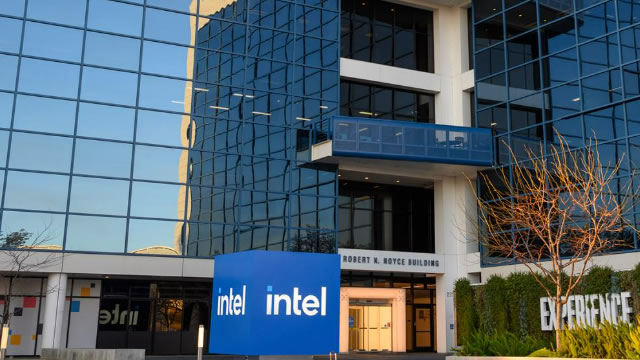
Intel is trading lower after filing for a surprise $15B share sale, a capital raise that may pressure sentiment and equity value. The stock is testing its 20-day moving average, with analysts expecting a move below $96.70 to further accelerate bearish momentum.
This is less a one-day financing event than a signal that the equity story is still being written from a position of weakness. When a large, mature semiconductor name taps the market for primary capital, the immediate loser is the common equity via dilution and a higher equity-risk premium; the second-order loser is any adjacent vendor or customer ecosystem that depends on a clean, self-funded turnaround narrative. The market typically starts discounting a longer path to free-cash-flow normalization, which compresses the multiple even if operating metrics do not deteriorate further.
The important near-term mechanism is technical/flow-driven: once a name loses a widely watched moving average after a dilutive headline, systematic sellers and momentum funds often add pressure for 1-3 weeks, not just one session. Over 1-3 months, the key catalyst is not the raise itself but whether management can show the proceeds buy time without forcing a second financing or a sharper cut to capital returns. If the market concludes this is a pre-emptive liquidity backstop rather than an execution bridge, the stock can stabilize; if not, the path of least resistance remains lower.
Contrarian view: the bear case may be overconfident about insolvency-style outcomes. A well-telegraphed capital infusion can reduce tail risk and make the equity less brittle if execution inflects, which is why a violent short squeeze is possible on any positive guidance revision or strategic-investor anchor. Still, absent a convincing margin and cash-flow bridge, this should be treated as a sell-the-rip setup rather than a turnaround confirmation.
AI-powered research, real-time alerts, and portfolio analytics for institutional investors.
Overall Sentiment
mildly negative
Sentiment Score
-0.30
Ticker Sentiment
