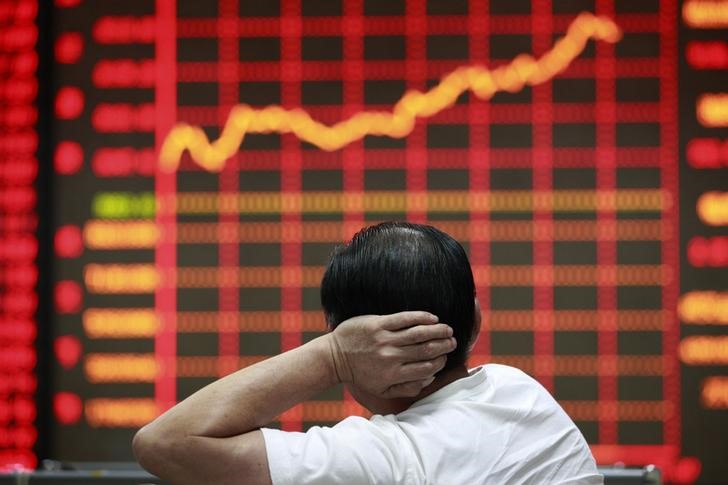
Asian equities rose on a strong U.S. tech lead, with South Korea’s KOSPI up 2.3% to a record 6,630.35 and Japan’s Nikkei 225 touching 60,652.98, also a fresh high. AI and chip stocks led gains, including SK Hynix up over 6% and Samsung Electronics up 2.5%, while oil prices above $107 and stalled U.S.-Iran talks capped broader risk appetite. Markets are also watching the BOJ meeting this week, with policy expected to stay at 0.75% and a possible hike signaled later this year.
The immediate read-through is not just “AI good for chips,” but that the compute cycle is broadening from accelerators into the CPU layer, which matters because CPUs are a much larger installed-base refresh opportunity. That creates a second-order winner set: cloud capex vendors, x86 ecosystems, memory, and server OEMs all get a longer runway if AI inference shifts from scarce GPU clusters to more distributed enterprise deployments. The market is likely underestimating how sticky this is if the next wave of spend is driven by inference density rather than model training.
The more interesting dynamic is relative performance inside mega-cap tech. If AI demand is broad enough to support both hyperscaler capex and consumer platform ad products, the group can keep leading; but if cloud budgets get reallocated toward in-house silicon, the beneficiaries become more selective. That sets up a dispersion trade between infrastructure-exposed names and companies with less direct monetization from AI capex, especially as earnings will need to validate whether AI is raising near-term operating leverage or simply inflating spend.
Macro is the counterweight. Higher oil prices are a tax on risk appetite and a margin headwind for energy-intensive hardware supply chains, while the near-term policy backdrop keeps rate cuts off the table longer than the market wants. Over days, that can cap multiple expansion; over months, the key variable is whether earnings revisions from AI offset the drag from tighter financial conditions and input costs. The market is leaning bullish, but the setup is fragile if guidance from the megacap tech cohort disappoints on monetization pace versus capex intensity.
The contrarian view is that the move may be partially over-owned rather than overvalued: investors are chasing the obvious AI beneficiaries while missing that the better risk/reward may be in second-tier beneficiaries with lower expectations and cleaner operating leverage. If the CPU thesis is real, semicap equipment, networking, and memory could outperform the headline hyperscalers on earnings surprise even if the latter remain index leaders. That argues for relative-value positioning rather than outright beta chasing.
AI-powered research, real-time alerts, and portfolio analytics for institutional investors.
Request DemoOverall Sentiment
mildly positive
Sentiment Score
0.35
Ticker Sentiment
