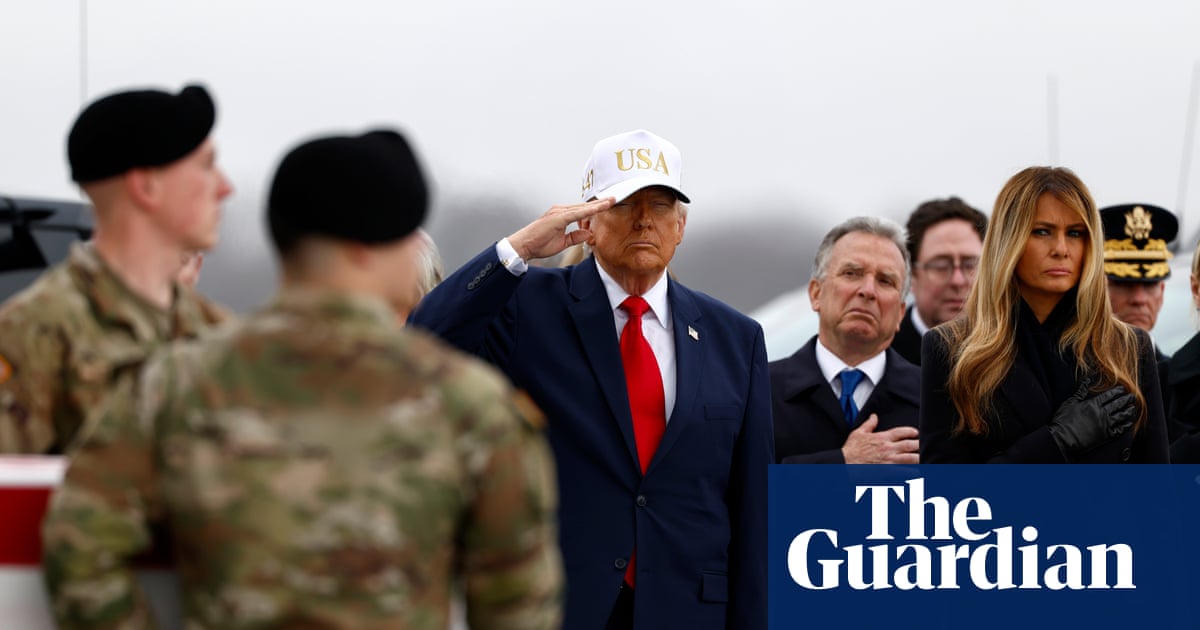
About 200 US service members have been wounded in Operation Epic Fury (the vast majority minor; 180 returned to duty; at least 10 seriously wounded) and 13 US personnel killed, while Iranian and regional casualties are reported in the thousands. Recent strikes and a US refuelling-plane crash account for multiple US fatalities. The escalation and statements around protecting the Strait of Hormuz raise near-term risk to energy flows and broader market volatility, increasing geopolitical risk premia for portfolios.
Market-priced risk is migrating from a binary oil shock to a multi-vector premium: energy, maritime insurance, and defence procurement. Expect immediate volatility in freight and bunker markets (days–weeks) as shipping reroutes and insurers reprice hull/cargo and kidnap-and-ransom exposure, while a multi-quarter uplift in US and allied defence budgets materializes through accelerated procurement and O&M spending. Capital allocation moves will be lumpy — OEMs can ramp missiles and avionics faster than complex platforms; suppliers of composites, RF semiconductors, and fast-turn MRO services are the binding constraints and often trade at a multiple discount to prime contractors.
Political uncertainty is the dominant near-term tail risk: domestic electoral dynamics and noisy executive commentary increase the odds of policy whipsaw (days–months), which favors convex, hedged exposures over naked directional bets. Over 3–12 months, sustained kinetic activity raises the probability of higher-for-longer oil (supporting US E&P free cash flow) and structurally higher defence budgets, but also increases the chance of tactical ceasefires that can erase a large chunk of the risk premium quickly. Liquidity and option-volatility curves will fatten in risk-off windows, making skewed option structures relatively more expensive but also useful for asymmetric payoffs.
The practical arbitrage is in bottlenecks rather than headline winners: targeted plays on missile/air-defence subsystem suppliers, marine insurers and short-duration energy producers offer better risk/reward than full-capex platform longs. Avoid unhedged energy longs and broad travel shorts; instead favor defined-loss option structures and pairs that monetize the differential speed of response between suppliers and integrators.
AI-powered research, real-time alerts, and portfolio analytics for institutional investors.
Request DemoOverall Sentiment
strongly negative
Sentiment Score
-0.80
