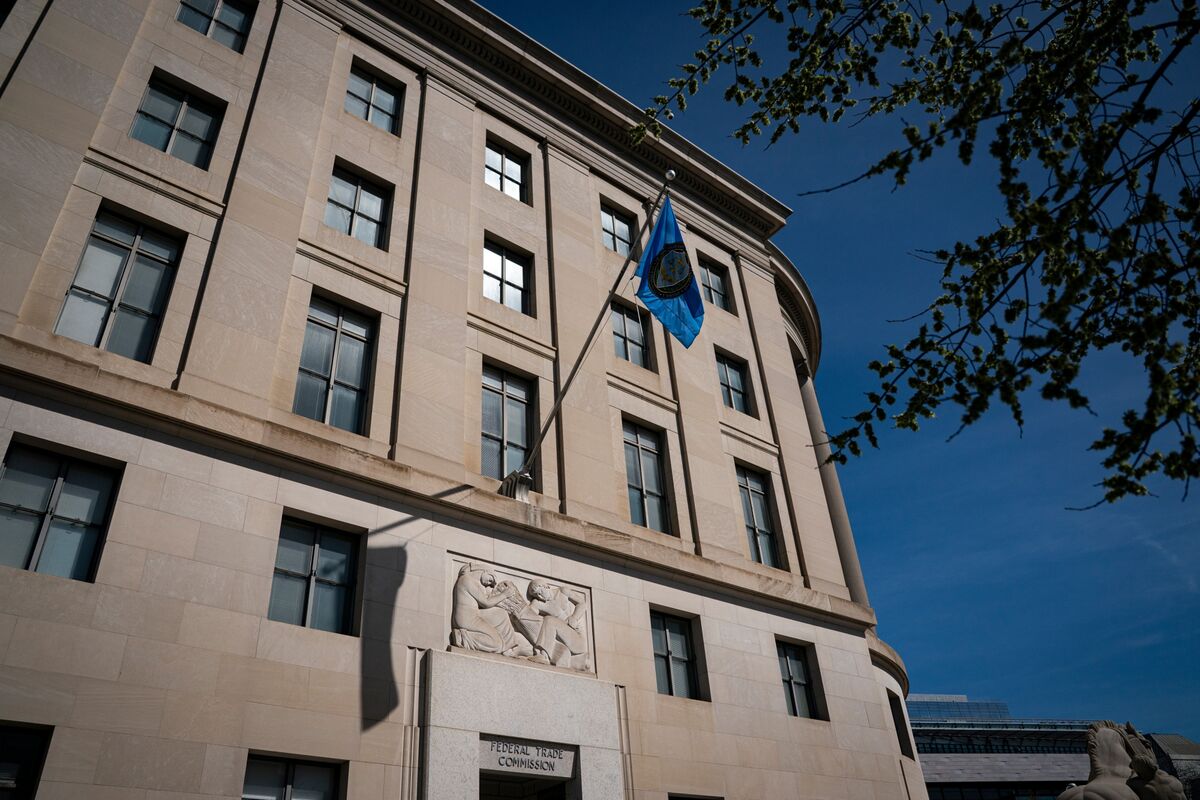
A US District Judge has blocked the Federal Trade Commission's information demand to nonprofit Media Matters for America, ruling it constituted retaliation for exercising free speech rights. This decision curtails the FTC's investigative reach in an antitrust probe concerning advertising boycotts, signaling potential judicial limits on regulatory actions when constitutional rights are implicated.
A U.S. District Court has issued an order blocking a Federal Trade Commission (FTC) civil investigative demand for documents from the nonprofit group Media Matters for America. The court's decision was based on the grounds that the FTC's demand constituted retaliation against the organization for exercising its First Amendment right to free speech. This ruling is significant as it curtails the FTC's investigative powers in its ongoing antitrust probe related to advertising boycotts. The judgment establishes a notable legal precedent, highlighting that regulatory bodies may face judicial limitations when their enforcement actions are perceived to infringe upon constitutional rights. This development introduces a new layer of complexity to the regulatory landscape, suggesting that the scope and methods of future antitrust investigations, particularly those involving media entities or advocacy groups, could be subject to heightened legal challenges and judicial review.
AI-powered research, real-time alerts, and portfolio analytics for institutional investors.
Request DemoOverall Sentiment
neutral
Sentiment Score
0.00
