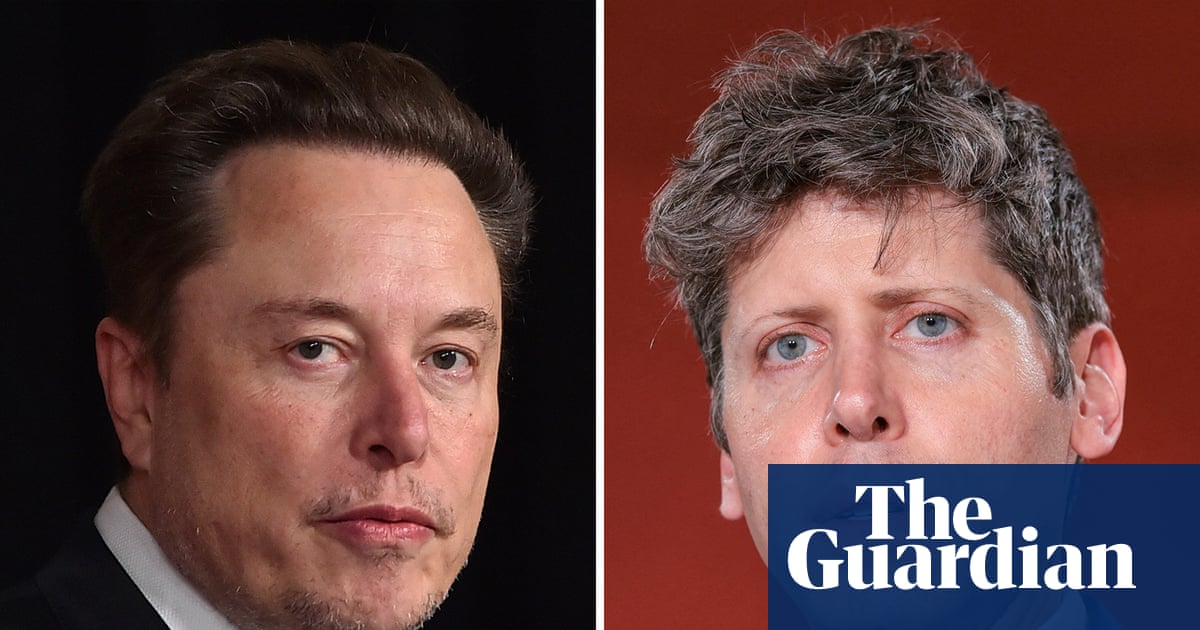
A California jury trial has begun in Elon Musk’s lawsuit against OpenAI, Sam Altman and Greg Brockman, with Musk seeking to unwind OpenAI’s restructuring, remove Altman and Brockman from leadership, and recover about $134bn in damages. The case centers on alleged breaches of OpenAI’s founding mission and could affect the company’s planned IPO later this year at an estimated $1tn valuation. The proceedings are likely to influence governance and restructuring expectations around one of the most important AI firms, but immediate market impact should be limited unless the case advances materially.
This trial is less about retroactive legal liability than about whether OpenAI’s governance stack remains financeable at the scale implied by a near-term public listing. Even if the plaintiffs fail on merits, discovery/testimony could surface board-control and fiduciary-governance narratives that increase IPO discount rates, widen underwriting spreads, or push the company toward a more complex holding-company structure. The market should treat this as a duration event: headline risk is immediate, but the more material impact is on the sequencing and valuation of any listing over the next 3-9 months.
For MSFT, the direct earnings exposure is limited, but the company is the clearest transmission channel because OpenAI optics affect how investors value Microsoft’s AI attach rate and strategic optionality. A messy trial weakens the “clean governance” premium around the AI ecosystem and could modestly slow enterprise procurement decisions if customers perceive platform instability or leadership distraction. That said, any deterioration in OpenAI’s standalone fundraising or IPO path could incrementally improve Microsoft’s relative bargaining power in commercial terms, making the stock less about legal overhang and more about ecosystem consolidation.
TSLA is a softer beneficiary on the surface because the dispute validates the broader AI talent and control conflict that keeps xAI in the conversation, but the bigger second-order effect is distraction risk: Musk’s time allocation, messaging noise, and capital allocation could become a measurable headwind if the trial escalates. The contrarian angle is that the market may be overpricing reputational damage to Musk and underpricing the optionality of any OpenAI governance reset, which could create a faster path to monetization for legacy stakeholders. The base case is not binary verdict impact; it is a longer re-rating of AI private-market structure and a higher variance path for any public AI comps.
AI-powered research, real-time alerts, and portfolio analytics for institutional investors.
Request DemoOverall Sentiment
mildly negative
Sentiment Score
-0.10
Ticker Sentiment
