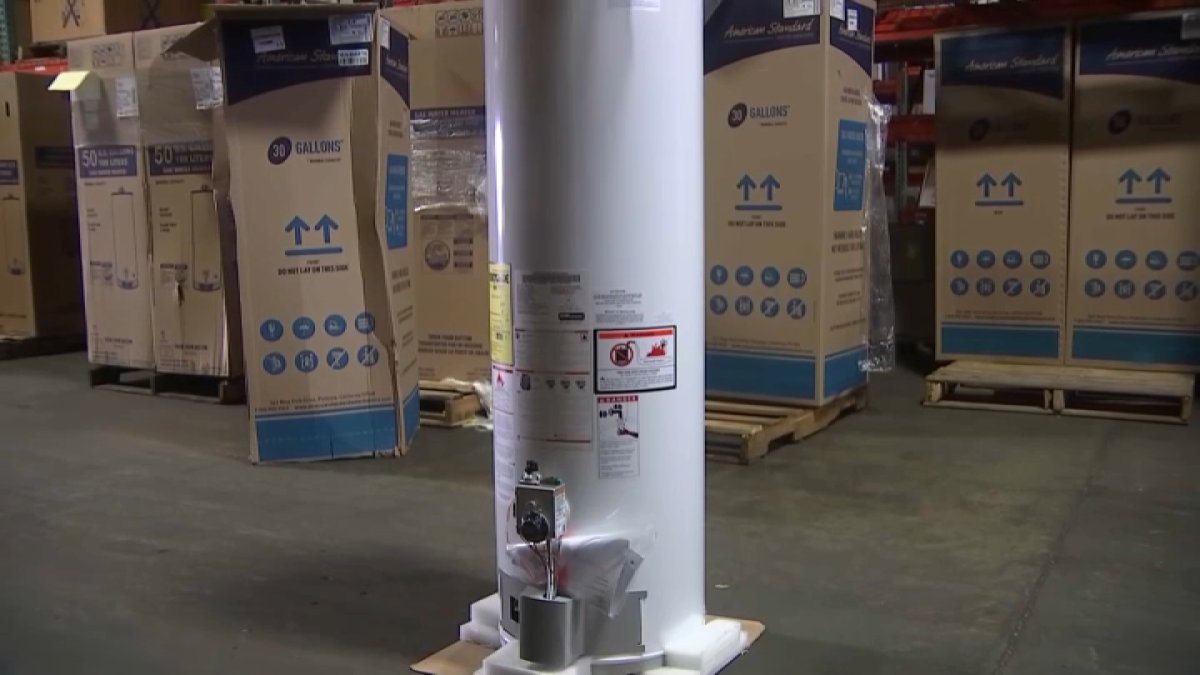
San Francisco Bay Area air regulators are considering exemptions and affordability flexibility for rules that would phase in zero-NOx water heaters, which from 2027 would be the only units sold or installed. The new heaters are expected to cost about $3,500 more than traditional models, while existing units can remain until they fail. A decision is expected in the fall after more than 100 public टिप्पणियां were heard.
The first-order market impact is modest, but the second-order effect is a compliance-driven demand cliff for incumbent gas appliance channels rather than a broad energy transition shock. The key is timing: because the rule only bites on replacement cycles, the initial effect is a slow bleed that becomes more visible in 2027-2029 as turnover accelerates; that favors firms with exposure to electrification installation and hurts legacy service/replace revenue in gas-heavy ZIP codes. The affordability carve-out debate matters because any exemption framework can materially shrink the addressable market and delay volume inflection for electrification suppliers.
The more interesting spillover is on contractors, distributors, and financing. A $3,500 installed-cost delta is large enough to keep a meaningful share of households in “repair rather than replace” mode, which increases service calls, extends the useful life of old units, and raises the probability of a future backlog when failures cluster. That typically benefits parts and repair ecosystems in the near term while delaying the earnings unlock for heat-pump water heater vendors and electrical contractors; if incentives don’t scale alongside regulation, adoption will likely remain concentrated in higher-income owner-occupied homes.
Contrarianly, the market may be underestimating how much exemptions could blunt the policy’s near-term bite. If policymakers broaden hardship or affordability waivers, the headline regulation becomes more of a signaling event than a volume event for several years, which would cap upside for clean-tech beneficiaries and reduce downside for gas-appliance incumbents. The biggest risk to the long thesis is political pushback tied to housing costs: if replacement economics remain unfavorable, regulators may be forced to soften enforcement or delay implementation, turning this into a slow, noisy transition rather than an abrupt catalyst.
AI-powered research, real-time alerts, and portfolio analytics for institutional investors.
Request DemoOverall Sentiment
neutral
Sentiment Score
-0.05
