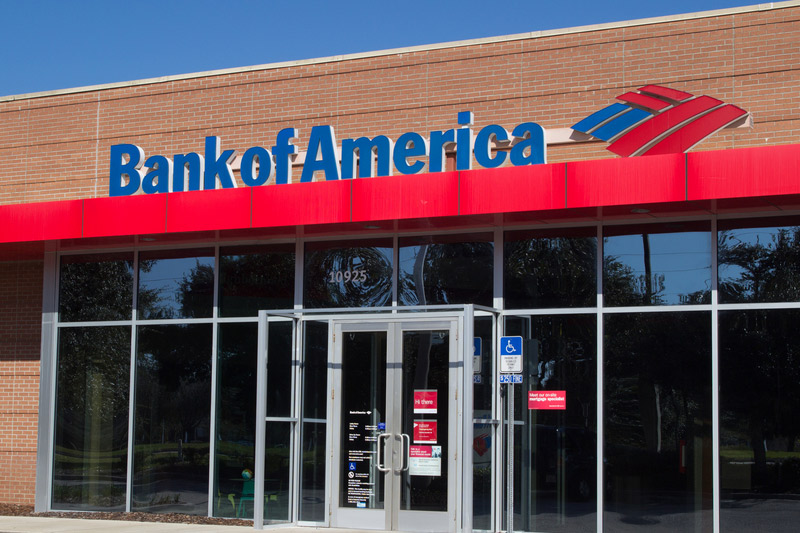
Paul V. Morris, a private wealth adviser at Merrill Lynch, has left the firm, though Bank of America declined to say when or whether the departure was tied to his references in Jeffrey Epstein-related DOJ files. The article says Morris previously worked at JPMorgan and Deutsche Bank and had contacts with Epstein’s assistant and accountant between 2017 and 2018. The news is primarily a personnel and reputational issue for Bank of America rather than a direct financial event.
The immediate market impact is less about direct earnings leakage and more about governance contamination. A personnel departure tied to legacy Epstein touchpoints keeps a slow-burn overhang on the large-bank complex, but the dispersion should be highest where private wealth, cross-border client onboarding, and reputation-sensitive UHNW flows matter most; that puts BAC and DB under a slightly larger multiple discount than JPM because they are more exposed to incremental reputational scrutiny without the same “systemic utility” premium JPM enjoys.
The second-order risk is not a legal earnings hit today but a client-retention and recruiting tax over the next several quarters. Wealth management is a franchise business: even a modest 1-2% slowdown in net new assets or advisor productivity can matter more to sentiment than direct fines, and it can compound if competitors use this to pitch cleaner governance and more stable controls to top producers and family offices.
Consensus may be underestimating how quickly these headlines fade unless they are tied to fresh document releases or formal investigations. That argues for trading the event as a headline-decay short rather than a structural short unless there is evidence of broader control failures; in that scenario the asymmetry shifts because repeated mentions can trigger internal compliance reviews, advisor churn, and board-level remediation costs that persist for 6-12 months.
The contrarian angle is that the most at-risk name on optics is not necessarily the most at-risk on fundamentals. JPM can absorb reputational noise better because of scale and depositor stickiness, while BAC’s wealth franchise is more vulnerable to incremental perception damage; DB remains the most fragile on headline sensitivity but also the most already-discounted, so the marginal downside from one more governance headline may be smaller than the market assumes.
AI-powered research, real-time alerts, and portfolio analytics for institutional investors.
Request DemoOverall Sentiment
neutral
Sentiment Score
-0.10
Ticker Sentiment
