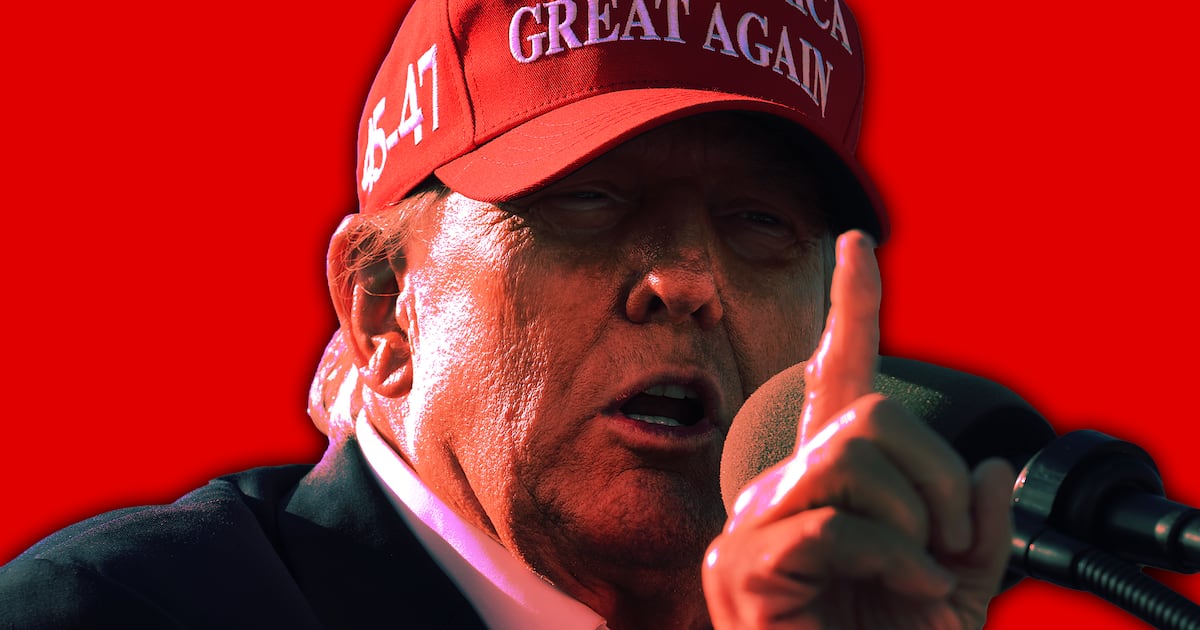
Trump issued renewed threats against Iran on Truth Social, warning that Iran should move quickly on a deal or “there won’t be anything left of them.” The remarks raise geopolitical tension and could increase volatility across energy, defense, and broader risk assets, especially given the proximity to a high-profile White House religious event and comments from senior administration officials.
This is less a pure geopolitics headline than a volatility regime signal: rhetoric like this raises the odds of a miscalculation premium being bid into crude, defense, and USD hedges over the next several sessions, even if there is no immediate kinetic follow-through. The market usually prices the first-order “risk of escalation,” but underweights the second-order effect that headlines of this severity tighten near-term implied vol in energy and airlines while improving the bid for defense primes and cyber names. If the administration is truly compressing the negotiation window, expect a fast repricing in assets sensitive to Gulf shipping and Middle East supply, with the biggest move likely in front-end oil options rather than spot.
The domestic angle matters because the messaging is simultaneously hawkish and politically performative, which increases headline frequency risk ahead of policy decisions. That tends to hurt any asset class that relies on stable policy signaling: refiners, airlines, chemicals, and emerging-market risk proxies should see higher correlation to Trump posts rather than fundamentals. Conversely, the more aggressive the rhetoric, the greater the probability of de-escalatory backchannel activity within days to weeks, which can create sharp mean reversion in crude and defense after initial spikes.
The key contrarian point is that the market may already be conditioned to discount Trump escalation language, but discounting works only until one headline affects actual logistics. The real tail risk is not immediate war; it is insurance, freight, and route pricing moving higher before sanctions or strikes do, which can quietly tax global growth and widen spreads. That makes the best risk/reward asymmetric in options, not outright beta, because the move can be large in the near term but vulnerable to reversal if a deal or clarification arrives.
AI-powered research, real-time alerts, and portfolio analytics for institutional investors.
Request DemoOverall Sentiment
strongly negative
Sentiment Score
-0.70
Ticker Sentiment
