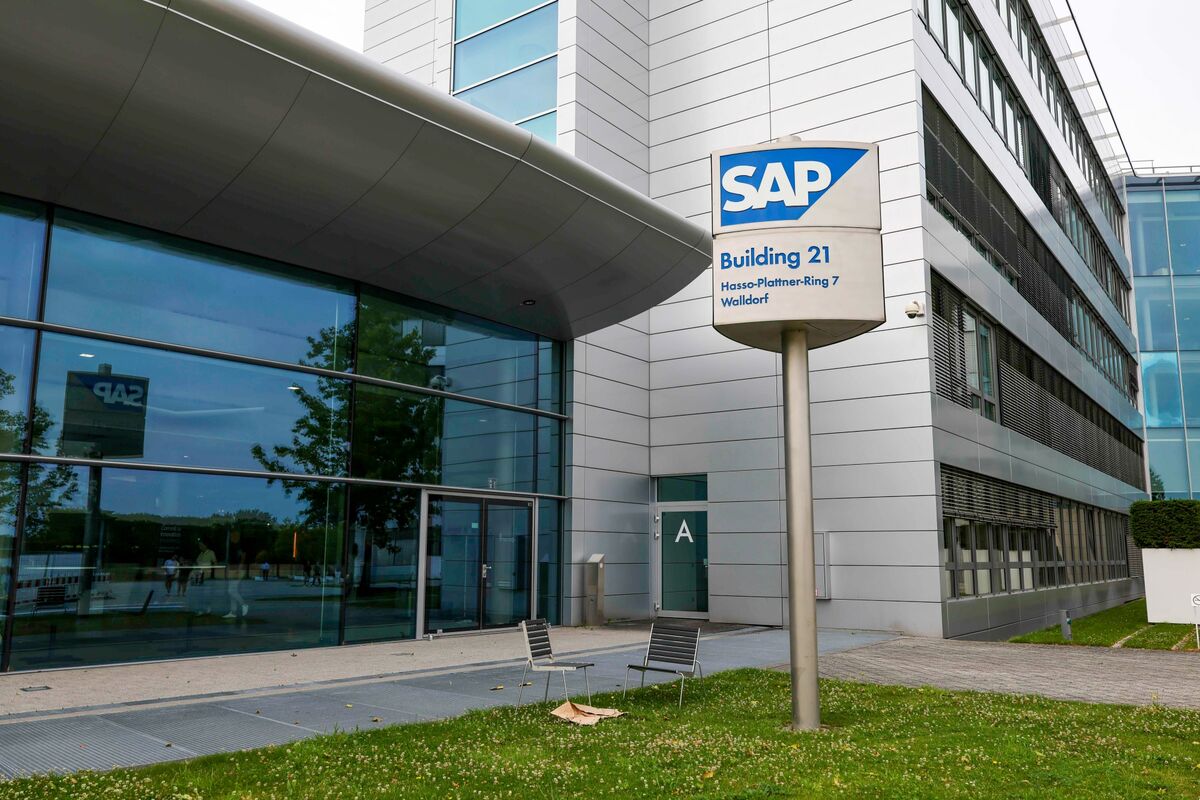
Supply-chain AI firm o9 Solutions has sued SAP SE in Dallas federal court, alleging three former o9 executives stole trade secrets related to the design, implementation and testing of o9's supply‑chain management software. Backed by KKR and General Atlantic and valued at $3.7 billion in 2023, o9's complaint raises legal and reputational risk for SAP and potential competitive implications for enterprise supply‑chain software providers pending litigation outcomes.
Market structure: Short-term winners are pure‑play supply‑chain AI and specialist vendors (e.g., Kinaxis KXS, Manhattan Associates MANH) that can pitch risk-averse customers; losers are SAP (NYSE: SAP) and adjacent systems‑integrators reliant on SAP IBP/Ariba deals because procurement/renewals could slow. Pricing power shifts are modest — if SAP faces injunctions or forced code rewrites, annual SaaS/license revenue could slip 2–5% in affected modules over 6–12 months, creating a window for specialists to capture incremental deals.
Risk assessment: Tail risks include a preliminary injunction halting sales of disputed modules (high impact, low probability) or a damages award in the high‑tens to low‑hundreds of millions that forces guidance cuts; immediate reaction is days, material contract churn is likely within 1–3 quarters, and litigation/resolution plays out over 1–3 years. Hidden dependencies: customer termination clauses, embedded IP in legacy code, and enterprise procurement cycles (often quarterly/annual) that can amplify revenue volatility.
Trade implications: Expect modest SAP volatility and credit spread widening — buy downside protection or short-dated put spreads rather than outright large shorts; consider relative longs in specialists with cleaner IP. Key catalysts: o9’s motion for preliminary injunction (look for filings in next 30–90 days), SAP earnings commentary (next quarterly report), and customer renewal notices.
Contrarian angle: The market often over-penalizes large incumbents for IP suits; many cases settle for <0.5% of market cap and product continuity maintained. If SAP stock falls >7% on preliminary headlines without an injunction, that is a tactical buy opportunity — litigation risk priced in may be greater than economic exposure given SAP’s diversified revenue base.
AI-powered research, real-time alerts, and portfolio analytics for institutional investors.
Request DemoOverall Sentiment
mildly negative
Sentiment Score
-0.30
Ticker Sentiment
