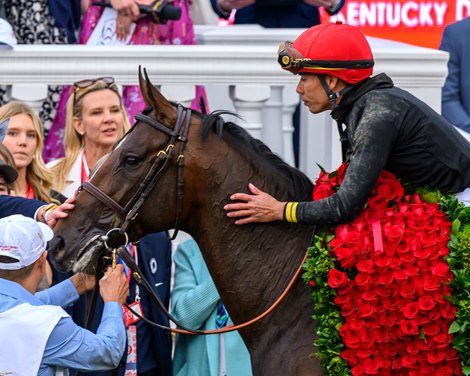
The article updates Preakness Stakes field composition, with 16 potential entrants listed for the 14-horse race and Kentucky Derby winner Golden Tempo still undecided pending training performance. Several Derby horses are being pointed to the Preakness, including Chip Honcho, Ottinho, Iron Honor, Napoleon Solo, and Crude Velocity, while Derby runners Renegade, Ocelli, and Chief Wallabee are leaning away from the race. Overall, it is a horse-racing field update with limited broader market relevance.
The immediate read-through for CHDN is less about one race and more about calendar scarcity. A field that is likely to be thinner than normal improves the economics of the Preakness as a standalone event: fewer proven names means lower competitive depth, but also a higher probability of a locally compelling story and more “anyone can win” narrative, which can support wagering handle even if national casual interest is softer. The bigger second-order effect is on Churchill’s spring ecosystem: every Derby connection that skips the Preakness leaves a larger gap between the first two jewels, increasing the market power of the Derby itself versus the rest of the Triple Crown and shifting media value toward Churchill’s May/early June shoulder periods rather than Pimlico/Laurel.
From a capital-markets lens, the key variable is not Preakness field size but whether this year’s Triple Crown storyline creates incremental on-track visitation or merely reallocates attention within the same betting dollars. CHDN benefits most if the absence of Derby horses boosts replay value and pari-mutuel churn without forcing meaningful marketing spend. The risk is that a thin, uncertain field reduces national TV engagement and off-track handle more than it supports local action, which would show up as a sequencing issue over the next 2-4 weeks rather than an immediate headline reaction.
The contrarian view is that a weaker Preakness can still be positive for CHDN if it reinforces the uniqueness of the Derby as the only must-watch spring event. In other words, dilution of the middle leg may strengthen Churchill’s premium brand by concentrating fan attention on the first Saturday in May and on the fall meet, while leaving the company’s core revenue engine untouched. The market may be overestimating the importance of Triple Crown continuity and underestimating how much value CHDN extracts from owning the opening act, not the middle one.
AI-powered research, real-time alerts, and portfolio analytics for institutional investors.
Request DemoOverall Sentiment
neutral
Sentiment Score
0.05
Ticker Sentiment
