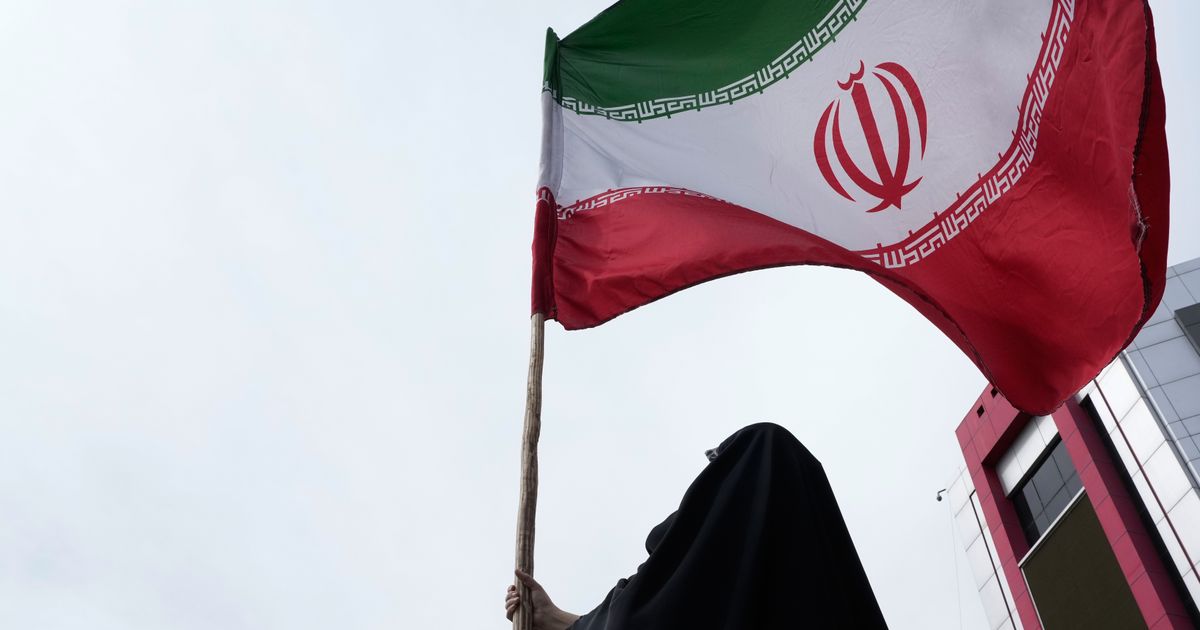
Ceasefire talks between the U.S. and Iran collapsed after Trump pulled his envoys from Islamabad, while tensions over the Strait of Hormuz, naval blockades, and Iranian ship attacks continue to escalate. Brent crude is nearly 50% above pre-war levels as global shipments of oil, LNG, fertilizer and other goods remain disrupted. The Israel-Hezbollah ceasefire is also under strain, adding to regional conflict risk and market volatility.
The market is being handed a classic escalation-without-resolution setup: the headline risk is less about a single failed meeting and more about a creeping hardening of positions that extends the disruption window. That matters because the pricing impulse in energy and freight typically lags the diplomatic failure by days to weeks, but the real earnings damage for consumers, airlines, chemical feedstock users, and maritime insurers compounds over one to two quarters as contracts reset and inventory buffers thin.
The second-order winner is not just crude producers; it is any balance-sheet that benefits from wider volatility and higher insurance premia. Gulf-linked logistics, tanker owners with low spot exposure, and defense primes should all see a “fear tax” embedded into forward guidance as rerouting, convoying, and higher security spend become semi-permanent. The bigger loser set is downstream: refiners, airlines, European industrials, and Asian import-dependent utilities face margin compression if Brent remains elevated, but the more important risk is volume destruction from persistent freight bottlenecks rather than simple input-cost inflation.
The contrarian point is that markets may be underestimating policy reversibility. If oil spikes hard enough to threaten U.S. inflation optics or credit stress in transport-intensive sectors, Washington has incentive to shift from coercion to a narrower deconfliction channel quickly, even if public rhetoric stays maximalist. That makes front-end volatility more attractive than outright directional exposure: the path dependency is likely to be sharp but not linear, with a high probability of headline-driven mean reversion if a backchannel reopens within 2-6 weeks.
The highest-probability trade is to own volatility and relative value, not chase beta. Energy can still grind higher, but the cleaner expression is long defense/energy infrastructure versus transport and downstream consumers, with a tactical bias to fade any one-day spike once the market prices in immediate supply risk but before physical disruption meaningfully worsens.
AI-powered research, real-time alerts, and portfolio analytics for institutional investors.
Request DemoOverall Sentiment
strongly negative
Sentiment Score
-0.75
