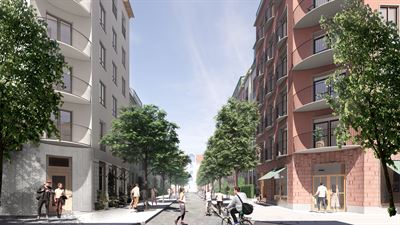
Skanska has acquired Tegelbruket 4 from Region Stockholm for about SEK 1.3 billion to develop two residential blocks (approximately 240 tenant-owned apartments) with underground garages, a c.6,200 sqm office building, and c.1,500 sqm of ground-floor commercial premises in central Kungsholmen. Preparatory work starts shortly, construction is expected to begin end-2026 with completion by 2032, and historic buildings on site will be preserved; the project emphasizes integration with the cityscape and biodiversity. The deal modestly expands Skanska’s central Stockholm development pipeline and underscores its sustainable urban development strategy alongside its scale (2024 revenue SEK 177 billion).
Market structure: Skanska’s SEK 1.3bn land buy in central Kungsholmen is a small-capital but high-IRR urban pipeline move that directly benefits Skanska (SKA‑B.ST), central Stockholm residential developers, premium finish contractors and local commercial leasing markets; smaller peripheral developers and speculative suburban land owners may be relatively disadvantaged as capital and demand concentrate in central nodes. This deal increases Skanska’s forward inventory by ~240 condos + 6,200 m2 offices, shifting short-to-mid term pricing power toward well‑located, mixed‑use projects where scarcity and regulatory barriers protect margins (expect 5–10% localized price premium vs outer suburbs over 3–5 years).
Risk assessment: Key tail risks are rapid Riksbank tightening (+100–200bps within 12 months) compressing buyer affordability, planning/regulatory reversals or preservation-related cost overruns on the historic buildings (loss of >SEK 200–500m value), and construction inflation spikes (>10% YoY) that erode expected returns. Short-term (days–months) effects are negligible for markets; medium term (6–24 months) presales velocity and financing spreads matter; long term (to 2032) value realization depends on sales absorption and cap rate movements. Hidden dependency: project returns hinge on presale rates >60% within 12 months of construction start and stable development finance spreads (<200bp premium over swaps).
Trade implications: Tactical long exposure to Skanska equity and selective Nordic homebuilders (JM.ST, NCC‑B.ST) is warranted with a 12–24 month horizon; prefer equities over high-duration Swedish property bonds. Use option structures to express directional exposure while capping capital at risk (buy-call spreads). Pair trades: long Skanska vs short less‑central developers to isolate central‑location premium. Monitor Riksbank decisions, Stockholm presale reports, and construction CPI monthly as catalysts that will materially reprice risk.
Contrarian angles: Consensus under-weights the value of preserved historic frontage as a marketing/price premium — properly executed, showroom-preservation can lift achievable condo pricing by 5–12% versus generic new builds. The market may underprice planning-risk upside: if Skanska receives fast approvals and presales >75% within 9 months of launch, shares could rerate by 20–30% ahead of construction completions. Conversely, overconfidence in delivery timelines (2032 completion) risks multi-year capital tie‑up; avoid assuming quick cash flow recognition.
AI-powered research, real-time alerts, and portfolio analytics for institutional investors.
Request DemoOverall Sentiment
mildly positive
Sentiment Score
0.30
