
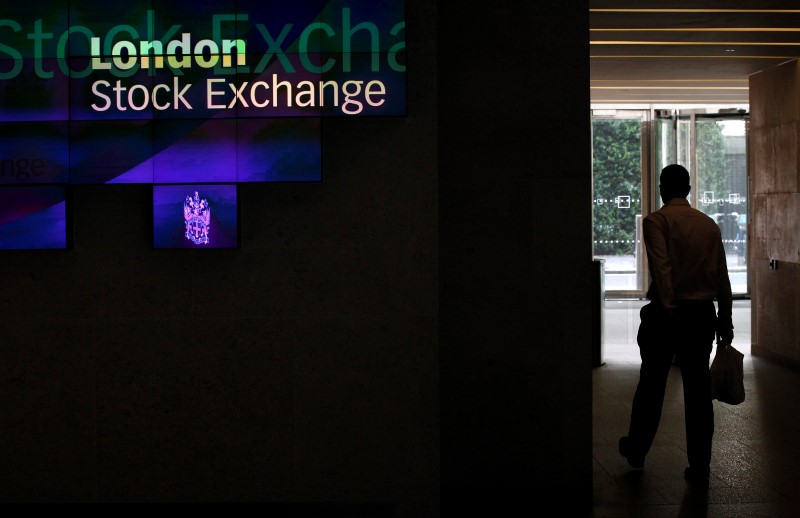
UK and European markets were mixed as Trump signaled the Iran conflict may be nearing an end, while FTSE 100 rose 0.2% and GBP/USD slipped 0.1% to 1.3554. On the corporate side, Rank Group raised full-year underlying operating profit guidance to at least £68 million, Saga returned to profit at £2.1 million, and Barratt Redrow reaffirmed fiscal 2026 completions of 17,200-17,800 homes. Offsetting positives, Hunting reported Q1 core earnings of $23.2 million, below the pace needed to hit full-year guidance, and Ferrexpo and Antofagasta posted mixed production updates.
The market is treating de-escalation in the Middle East as an immediate macro relief trade, but the bigger second-order effect is a squeeze lower in defensive risk premia rather than a clean growth boost. If the conflict shifts from kinetic risk to a managed freeze, the first beneficiaries are insurers, cyclicals with energy-input sensitivity, and GBP assets that had been carrying a modest geopolitical discount. That argues for a short-duration rally in UK domestic equities, but not a durable re-rating unless crude and freight volatility stay contained for several weeks.
The more interesting setup is in commodities and defense-linked names. A credible ceasefire would likely unwind part of the recent bid in energy-adjacent equities and pressure anything leveraged to sustained elevated capex or disruption, while industrial metals should remain comparatively resilient because the market is likely to separate Middle East headline risk from China/stimulus-driven demand. In that framework, copper-exposed names with idiosyncratic operational beats look better than oil/service beneficiaries whose earnings were implicitly helped by geopolitical optionality.
On the UK side, the most vulnerable are businesses exposed to consumer confidence and FX translation if GBP steadies and rate-cut expectations improve. The homebuilder read-through is subtle: lower tail risk around energy and shipping is bullish for margin visibility, but the trade is probably capped because mortgage affordability remains the binding constraint. Financials and asset managers with stable flows may outperform on lower volatility and better sentiment, while travel/leisure benefits are likely lagged and need a few weeks of realized calm before the market re-rates them.
The contrarian risk is that traders are extrapolating a headline truce into a durable normalization faster than policymakers can lock it in. Any renewed shipping incident, retaliation through proxies, or sign that the U.S. is still reinforcing military posture would re-price risk quickly over 1-5 trading sessions. So this is best viewed as a fade-the-panic, not a full risk-on regime change, until the market sees lower implied vol and tighter energy spreads for at least 2-3 weeks.
AI-powered research, real-time alerts, and portfolio analytics for institutional investors.
Request TrialOverall Sentiment
mildly positive
Sentiment Score
0.15
Ticker Sentiment
