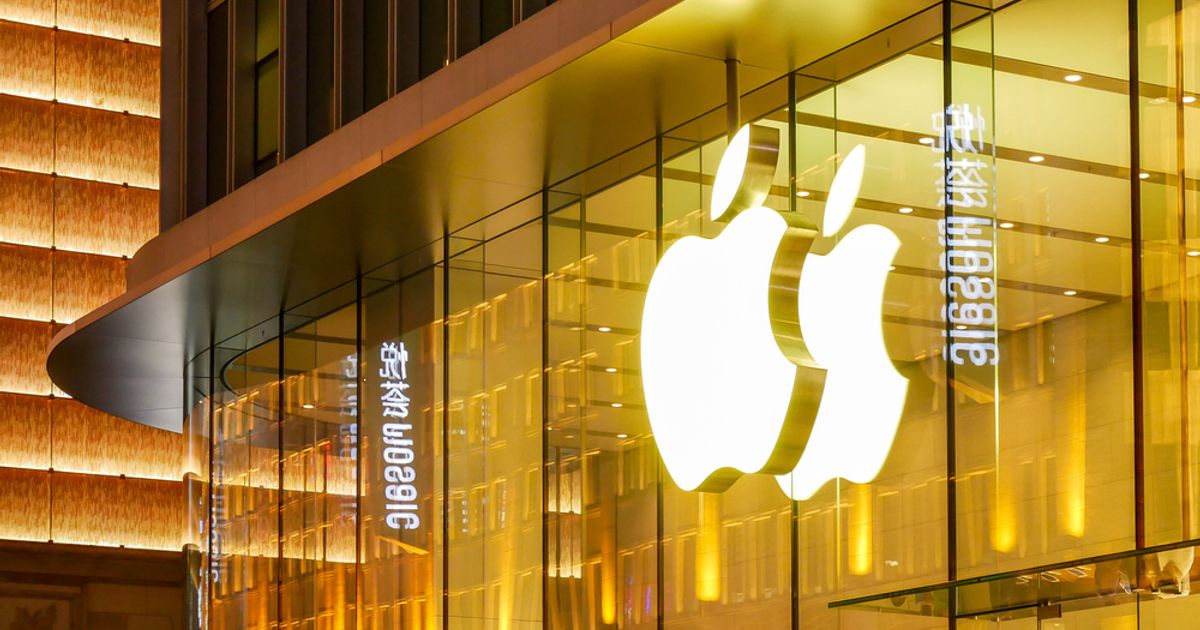
Wedbush reiterated an 'outperform' on Apple, calling it poised for an "AI-driven renaissance" as new on-device AI features expected across iPhone and Mac in 2026 could catalyse a product upgrade cycle given Apple's installed base of more than two billion devices. The note emphasizes services — now generating over $100 billion annually and forecast to grow at a double-digit pace — as a high-margin, recurring-revenue engine that, together with ongoing buybacks and dividends, supports the investment case despite manageable risks from regulatory scrutiny and softer China demand.
Market structure: Apple (AAPL) is the clear primary beneficiary — on-device AI plus services can raise ARPU and refresh rates, potentially adding mid-single-digit percentage points to iPhone unit growth and high-single-digit to low-double-digit ARPU growth over 12–24 months. Winners also include TSMC (TSM) and mobile silicon/IP supply chain nodes; losers are mid/low-tier Android OEMs and ad-dependent incumbents if Apple redirects user attention and spend. Cross-asset: stronger buybacks/supportive free cash flow likely compresses AAPL credit spreads, caps equity implied volatility around catalyst windows, and has limited FX impact aside from modest USD support on repatriated cash flows.
Risk assessment: Tail risks include adverse antitrust rulings (EU/US) that could force App Store changes, a >10% sustained China iPhone share loss, or a silicon supply shock at TSMC; any of these could trim EPS by >10% in a stressed year. Immediate (days–weeks) risks are event-IV spikes (WWDC rumors); short-term (months) risks center on WWDC execution and developer adoption; long-term (1–3 years) depends on sustained services monetization and regulatory outcomes. Hidden dependencies include on-device silicon performance, battery/thermal limits, and developer ecosystem adoption — second-order effects could be higher warranty/returns or slower ARPU lift.
Trade implications: Tactical: accumulate a core long AAPL position ahead of WWDC (scale into 2–4% portfolio weight by June 2026) with a 12-month target of +12–20% and hard stop at -8%. Use capped-cost options: buy 3–6 month call spreads sized to 0.5–1.0% portfolio to capture WWDC and initial feature rollouts while selling higher strikes to finance. Pair trade: go long AAPL and short GOOGL (equal notional 0.5–1% portfolio) over 6–12 months to express consumer-AI monetization vs ad-revenue cyclicality.
Contrarian angles: Consensus may underweight China downside and overstate seamless services monetization — regulators could limit payment/commission flows, capping services margin expansion to mid-single-digits vs bullish double-digit assumptions. The market may also underprice battery/thermal and dev-adoption execution risks; if WWDC demos disappoint, expect a 10–15% repricing within weeks as IV resets. Historical parallel: past iPhone-driven refresh cycles delivered multi-quarter outperformance but only after clear hardware+software proof points; absent those, upside is conditional, not free.
AI-powered research, real-time alerts, and portfolio analytics for institutional investors.
Request DemoOverall Sentiment
moderately positive
Sentiment Score
0.60
Ticker Sentiment
