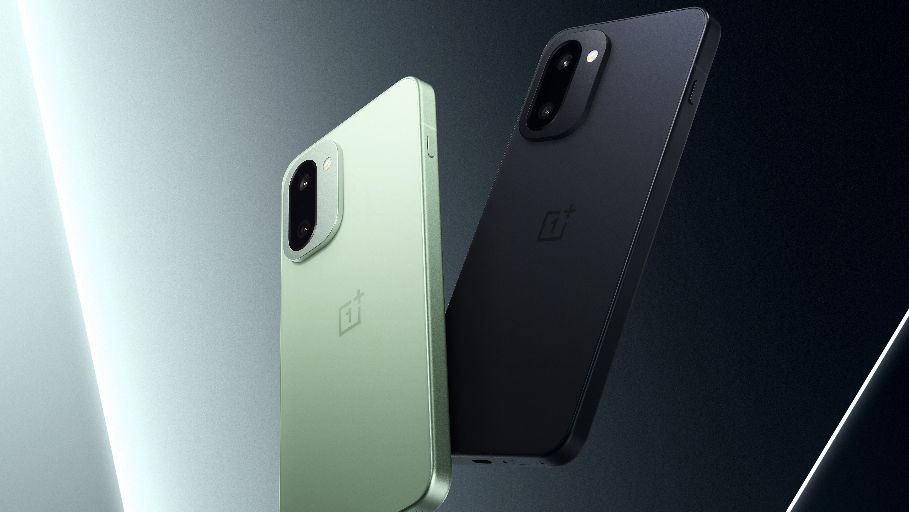
OnePlus unveiled the OnePlus 15R, a mid‑to‑high-end handset featuring a 7,400mAh battery with 80W charging, a 6.83-inch 165Hz AMOLED display, Snapdragon 8 Gen 5, 12GB RAM and 256/512GB storage tiers priced at $699.99/$799.99; pre-orders are open with sales starting January 15. The company also launched the OnePlus Pad Go 2 tablet and OnePlus Watch Lite, signaling a bundled product push; the 15R undercuts the flagship OnePlus 15 on price while offering competitive battery and display specs, which could strengthen OnePlus’s consumer positioning but is unlikely to meaningfully move financial markets.
Market structure: OnePlus' 15R (sub-$800, flagship specs) tightens pricing at the high-mid segment and directly benefits component suppliers (Qualcomm for Snapdragon variants, MediaTek for tablets, AMOLED and high-capacity battery makers). Expect modest ASP pressure of ~3–7% in the $500–$900 band over the next 6–12 months as other OEMs match specs to defend share, favouring suppliers over premium-brand OEM margins. Inventory/supply signals: larger cells and 80W charging imply incremental battery and PMIC demand (+5–10% unit demand for high-capacity cells in Q1–Q4 2025 versus a baseline).
Risk assessment: Tail risks include a battery-safety recall (1–3% probability) or geopolitical export curbs on Chinese OEM components that could disrupt supply chains and spike spot prices for chips/assemblies; either event would re-rate suppliers and OEMs within weeks. Time horizons: immediate pre-order promotional uplift (days–weeks), competitive pricing effects materialize in 3–12 months, structural share shifts over 12–36 months. Hidden dependencies: bundling promos can mask underlying sell-through; watch carrier-channel inventory metrics for true demand.
Trade implications: Direct plays: suppliers and chipset makers should be primary longs (QCOM, 2454.TW, 0669.HK exposure) while premium-ASP OEMs (AAPL) face sideways-to-down risk in midterm. Use 6–12 month call spreads on QCOM and outright small equity positions in MediaTek (2454.TW) sized 0.5–1% each; hedge portfolio downside with tight AAPL put spreads sized 0.25–0.5%. Sector rotation: shift 2–4% from large-cap handset OEM exposure into components and battery/display names over next 3–9 months.
Contrarian angles: Consensus understates the outsized impact a competitively priced, spec-rich handset can have on global ASPs — recall OnePlus 2014–2016 pressure that reduced mid/high ASPs 5–10% in 12 months. Reaction may be underdone for suppliers (upside) and overdone for flagship OEM defensibility; unintended consequences include accelerated carrier subsidy repricing and regulatory scrutiny of large batteries (could add certification costs of 1–2% to BOM). Monitor carrier inventory and EU/US safety notices as early indicators of trend acceleration or reversal.
AI-powered research, real-time alerts, and portfolio analytics for institutional investors.
Request DemoOverall Sentiment
mildly positive
Sentiment Score
0.25
