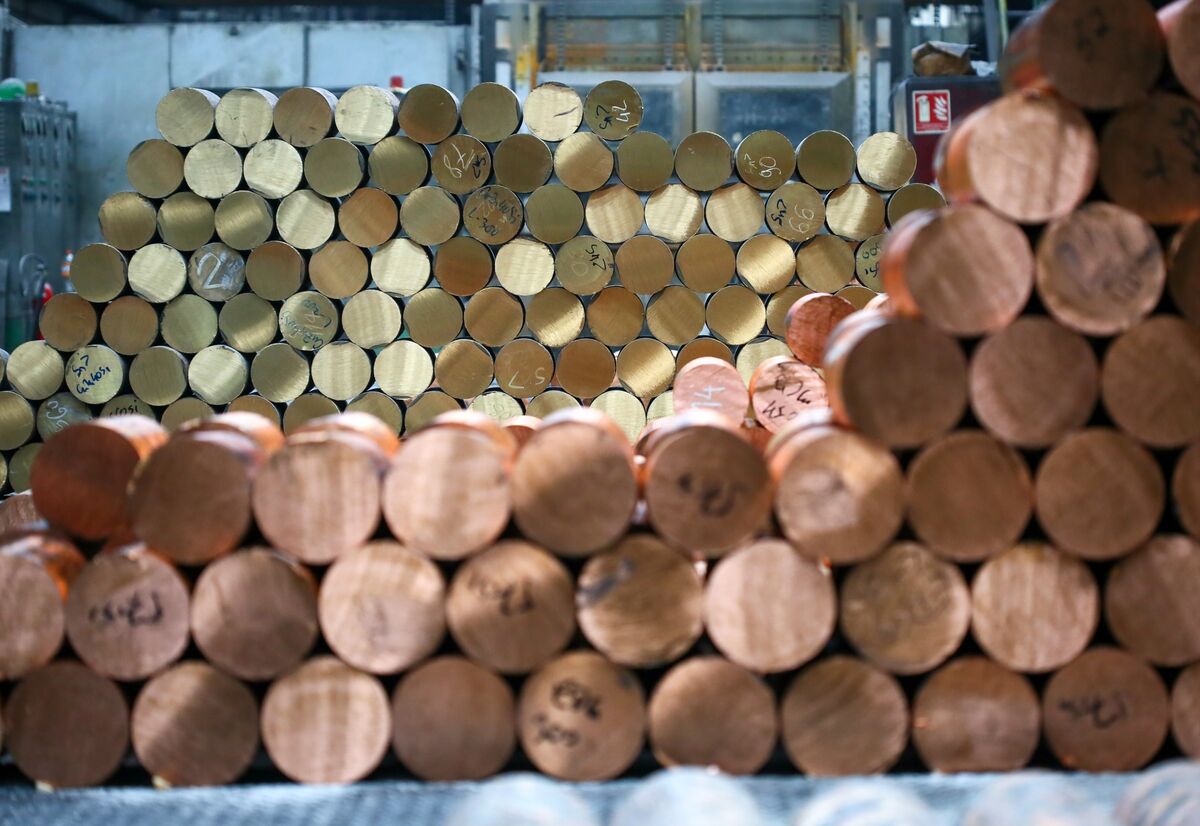
Former President Trump announced a 50% tariff on US copper imports, effective August 1, a measure significantly higher and sooner than anticipated. This protectionist move, following earlier threats that already spurred US copper price surges, aims to cultivate a dominant domestic copper industry, impacting sectors reliant on the metal like power, plumbing, and industrial machinery.
A 50% tariff on US copper imports, announced by former President Donald Trump and effective August 1, represents a significant and unexpectedly aggressive escalation in trade policy. This levy, which is both higher and arriving sooner than anticipated, is poised to further inflate domestic copper prices, which have already surged since the initial tariff threats emerged in January. The policy's explicit goal is to bolster the US copper industry, but it will create immediate cost pressures for key downstream sectors heavily dependent on the metal, such as power networks, plumbing, and industrial machinery. The market's reaction, reflected in the positive sentiment for the leveraged copper ETF (CPXR), anticipates higher domestic prices. In contrast, the negative sentiment for the Global X Copper Miners ETF (COPX) signals concerns over potential disruptions to global trade flows and negative impacts on non-US producers, highlighting the protectionist measure's divisive effect on the broader industry.
AI-powered research, real-time alerts, and portfolio analytics for institutional investors.
Request DemoOverall Sentiment
mixed
Sentiment Score
-0.20
Ticker Sentiment
