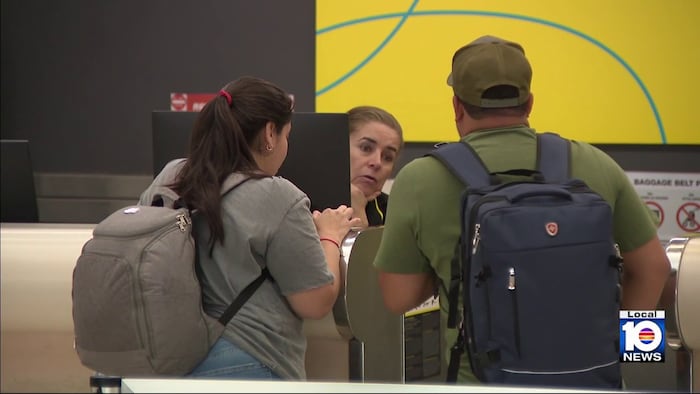
Spirit Airlines may cease operations after failing to secure support from key bondholders and the U.S. government for a bailout plan, putting nearly 20,000 jobs at risk. The shutdown would strand passengers, force refunds or statement credits for ticket holders, and likely push fares higher on competing carriers; Business Insider cited an average $19, or 14%, fare increase on routes Spirit exited. The news is negative for Spirit, its employees, and consumers, and could modestly lift pricing across the low-cost airline sector.
A Spirit shutdown would be a fast, not gradual, shock to domestic pricing because ULCC capacity is disproportionately concentrated on discretionary leisure and VFR routes where price elasticity is highest. The first-order winner is every carrier with overlap on Spirit-heavy city pairs, but the bigger second-order beneficiary is network airlines’ unit revenue: when the cheapest anchor disappears, the entire fare ladder resets upward, and legacy carriers can widen yields without adding much incremental capacity.
The market is likely underpricing how sticky that benefit can be. Even if some Spirit demand migrates to other carriers, the replacement seat cost is structurally higher because the surviving capacity comes from airlines with less incentive to undercut one another; that can preserve elevated fares for multiple booking cycles rather than just a few weeks. The biggest losers are not just Spirit employees and bondholders, but also airports and local service ecosystems that relied on high-frequency, low-yield traffic to keep gates full and ancillary spend flowing.
The key catalyst window is days to weeks: a formal liquidation or abrupt grounding would create immediate re-pricing in leisure travel, while a last-minute rescue would likely trigger a violent mean reversion in short-dated volatility across airline equities and credit. The contrarian risk is that regulators or policymakers force a bridge solution, which would cap the fare-reset thesis and turn this into a classic event-driven squeeze in the more crowded airline longs. The best asymmetry is in short-dated optionality around route-exposed carriers because the downside from a rescue is limited to premium paid, while the upside from capacity removal is broad and swift.
AI-powered research, real-time alerts, and portfolio analytics for institutional investors.
Request DemoOverall Sentiment
strongly negative
Sentiment Score
-0.82
