Oppenheimer said used equipment inventories declined in May across agriculture, construction, and trucks, with used tractor inventories down 20.3% year-over-year, excavator inventories down 14.2%, and total truck inventories down 27.1%. Pricing trends were mixed: tractor asking prices fell 1.5% year-over-year, excavator asking prices fell 3.3%, while truck asking prices rose 0.8% month-over-month but were still down 2.4% year-over-year. The report suggests a softer used-equipment market with tighter spreads in tractors and excavators, but widening truck spreads.
The cleanest read-through is that secondary equipment markets are still normalizing, but the mix matters more than the headline. The sharp year-over-year contraction in mid-range ag and medium-duty truck inventories signals OEMs and dealers are still working through prior-cycle excess rather than entering a fresh demand recession; that usually supports replacement demand later, but only after price discovery finishes. The widening spread in trucks versus the tightening spread in excavators suggests the market is less uniform than it looks: trucking retains better auction liquidity, while construction resale is becoming more price-efficient, which tends to favor disciplined fleet operators over speculative buyers.
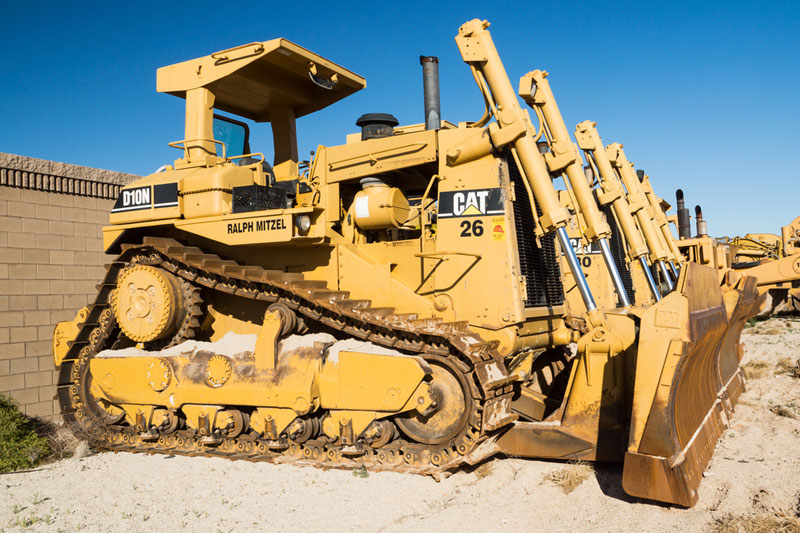
For CAT, this is mildly constructive at the margin but not enough to chase the stock on its own. Lower used inventory in excavators improves the odds that new-machine demand can stabilize before pricing power gets meaningfully compressed, yet declining asking and auction prices indicate dealers are still under pressure to clear the channel. The more important second-order effect is on rental fleets and used-equipment resellers: if spreads stay tight, they lose pricing leverage and may slow purchases, which can delay a broader industrial restock even if end demand holds.
The contrarian point is that the strongest signal here is not recovery, it is capitulation in legacy inventory. That usually precedes a better setup 1-2 quarters later, but the next leg is often choppy because a small demand miss can still force another round of markdowns. The risk to the bullish interpretation is macro: if freight volumes, farm income, or construction starts roll over simultaneously, these inventory declines become a symptom of demand destruction rather than balance-sheet cleanup.
AI-powered research, real-time alerts, and portfolio analytics for institutional investors.
Request DemoOverall Sentiment
neutral
Sentiment Score
-0.10
Ticker Sentiment
