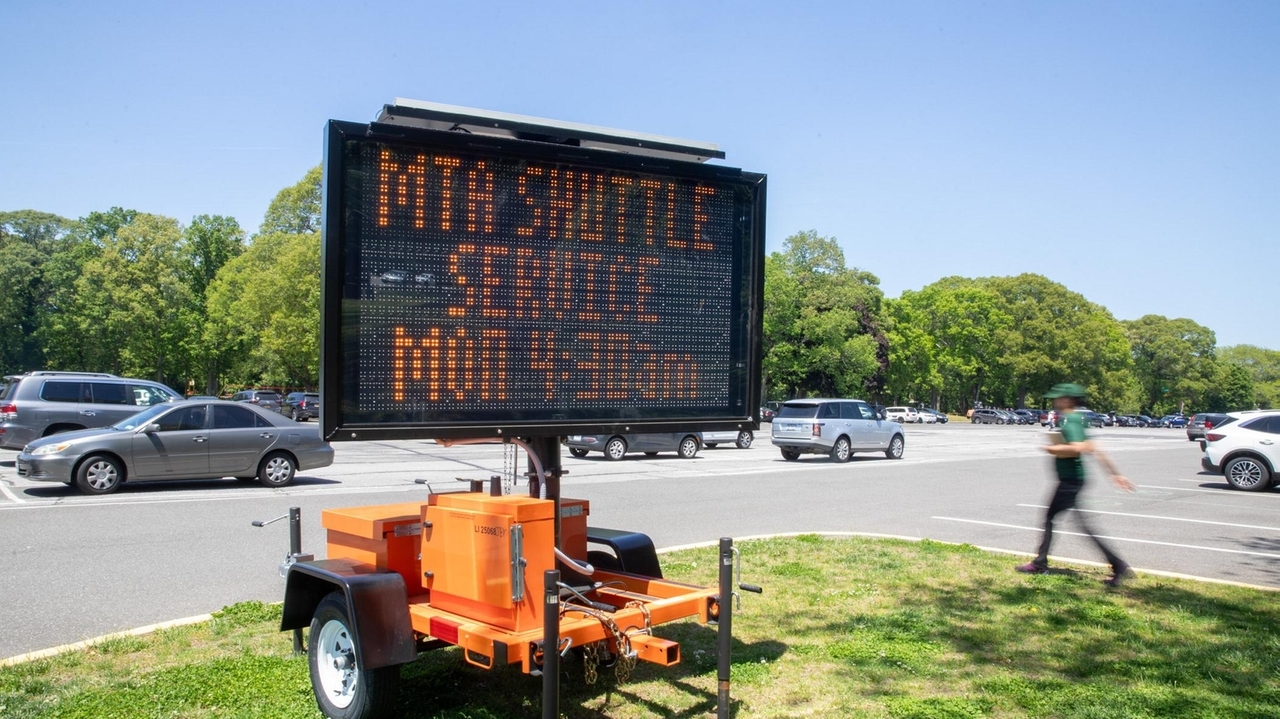
The LIRR strike has halted weekday rail service, forcing commuters onto shuttles, buses and roads, with AAA warning of "gridlocks like we’ve never seen before." The dispute centers on 2023-25 wage gains already agreed at 3%, 3%, and 3.5%, but a 2026 raise remains unresolved, with unions seeking 5% and the MTA warning of higher fares, taxes or service cuts if costs rise further. Near-term disruption is concentrated in Long Island transit and commuting patterns rather than broad financial markets.
The immediate market impact is less about the transit operator itself and more about the forced redistribution of commuter behavior. A multi-day rail outage creates a short, sharp demand shock for parking, rideshare, fuel, and nearby retail, while penalizing discretionary foot traffic in Manhattan and Long Island CBDs; the second-order effect is that “work-from-home” becomes a near-term productivity hedge that may outlast the strike if employers discover lower-friction hybrid patterns.
The key underappreciated variable is congestion elasticity. Once road travel times cross a threshold, incremental commuters stop substituting rail with driving and instead shift to trip deferral, employer concessions, or mixed-mode commuting, which caps the upside to gasoline volumes and local transit substitutes. That means the biggest beneficiaries are likely not broad transport names, but high-frequency local service providers with pricing power and low marginal-cost utilization: parking operators, app-based ride hail, and selected fuel retailers in Nassau/Suffolk corridors.
For NICE, the strike is a short-duration utilization spike, but the market should not extrapolate it into a durable earnings reset. The more durable trade is political: if the disruption persists into Memorial Day and high-visibility sports/event weekends, pressure rises on Albany and the MTA to concede faster, which would make any congestion premium in local transport names fade abruptly within days. For the broader MTA complex, the fiscal overhang matters more than the operational one: a larger wage settlement raises the odds of higher future fares or service cuts, both of which are longer-cycle negatives for ridership and revenue quality.
Consensus is likely overpricing the symbolic severity of the strike and underpricing the speed with which commuters adapt. If driving conditions deteriorate enough, the negative externality shifts from rail to roads, but that also means the economic pain diffuses rather than concentrates, reducing the probability of a lasting earnings surprise outside a narrow set of local beneficiaries.
AI-powered research, real-time alerts, and portfolio analytics for institutional investors.
Request DemoOverall Sentiment
moderately negative
Sentiment Score
-0.45
Ticker Sentiment
