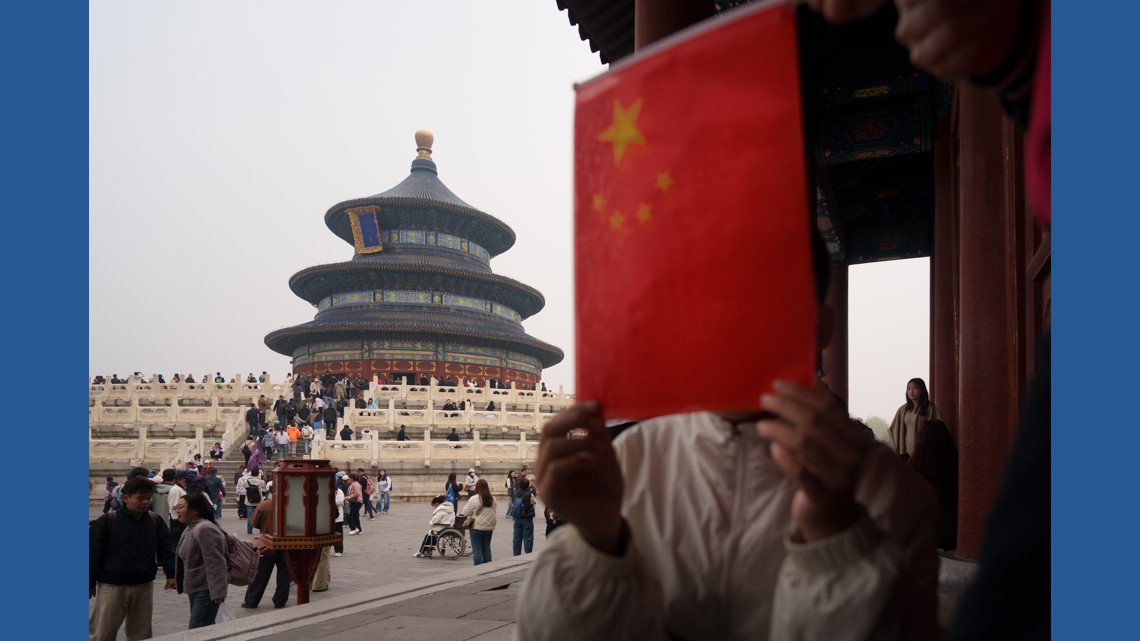
RightsCon 2026 was canceled in Zambia after Access Now said the host government moved to exclude Taiwanese participants under pressure from China. The conference had been expected to draw more than 2,600 in-person attendees and 1,100 online participants from over 150 countries. The episode highlights China’s influence in Africa and adds to ongoing tensions over Taiwan’s international space, but it is unlikely to have direct market impact.
This is less a single-event human-rights story than another data point confirming that China can still translate diplomatic leverage into operational friction across Africa. The market implication is not direct revenue loss for any listed company, but a higher expected probability that cross-border conferences, NGO convenings, and tech-policy forums will be forced to self-censor or migrate to more geopolitically neutral jurisdictions. That shifts a small but real pool of spending toward Singapore, Dubai, South Africa, and Hong Kong-adjacent venues while reducing the attractiveness of frontier African capitals for internationally networked technology events.
The second-order effect is reputational and regulatory: governments seen as pliant to external pressure become less reliable hosts for digital-policy gatherings, which can slow the buildout of local tech ecosystems that depend on those convenings for deal flow, talent migration, and policy signaling. For Zambia specifically, the downside is not macro in the near term, but it reinforces a country-risk premium around rule-of-law and policy independence that can matter for frontier debt spreads over months, not days. More broadly, this is consistent with a world where China’s influence increasingly shows up through venue selection, permit risk, and travel rights rather than overt sanctions.
The consensus may understate how little this needs to happen before organizers adapt permanently. One high-profile cancellation can alter routing decisions for years because event planners optimize for certainty, not just cost, and they will front-load that learning into future contracts. The reversal case is straightforward: if the host government publicly clarifies rules, guarantees non-discrimination, and absorbs the diplomatic blowback, this specific event risk fades quickly—but the broader structural premium on neutral venues remains.
AI-powered research, real-time alerts, and portfolio analytics for institutional investors.
Request DemoOverall Sentiment
mildly negative
Sentiment Score
-0.20
