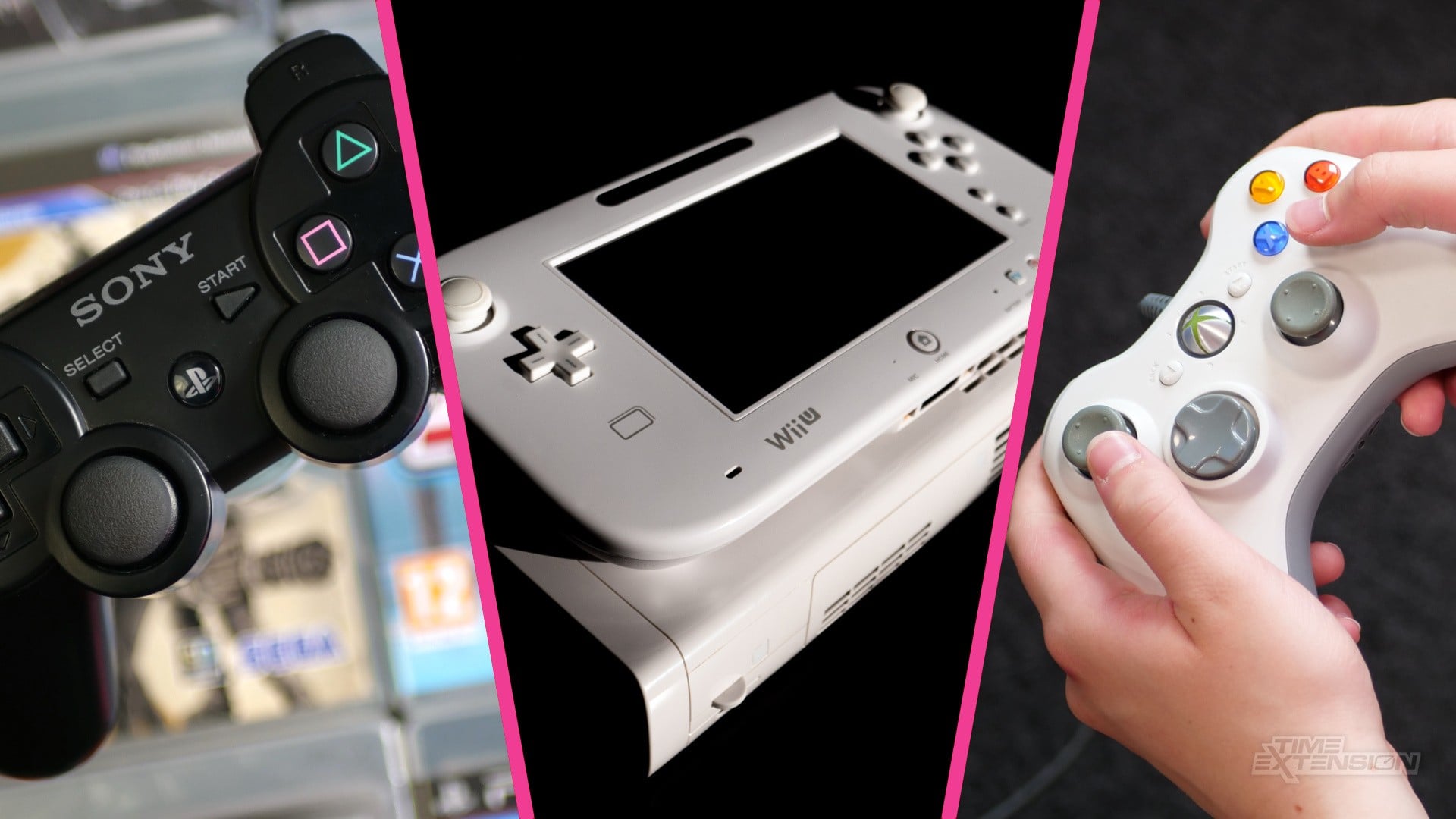
GameStop is running a 'Retro Trade-In Bonus' from today through March 21, offering an extra 10% trade credit on Wii U, Xbox 360, PS3 and other older consoles, games, and accessories. The retailer will also accept defective retro consoles (non-operable or missing accessories) provided they power on; this is a marketing promotion likely to modestly increase store traffic among older gamers but with negligible near-term financial impact.
This is a low-cost traffic-driving promotion with leverage concentrated on used-hardware flows rather than new-product demand. Expect a concentrated bump in foot traffic and trade-in volume over the 1–3 week promo window that will temporarily inflate used inventory on balance sheet and ecommerce listings; model sensibly for a 15–30% incremental trade-in volume and a 5–12% near-term decline in used-console ASPs from increased supply. Because GameStop monetizes used inventory with outsized gross margins vs. new hardware, a modest attach-rate lift (1–3 percentage points) on accessories/digital cards could convert the promo into positive incremental gross profit even if some lower-value units require refurbishment or markdown.
Second-order effects: increased acceptance of non-operable or cosmetically challenged units shifts downstream economics to refurbishers and reverse-logistics partners, raising variable costs (R&D of repair processes, warranty churn) and creating negotiating leverage for third-party refurb vendors. The broader secondary-market price signal matters — if platform listings (e.g., open marketplaces and auction sites) see a 10% supply-driven price fall over 90 days, independent sellers will accelerate sell-offs and compress margins for everyone. Competitors with omnichannel returns (big-box retailers, online marketplaces) can neutralize the bump by matching credit, compressing GameStop’s short-term advantage.
Key timing: days–weeks for foot-traffic and social buzz, 1–3 months for observable ASP compression and inventory-day changes, and 2–4 quarters to tell if CRM/data-capture converts this into repeat customers. Reversal triggers include weak attach rates, rising refurbishment costs that push used gross margins negative, or a competitor response that nullifies exclusive traffic benefits.
AI-powered research, real-time alerts, and portfolio analytics for institutional investors.
Request DemoOverall Sentiment
neutral
Sentiment Score
0.08
Ticker Sentiment
