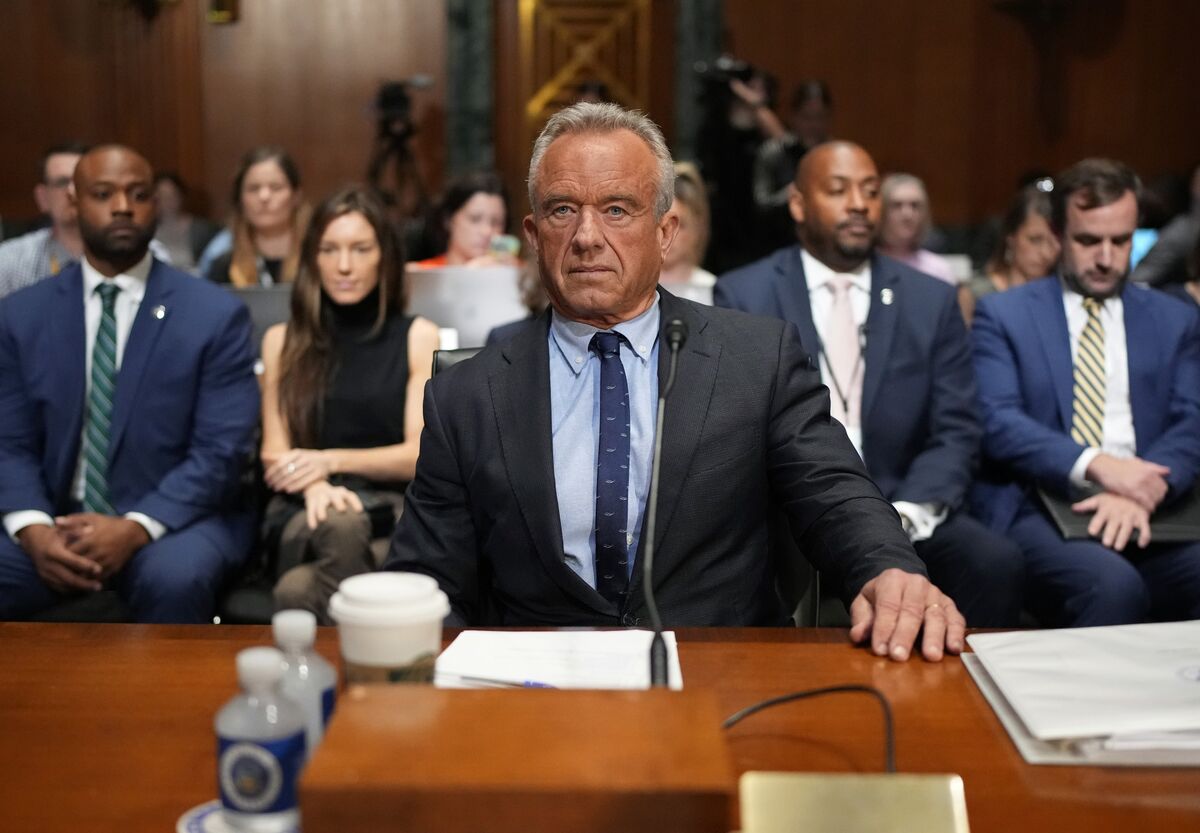
Event: HHS Secretary Robert F. Kennedy Jr. has publicly stopped discussing vaccine skepticism after an internal memo directed a low-risk messaging strategy ahead of the midterm elections. The shift—apparent at CPAC and across recent podcasts—reduces a potential political flashpoint but is unlikely to have material market impact; monitor healthcare-political headlines for any sector-specific volatility.
The administration’s tactical silencing of a high-profile, historically vaccine-skeptical official is a near-term de-risking event for large-cap, broad-exposure healthcare names: it should reduce headline-driven flow into and out of vaccine-adjacent small caps over the next several weeks to months, compressing idiosyncratic IV and narrowing bid/ask spreads for large-cap pharma and payors. That compression is likely concentrated in names with explicit COVID/vaccine narratives — expect measured volatility relief (relative IV down mid-to-high-single digits) over a 1–3 month window if the messaging discipline holds.
A less obvious second-order consequence is a reallocation of media and policy pressure toward behavioral-health and addiction narratives, which can accelerate reimbursement conversations (Medicaid/Medicare carveouts, parity enforcement) and selectively benefit telehealth and specialty SUD (substance-use disorder) providers. This creates asymmetric opportunities: winners are diversified payors and large-cap pharmas with psychiatry franchises; losers are small consumer-health platforms whose valuation relies on activism-driven traffic and controversy-driven short-term volume.
Tail risks are concentrated and time-boxed: a leaked memo, a sudden reversion to high-controversy messaging, or an unrelated scandal could re-introduce headline volatility within days and blow out IV. Key catalysts to monitor over the next 1–6 months are campaign calendars, HHS policy briefs, hearings on mental-health funding, and any re-emergence of vaccine-specific regulation; a sustained calm through the election window materially lowers political-regulatory premium in healthcare equities, but post-election positioning could reverse quickly if narratives change.
AI-powered research, real-time alerts, and portfolio analytics for institutional investors.
Overall Sentiment
neutral
Sentiment Score
0.00
