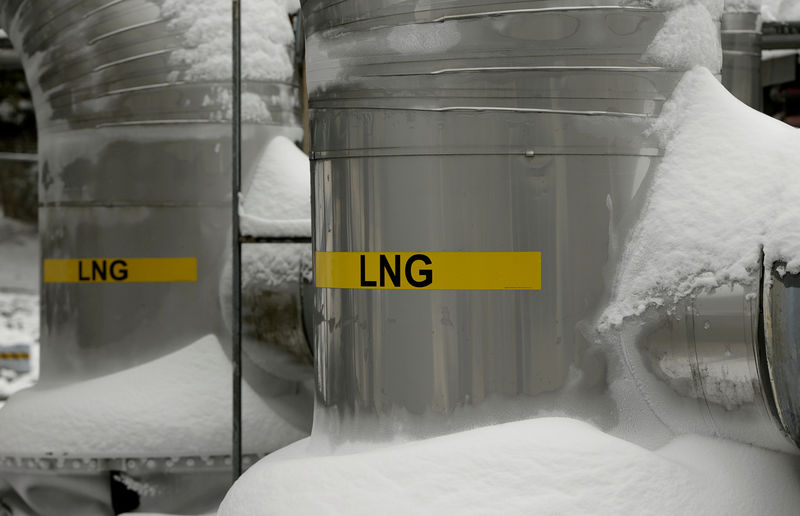
A brokered U.S.-Iran interim peace deal sent European natural gas prices sharply lower, with Dutch front-month gas at 33.36 per MWh and British gas down 6% to 106.17 pence/therm, both at more than one-month lows. The accord is set to cease hostilities and reopen the Strait of Hormuz, while EU gas storage remains relatively tight at 44.34% full versus 53.02% a year ago. The geopolitical easing is broadly risk-on for markets and relieves some inflation pressure through lower crude and gas prices.
The immediate market read-through is a cleaner inflation impulse rather than a durable earnings shock: lower oil and gas should mechanically ease forward headline CPI expectations, which supports duration-sensitive equities and compresses volatility. The deeper second-order effect is that Europe’s energy stress premium gets repriced lower at the front end, but the structural storage deficit means this is more of a seasonal breathing room than a solved supply problem; that argues for a sharp move in prompt contracts but a much smaller move in deferred contracts.
The biggest beneficiaries are not just consumers but any asset class crowded on the “higher-for-longer inflation” trade. Less energy pressure improves margin visibility for industrials and transports, while also taking some of the urgency out of defensive positioning in commodities. The second-order loser is implied volatility in energy-sensitive names: if traders had been leaning on geopolitical hedges, those hedges can be unwound quickly, creating a near-term overshoot lower in crude-linked equities and a mechanical rally in rate-sensitive growth.
The contrarian risk is that consensus may underprice how quickly this can mean-revert if implementation stalls, the signing slips, or shipping risk in the Strait of Hormuz reappears. In that scenario, the market has likely already moved on sentiment rather than physical balances, so a failed deal could cause a violent snapback in oil and gas within days. Over a 1-3 month horizon, the cleaner trade is not chasing the commodity itself but expressing the lower-volatility, lower-inflation regime through equities and rates proxies.
For the named AI winners, any relief in discount rates is more supportive than the headline oil move itself: growth-duration multiple expansion matters more than energy inputs. That makes the current setup favorable for high-beta software/AI leadership if the geopolitical calm holds, but also vulnerable to a reversal if inflation expectations re-widen and real yields back up.
AI-powered research, real-time alerts, and portfolio analytics for institutional investors.
Request DemoOverall Sentiment
mildly positive
Sentiment Score
0.45
Ticker Sentiment
