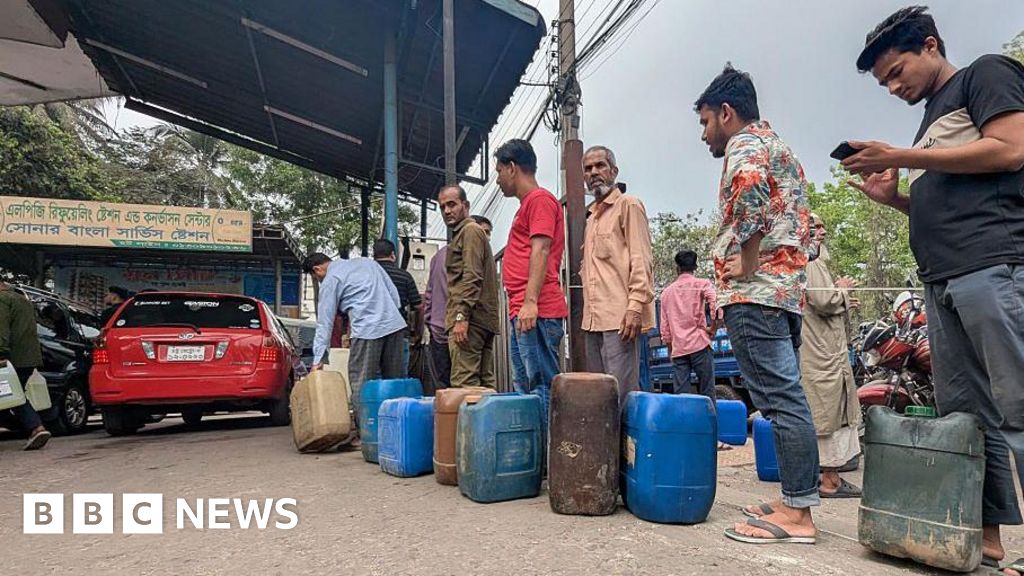
Oil has surged to ~$100/bbl (over a third higher) after the US-Israel war with Iran, with jet fuel up ~60% and diesel up ~60% in Vietnam month-on-month; the effective closure of the Strait of Hormuz (carries ~20% of global oil) is a key driver. Asia is most exposed (nearly 90% of oil/gas through the Strait was bound for the region last year); downstream constraints (refinery specs, food import dependence) and retail fuel caps/subsidies are emerging policy responses. Japan and South Korea will release strategic barrels under an IEA agreement; the US is relatively insulated by rising fracking output but faces export/infrastructure constraints, leaving a near-term global gas and oil supply shock.
Refinery configuration and shipping mechanics are the real choke points, not just barrel counts. Refineries built for high-sulfur Middle Eastern crudes face multi-year, capital-intensive upgrades (hundreds of millions → low‑billion per complex) to process alternative blends, which locks regional demand patterns and keeps differentials wide even if seaborne supply shifts. That structural stickiness favors sellers of compatible grades, freight owners (higher ton‑mile demand + war risk premiums) and storage plays over spot importers or retail fuel chains that face immediate margin compression.
In the near term (days→months) prices and freight will remain volatile as flows reroute and insurance premiums spike; contango and floating storage economics improve, creating an arbitrage window for owners of VLCCs and time‑charter capacity. Over 3–12 months the limiter is physical export capacity — US LNG and crude export ramps are real but gated by 12–36 month project lead times, so the market cannot instantly re-balance. Expect regional cracks: EM FX and manufacturing margins in Southeast Asia are vulnerable to sustained energy inflation, which raises default and policy‑intervention risk in 1–3 quarters.
Key reversals are diplomatic de‑escalation, coordinated SPR releases large enough to move the psychology of forward curves, or a rapid increase in tank/terminal availability that collapses freight and contango. Monitor three high‑frequency indicators for regime change: charter rates for VLCCs (weekly), LNG cargo tender volumes to non‑Gulf suppliers (biweekly), and sovereign stockpile releases across OECD (announcement cadence). These will lead price reversals faster than macro demand signals.
AI-powered research, real-time alerts, and portfolio analytics for institutional investors.
Request DemoOverall Sentiment
moderately negative
Sentiment Score
-0.60
Ticker Sentiment
