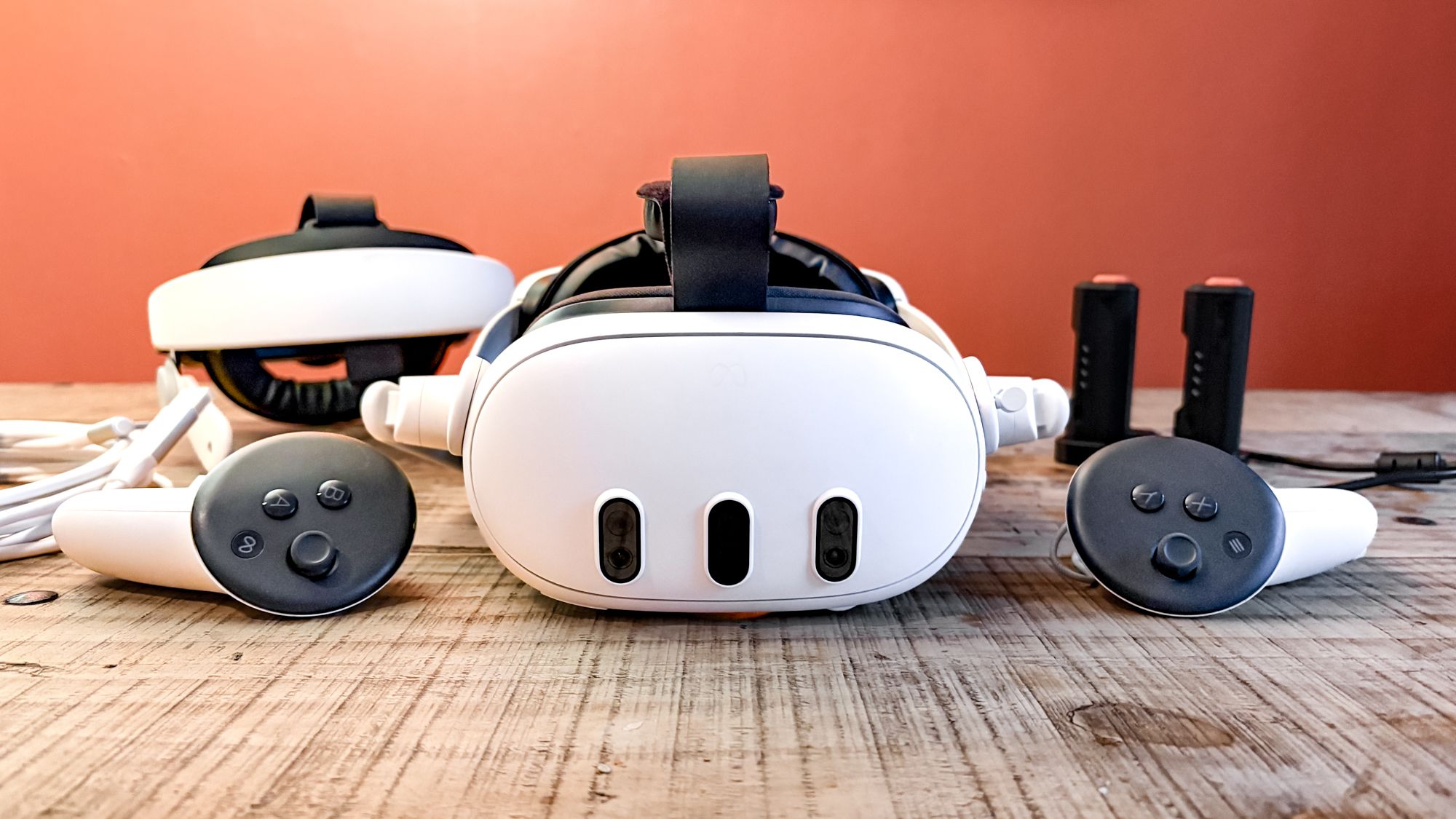
Meta Quest 3's content slate in 2025 demonstrated meaningful product momentum with highly rated releases including Marvel's Deadpool VR (Twisted Pixel), Reach (nDreams), Ghost Town (Fireproof), Deadly Delivery and Cave Crave, several of which are competitively priced (Reach ~$31; Ghost Town <$20; Deadly Delivery <$10). The strong critical reception and varied multiplayer/single-player offerings could boost headset engagement and software monetization for the Quest ecosystem, but the article contains no hard revenue, sales or adoption metrics and is unlikely to by itself move financial forecasts for public companies.
Market structure: Premium, story-driven VR releases (Marvel Deadpool VR, Reach, Ghost Town) disproportionately benefit Meta (META) by increasing Quest content quality, attach rates and potential ARPU from store/content sales; developers and engine providers (Unity) also gain, while console-first incumbents may see marginal share pressure in social/immersive segments. Pricing power shifts toward platform owners who can secure first‑party IP — expect a 3–9 month bump in paid content spend per active user if several blockbusters sustain engagement (>20% weekly retention). Cross-asset impact is small but pro-risk: modest positive pressure on growth tech equities and semiconductor demand (NVDA), limited direct effect on FX or commodities.
Risk assessment: Tail risks include renewed regulatory action against Meta (antitrust or privacy fines >$1bn), a content-monetization miss that keeps Reality Labs losses intact, or supply/software bugs that stall PC-VR compatibility; each could erase 10–25% of expected incremental value. Near-term (days–weeks) effects are sentiment-driven around holiday sales and reviews; medium-term (3–12 months) depends on reported Reality Labs revenue/ARPU; long-term (2–5 years) hinges on platform adoption curves — historical mobile-app adoption implies multi-year monetization. Hidden dependencies: developer pipelines, revenue splits, and Quest hardware discounts; catalysts include Meta quarterly results (Jan 2026) and official attach‑rate disclosures.
Trade implications: Direct actionable plays favor selective long exposure to META (capture platform monetization) and to NVDA (GPU demand for tethered/PC VR); prefer defined‑risk option structures (debit call spreads) over naked longs because upside should be gradual not binary. Pair trade: long META vs short SONY to express platform monetization vs console cyclicality over 6–12 months. Rotate portfolios toward Interactive/AR/semis and trim pure console/retail exposure.
Contrarian angles: Consensus focuses on hardware wins; market underprices multi-year content-led ARPU upside and overprices immediate Reality Labs cash burn — adoption historically lags (see mobile app market) and monetization can take 2–4 years to meaningfully shift valuation. Reaction may be underdone if Meta converts a few blockbusters into recurring franchises, but overdone if content costs spike and margins compress. Unintended consequence: more high‑cost exclusives could raise content spend and delay profitability, creating a near‑term squeeze despite long‑term platform gain.
AI-powered research, real-time alerts, and portfolio analytics for institutional investors.
Request DemoOverall Sentiment
moderately positive
Sentiment Score
0.60
Ticker Sentiment
