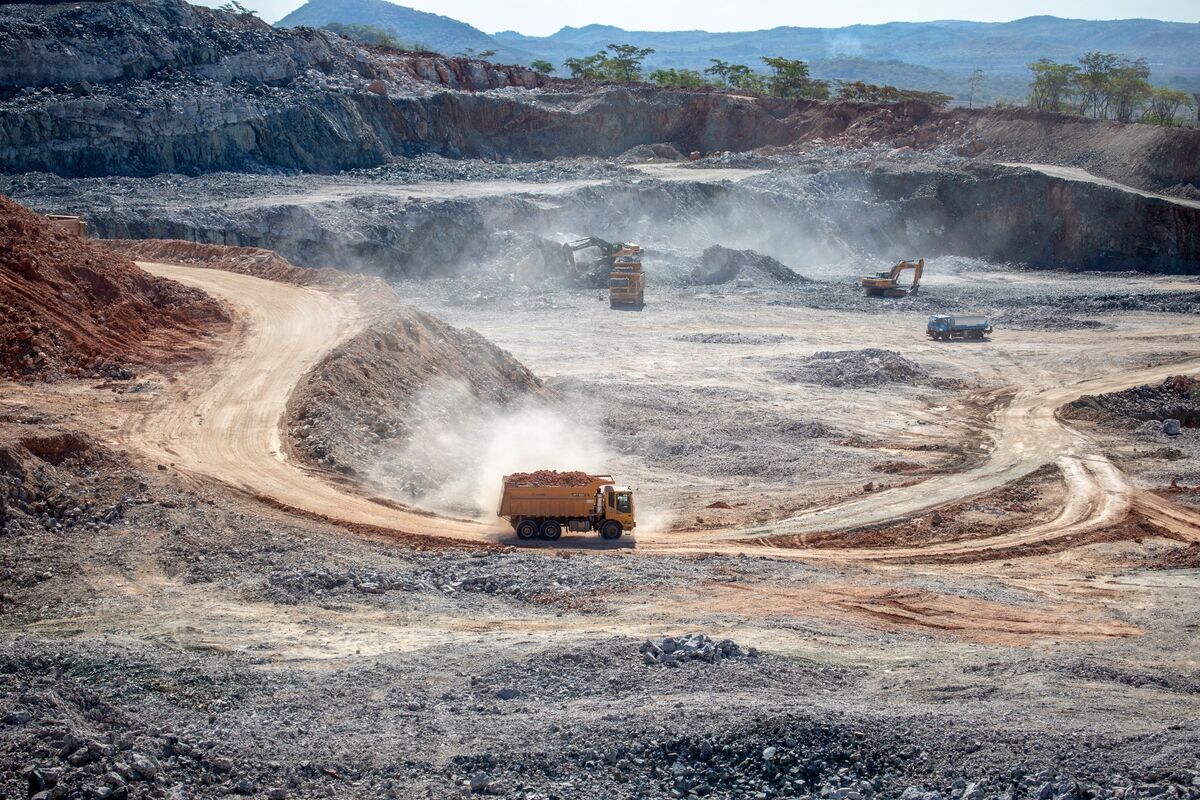
Zimbabwe is implementing new policies to combat illicit commodities trading and mandate downstream mineral processing, aiming to secure a greater share of its natural resource wealth. Vice President Constantino Chiwenga stated the country is shifting from raw extraction to fostering industrialization and job creation, while actively addressing corruption within the mining sector. This strategic pivot signals a significant change in the operating environment for mining companies, prioritizing local value addition and potentially impacting investment dynamics in the region.
Zimbabwe Pushes Mineral Processing as It Takes Aim at Corruption Zimbabwe pledged to crack down on illicit commodities trading and introduce rules to encourage downstream processing, as the nation seeks a greater share of the benefits from its natural resources. Vice President Constantino Chiwenga told mining executives in the country’s second-biggest city, Bulawayo, that Zimbabwe remains “open for business, not for extraction.” He said corruption and illicit “leakages” were “cancers,” and that mining must drive industrialization and create jobs. Zimbabwe is implementing significant policy shifts aimed at maximizing its natural resource benefits through mandated downstream mineral processing and a renewed crackdown on illicit commodities trading. Vice President Constantino Chiwenga emphasized the nation is "open for business, not for extraction," highlighting a strategic pivot towards fostering industrialization and local job creation. This initiative directly targets corruption and "leakages" within the mining sector, which the government views as detrimental. This regulatory evolution carries a "mildly positive" sentiment and an "optimistic" tone, suggesting a constructive long-term outlook for the country's resource management, with a market impact score of 0.45. The focus on local value addition will fundamentally alter operating models for mining companies, shifting from pure extraction to integrated processing. Companies failing to adapt to these new processing requirements and anti-corruption efforts could face heightened scrutiny. For institutional investors, this represents a material change in the investment landscape for commodities and raw materials in an emerging market context. The government's push for improved management and governance, alongside fiscal policy adjustments, signals a commitment to deriving greater economic value from its mineral wealth. Understanding these regulatory changes is critical for assessing future operational viability and potential returns in the Zimbabwean mining sector.
AI-powered research, real-time alerts, and portfolio analytics for institutional investors.
Request DemoOverall Sentiment
mildly positive
Sentiment Score
0.30
