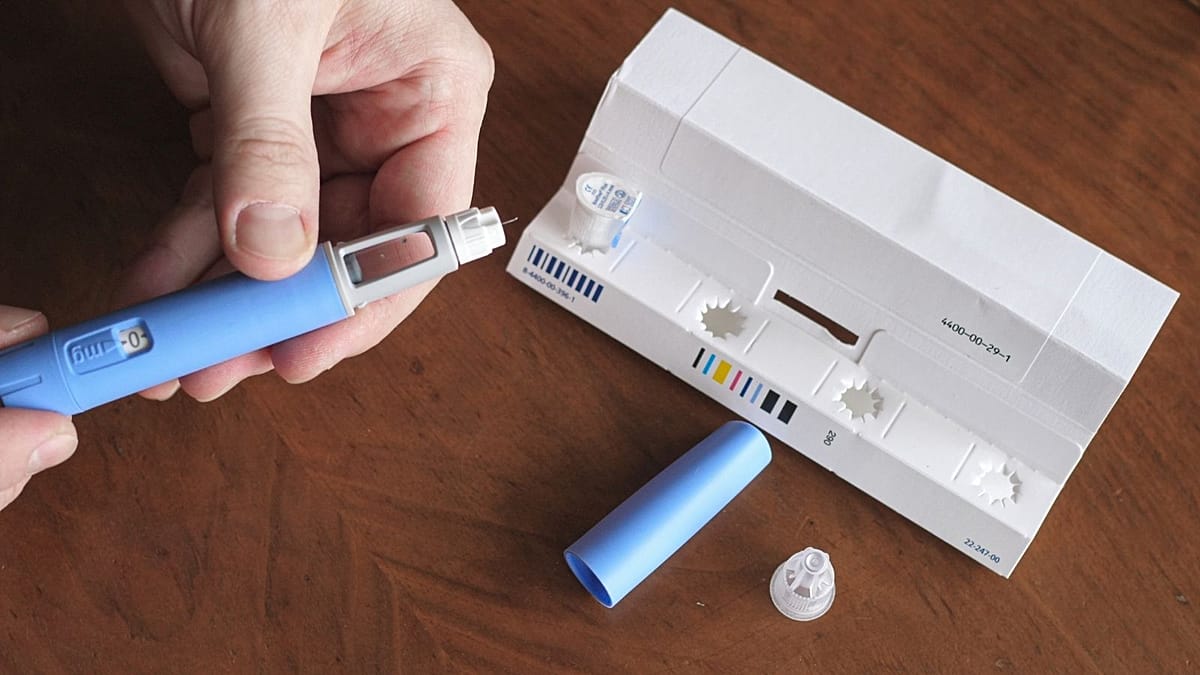
Semaglutide use was associated with a 42% lower risk of worsening mental illness (liraglutide 18%), with depression risk 44% lower and anxiety 38% lower; substance-use–related hospital care and leaves were 47% lower. The study analyzed >95,000 people (mean age 50.6) with depression or anxiety on antidiabetic medications from 2009–2022. Results are observational—authors warn no causality can be inferred and recommend randomized clinical trials to confirm effects.
If peptide-based metabolic agents begin to be seen as materially improving psychiatric outcomes in controlled trials, the profit pool shifts from pure obesity/diabetes pricing to a multi-indication premium that payers prize. That would push manufacturers to prioritize supply security (API synthesis, sterile injectables) and create a near-term bottleneck where contract manufacturers and specialty CDMOs capture disproportionate margin expansion. Expect a two-tier adoption curve: prescribers and integrated care systems that can demonstrate total-cost-of-care savings will accelerate uptake within 12–24 months, while broad primary-care adoption will lag pending guideline and reimbursement clarity.
A regulatory and payer axis will determine whether observed clinical signals translate into durable revenue. Outcomes-based contracting (indication-linked rebates) and narrower indication labeling could compress realized pricing even as list prices remain high; conversely, formal psychiatric indication approvals would unlock larger formularies and commercial channels (behavioral health clinics, inpatient systems). Manufacturing scale-up timelines (6–18 months for peptide capacity expansion, 12–36 months for biologics fill/finish ramps) create a window where CDMOs/CROs can reprice services and enjoy excess utilization.
Catalyst sequencing matters: randomized controlled trial readouts and payer policy statements will move equities far more than observational headlines. Tail risks include class-wide safety signals or null RCTs that could quickly re-rate incumbents and CDMOs; alternatively, a positive RCT plus early payer pilots would compress time-to-revenue to under 18 months for well-capitalized players. Strategically, this is a capital-allocation story as much as a clinical one — winners will be those that control manufacturing, data demonstrating total-cost impact, and payer contracting sophistication.
AI-powered research, real-time alerts, and portfolio analytics for institutional investors.
Request DemoOverall Sentiment
mildly positive
Sentiment Score
0.30
