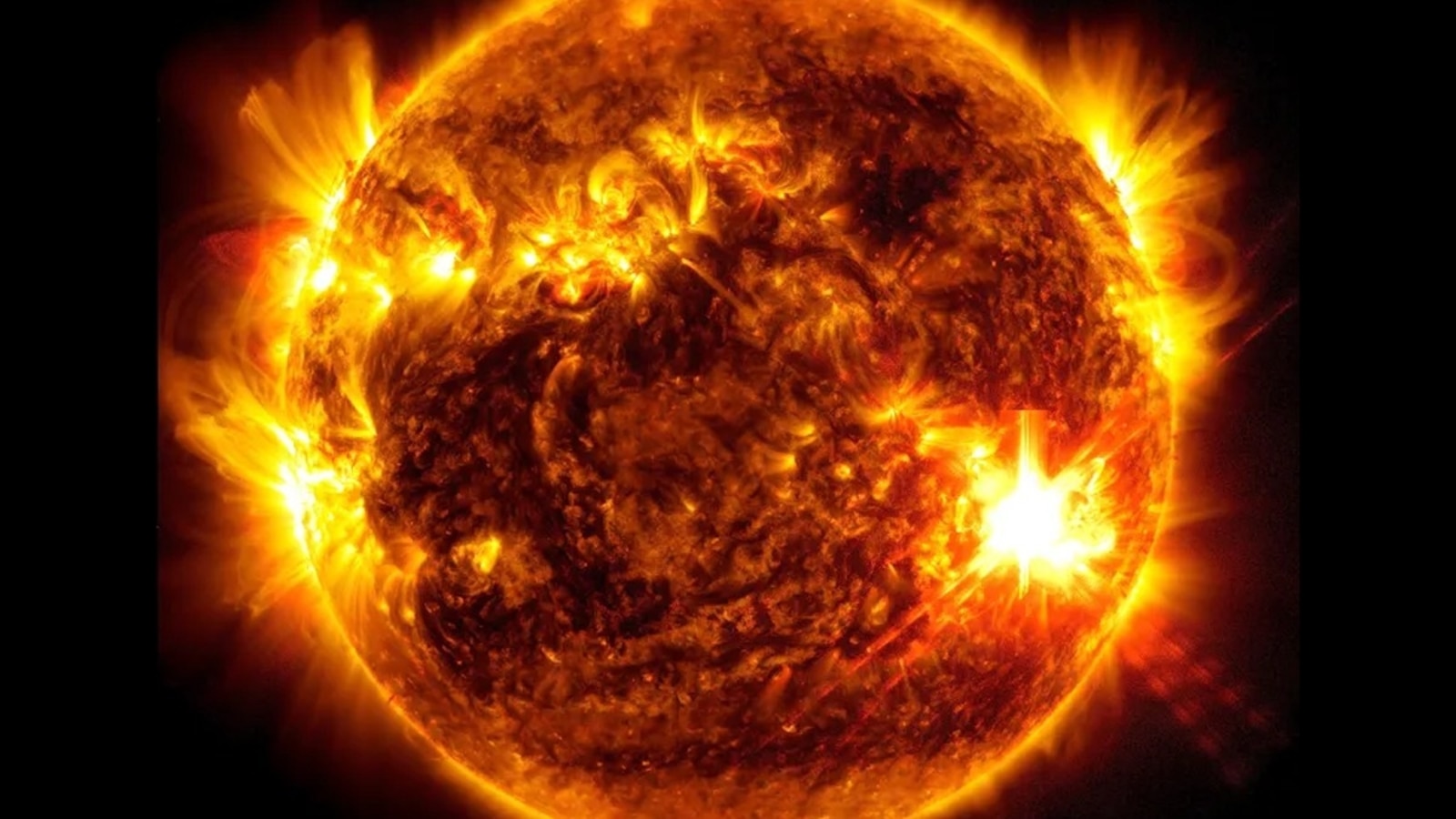
NOAA is forecasting three coronal mass ejections to arrive on Thursday, with G3 "strong" geomagnetic storms expected into Friday and a chance of G4 "severe" conditions. The event could push auroras farther south than usual, but it may also cause minor to widespread disruptions to power systems, satellite navigation, low-frequency radio navigation, and spacecraft tracking. The article is informational rather than market-specific, though it has some relevance for power, satellite, and communications infrastructure.
This is a short-duration volatility event, not a macro regime shift. The first-order market impact is likely on infrastructure operators with exposure to navigation, timing, and remote monitoring systems, but the more interesting second-order effect is on market microstructure: if GPS degradation hits even modestly, it can widen spreads and slow execution in sectors that rely on precise timing, including telecom, logistics, and energy. Any operational pain should peak in a 12-24 hour window around arrival and decay quickly unless NOAA’s higher-end scenario materializes.
The asymmetric risk sits with defense and space-weather-adjacent resilience names rather than broad utilities. If the storm trends toward the severe end, satellite operators, LEO constellation infrastructure, and high-precision navigation users may see temporary service interruptions that can create headline risk, but those events usually do not translate into durable earnings damage unless they coincide with an actual asset anomaly. That makes the opportunity more tactical in option vol than in outright directional equity positions.
The contrarian view is that the market tends to overestimate aurora visibility and underestimate how little P&L impact a G3 event usually has. The real tradeable edge is not the storm itself but the probability-weighted tail: a higher-than-normal chance of short-lived satellite or grid operational alerts could lift near-term implied volatility in names with space, aviation, or critical infrastructure exposure. If the event stays below G4, any dislocation should fade within one session and may create a good fade in names that gap on fear without a corresponding service incident.
AI-powered research, real-time alerts, and portfolio analytics for institutional investors.
Request DemoOverall Sentiment
neutral
Sentiment Score
0.00
