
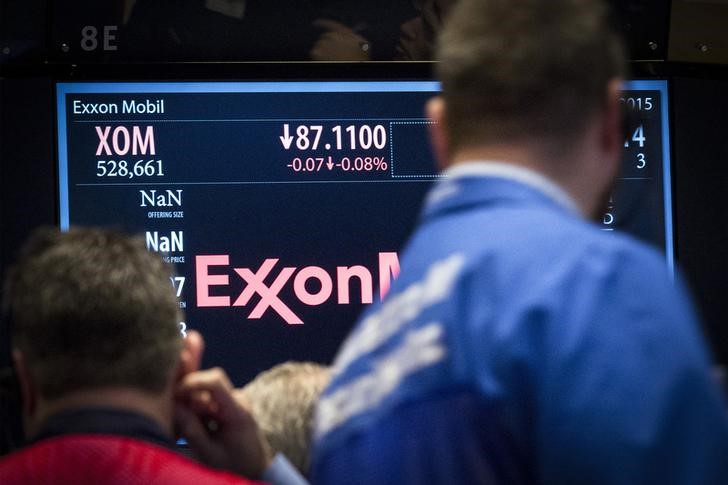
Dow is raising North American polyethylene resin prices by 30 cents per pound in April and another 20 cents per pound in May, while Exxon and Nova Chemicals have also lifted April prices by 30 cents per pound. The increases reflect supply disruptions from the Middle East conflict and the Strait of Hormuz blockade, which has pushed polyethylene prices to more than double pre-war levels. INX International Ink will also raise solvent ink prices 13% and solvent coating prices 10% from May 1 due to higher material, energy and transportation costs.
This is a margin-transfer event more than a pure commodity spike: upstream petrochemical players are trying to pass through higher feedstock and freight costs, but the real pain sits one layer downstream where packaging, coatings, industrial inks, and consumer-goods converters have less pricing power and slower contract repricing. That creates a temporary spread opportunity in favor of integrated energy and feedstock-linked producers versus chemical formulators and packaging-adjacent industrials, especially over the next 1-2 quarters while inventories roll and old contracts reset.
The bigger second-order effect is likely volume destruction, not just higher unit pricing. Polyethylene and solvent-based inputs are ubiquitous in disposable packaging, films, and printed materials, so a sustained input shock tends to trigger downgrade-to-alternative-materials, inventory de-stocking, and delayed orders from CPG customers within 30-90 days. If spot costs remain elevated into the next earnings season, the market will start pricing earnings misses from customers exposed to packaging and transportation rather than just the direct beneficiaries.
The key catalyst risk is policy: any credible de-escalation or corridor reopening would compress the spike quickly because these spreads are fear-driven and inventory-sensitive. That makes the move attractive tactically but dangerous to chase outright; the better setup is to own names with operating leverage to higher hydrocarbon values while fading businesses that cannot fully pass through costs. The contrarian view is that this may not be a long-duration pricing regime — if logistics normalize, the current surge can mean revert faster than consensus expects, leaving late buyers of upstream beneficiaries with poor entry points.
AI-powered research, real-time alerts, and portfolio analytics for institutional investors.
Request TrialOverall Sentiment
moderately negative
Sentiment Score
-0.45
Ticker Sentiment
