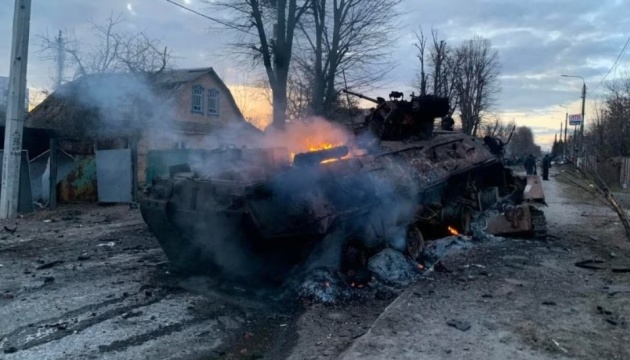
The General Staff of the Ukrainian Armed Forces reported the Russian military lost approximately 1,400 personnel and 17 artillery systems over the past day, while cumulative losses since the start of the full-scale invasion include 11,521 tanks (+6), 23,874 armored fighting vehicles (+9), 35,874 artillery systems (+17), 1,596 multiple rocket launchers (+1), 102,074 tactical UAVs (+225), 73,336 vehicles and fuel trucks (+112) and thousands of aircraft, helicopters and missiles. The update—alongside 255 combat clashes reported along the frontline as of 22:00 on Jan. 7—signals continued high operational tempo and attrition, relevant for defense exposure and regional risk premia but is routine battlefield reporting rather than a discrete market-moving event.
Market structure: Sustained high attrition in Ukraine structurally benefits large defense primes with manufacturing scale and backlog (LMT, RTX, GD, NOC) as governments accelerate procurement; contractors of precision munitions, sensors and industrial inputs (specialty chemicals, motors, ASICs) will see pricing power for 6–36 months. Losers are conflict-exposed transport/leisure (airlines, cruise), commodity exporters/importers disrupted by Black Sea logistics (wheat, edible oils), and insurers/shippers facing higher premiums. Cross-asset: expect immediate safe-haven bid into gold and USD, wider EUR/EM credit spreads, and higher Brent/TTF realizations — move magnitudes: oil +10–30% and gas +20–60% are plausible in weeks under infrastructure strikes.
Risk assessment: Tail risks include NATO kinetic involvement, crippling strikes on energy infrastructure, or expanded secondary sanctions — any of which could spike oil/gas >50% and equity volatility (VIX) by 10–25 points in days. Time horizons separate: days = volatility and FX swings; weeks = commodity and defense order flows; 6–36 months = sustained defense capex and reconstruction demand. Hidden dependencies: munitions rely on constrained semiconductor and specialty-chemical supplies that could bottleneck output and inflate lead times by 20–40%. Catalysts to watch in next 30–90 days: US/EU aid votes, new sanctions, and winter energy demand metrics.
Trade implications: Direct plays — favor 3–12 month overweight to LMT/RTX/GD (scale/backlog) and 1–2% portfolio allocation to GLD as convex hedge; use 3–6 month call spreads on defense names (10–15% OTM) to limit capex. Commodity tactics — buy 1-month Brent straddles to capture >15% moves; prefer physical/derivative exposure to European gas (TTF) for tactical trades if available. Pair trades — long LMT (or RTX) vs short JETS (airline ETF) for 3–6 months; entry now, take profits if defense names rally >20% or commodities spike >30%.
Contrarian angles: The market’s reflex to buy every defense-related small cap is overdone—expect 15–25% downside if a ceasefire or major diplomacy occurs; favor primes with >3 years order visibility (LMT, RTX) and avoid mid-cap suppliers lacking diversified supply chains. Historical parallel: post-2014 defense cycle produced 25–60% multi-year gains but after 6–12 months of forward-order digestion smaller names lagged materially. Unintended consequences: supply-chain-driven inflation may keep real yields depressed, favoring TIPS and commodities over long-duration growth names.
AI-powered research, real-time alerts, and portfolio analytics for institutional investors.
Request DemoOverall Sentiment
moderately negative
Sentiment Score
-0.45
