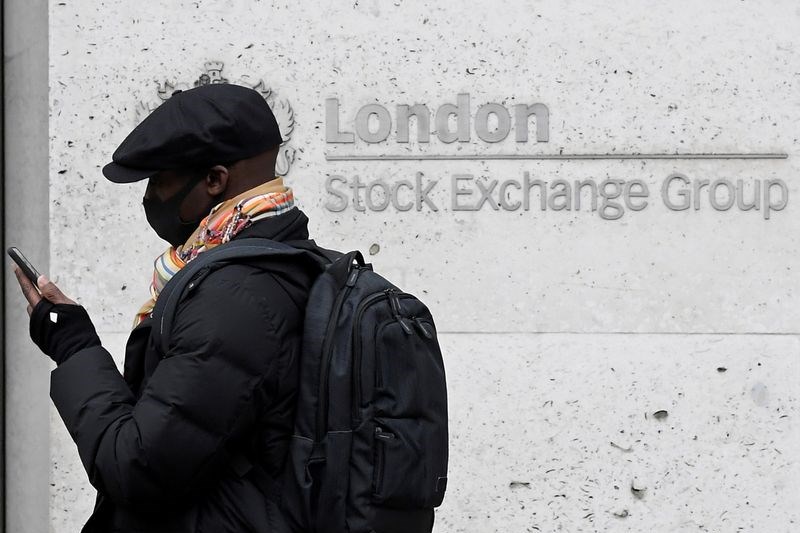
US-Iran talks made 'encouraging progress,' with negotiators entering a second day in Switzerland and oil easing as WTI fell 0.70% to $75.32 and Brent dropped 1.64% to $78.72. UK markets were little changed after Prime Minister Keir Starmer resigned, with the FTSE 100 down 0.03% and sterling off 0.25% to 1.3201. Investors are focused on the geopolitical implications for energy prices and risk sentiment, while monitoring UK leadership succession and gilt/sterling volatility.
The immediate market read-through is that geopolitics is now the dominant macro input, but the key second-order effect is not just lower crude—it is lower volatility across the entire European risk stack. If Hormuz traffic is credibly protected, the bid-ask on forward energy prices should compress, which supports airlines, industrials, and UK rate-sensitive assets that have been trading with an implicit oil-risk discount. That matters more than the leadership transition in Westminster in the next few sessions because it directly affects input-cost expectations, inflation breakevens, and the path for real yields.
The UK political overhang is more relevant through gilts than equities. A new chancellor seen as fiscally loose would steepen the curve even if the front end stays anchored by growth concerns, creating a classic bear-steepening risk for long duration assets. The market’s current calm suggests investors are underpricing how quickly a leadership contest can morph into a budget credibility test, especially if policy teams signal greater spending before any offsetting revenue plan is visible.
The most interesting asymmetry is that the current risk-on tape may be fragile if the diplomacy narrative stalls after positions have been re-risked. Energy is the obvious tail-risk hedge, but the better expression may be a relative-value basket: short UK duration and sterling versus long European cyclicals that benefit from lower imported energy costs. Gold holding up while equities are flat is also a tell that some players are still paying for geopolitical insurance, implying the market has not fully de-risked the failure case.
Consensus looks too confident that an extension of talks is enough to sustain the move. In reality, the first-order price response to an agreement can be smaller than the second-order regime shift: lower implied inflation, less pressure on central banks, and a higher multiple for duration assets. If the truce holds for several weeks, the bigger winners are likely to be airlines, transport, and UK domestic small caps; if it breaks, the fastest pain will be in the most crowded short-vol and cyclically levered risk positions.
AI-powered research, real-time alerts, and portfolio analytics for institutional investors.
Request DemoOverall Sentiment
neutral
Sentiment Score
0.08
