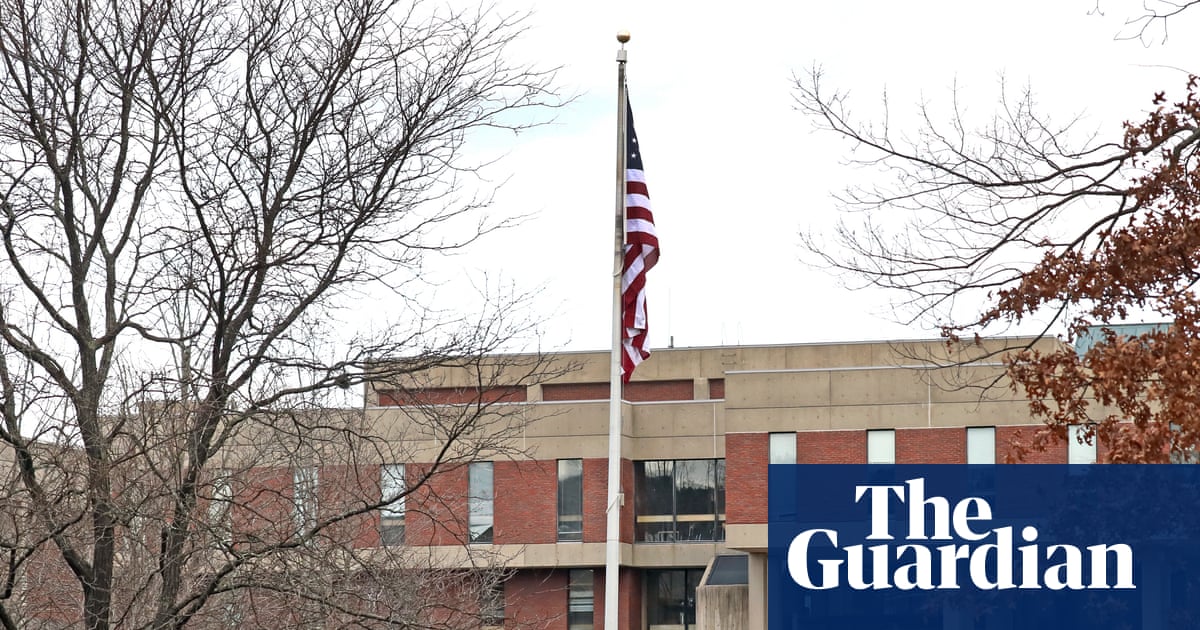
Hampshire College will permanently close after the fall semester due to low enrollment and financial pressures, after efforts to boost enrollment, refinance debt, and sell land fell short. Final-year students can finish degrees, while first- through third-year students may transfer to partner schools; accepted students will receive deposit refunds. The news signals severe stress in the liberal arts sector, but direct market impact is limited.
This is not just an idiosyncratic school failure; it is a stress test for the weakest segment of the higher-ed capital stack. Small, tuition-dependent institutions with thin endowments face a classic negative operating leverage trap: once enrollment slips below a critical threshold, fixed costs, debt service, and deferred maintenance overwhelm any ability to buy time with pricing or land sales. The second-order implication is that similar colleges are likely to become “melting ice cubes” over the next 12-36 months, with abrupt closures, forced mergers, and asset sales accelerating once boards conclude turnaround math no longer works.
For competitors, the immediate winners are the institutions able to absorb transfer students without materially diluting prestige or housing capacity. That favors selective regional privates and public flagships with strong out-of-state demand, which can selectively grow enrollment at very low marginal acquisition cost. The losers are not just nearby colleges; the broader ecosystem of small-service vendors, local housing, and town-dependent employment around these campuses also loses a recurring revenue base, which can pressure municipal budgets and local real estate values over time.
The key catalyst to watch is whether this closure becomes a template for other schools with similar balance sheets: one announced shutdown can pull forward deposit cancellations at peers and worsen the enrollment spiral for the next admissions cycle. The reversal condition is also clear: a meaningful rebound in first-year deposits or a refinancing window only works if paired with a credible cost reset, not just balance-sheet extensions. Without that, these institutions are essentially trading solvency for time, and time is no longer a free asset.
Contrarian take: the market may be underestimating how quickly enrollment gravity shifts toward a small set of survivors. That creates an opportunity in the strongest regional education franchises, because each closure is effectively a demand shock that reallocates students, faculty, and donor attention upward. The deepest risk is to assume closures are isolated; in reality, they tend to cluster once confidence in the sector breaks.
AI-powered research, real-time alerts, and portfolio analytics for institutional investors.
Request TrialOverall Sentiment
strongly negative
Sentiment Score
-0.78
